Trump's Bold Move
Trump's declaration escalates Middle East tensions and uncertainty.
Model Diplomat3 min readMiddle East
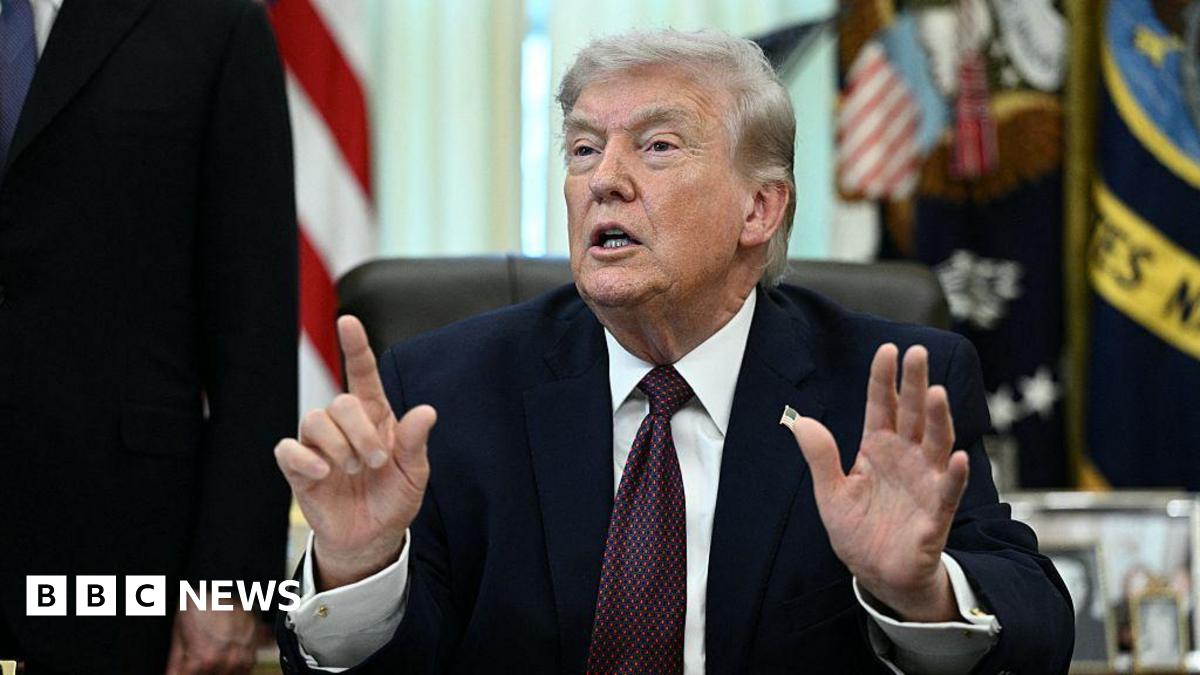
Trump Signals US Exit from Iran ‘With or Without a Deal’ as Middle East Tensions Surge
President Trump’s declaration that the US will leave Iran “whether we have a deal or not” escalates uncertainty around an already volatile region, signaling a hardening stance that could reshape Middle East diplomacy.
President Donald Trump has announced emphatically that the United States will withdraw from Iran “whether we have a deal or not,” according to live coverage from the BBC. This statement, made ahead of a planned primetime White House address focused on Iran, marks a significant hardening of the US position amid rising tensions in the broader Middle East BBC Live.
Why This Matters: A Shift from Diplomacy to Confrontation
This announcement comes at a time when diplomatic efforts to contain Iran’s nuclear ambitions and regional influence remain fragile. Trump’s phrasing leaves open the possibility that the US may abandon ongoing negotiations or existing deals—most notably the 2015 Joint Comprehensive Plan of Action (JCPOA), from which the US formally withdrew in 2018 but which still shapes the framework of international talks.
The move signals that the administration is prepared to escalate pressure regardless of diplomatic progress, rejecting incremental agreements in favor of a more decisive policy pivot. This is significant because:
- It undermines confidence among US allies in Europe and elsewhere who remain committed to the JCPOA framework, potentially fracturing the Western coalition on Iran.
- It raises the risks of a destabilizing vacuum that could embolden hardliners within Iran, who oppose engagement with the West, as well as proxy groups in Iraq, Syria, Lebanon, and Yemen.
- It suggests the US may accelerate or intensify covert operations, sanctions, or even military posturing, which could prompt retaliatory escalation from Iran or its networks.
Historically, abrupt US policy exits in the region without broad international consensus have triggered crises—the 2013 US withdrawal from Syria’s peace talks and the 2018 JCPOA exit being illustrative examples. The new declaration reflects a similar willingness to prioritize unilateral action over multilateral diplomacy Global Politics.
What to Watch Next: Regional Fallout and Domestic Maneuvering
The immediate concerns are twofold: how Iran will react and how this development will reshape US politics.
From Iran’s perspective, a US departure without a deal could empower the country’s hardline factions, reducing incentives to negotiate and increasing support for their regional proxy battles. There is a real risk of escalation in hotspots like the Strait of Hormuz—a vital oil chokepoint—and in Iraq, where US forces remain deployed.
Regionally, countries like Israel and Saudi Arabia, which have pushed for a tough approach toward Iran, may welcome Trump’s stance, expecting more robust US support. Conversely, European and Gulf states favoring diplomatic solutions could find themselves sidelined or face a dilemma over engaging with a less predictable US partner.
Domestically, the timing of a primetime presidential address signals that Trump aims to rally public opinion ahead of the 2026 midterms by projecting strength on foreign policy—a classic political move. However, pushing an aggressive Iran policy risks inflaming opposition both within Congress and from factions critical of another prolonged Middle East conflict United States.
Bottom Line
Trump's declaration that the US will leave Iran “with or without a deal” escalates geopolitical uncertainties. It risks undermining diplomatic frameworks, divides allies, and raises the chances of regional proxy conflicts intensifying. Watch closely how Iran, US partners, and domestic political actors respond over the coming weeks—a potential flashpoint looms in one of the world’s most volatile regions.
For further context on these dynamics and their implications, see our coverage on Global Politics and
United States diplomatic strategies.
Discover more

Global Politics
Trump Pressures Pope Leo on Iran Threat
Trump pressed Pope Leo to recognize Iran as a global threat, exposing a widening ideological divide that is complicating diplomacy across the Middle East.

Global Politics
Israel-Lebanon Talks and Trump's Iran Shift
Israel and Lebanon open direct talks while Trump hints at Iran negotiations in Pakistan, reshaping Middle East diplomacy and regional power dynamics in flux.

US Politics
Democrats Aim to Curb Trump's Iran War Powers
US Democrats introduce measures to curb Trump's war powers on Iran, demanding congressional approval for military action in a critical test of oversight.

Economics
Fed's Amex AML order puts correspondent banking on notice
Federal Reserve's Amex AML order requires board-level controls and a 90-day plan; OCC fined the bank $350 million over enterprise-wide deficiencies.