US-Brokered Ceasefire in Lebanon
Lebanon sees cautious return home as ceasefire holds
Model Diplomat3 min readMiddle East
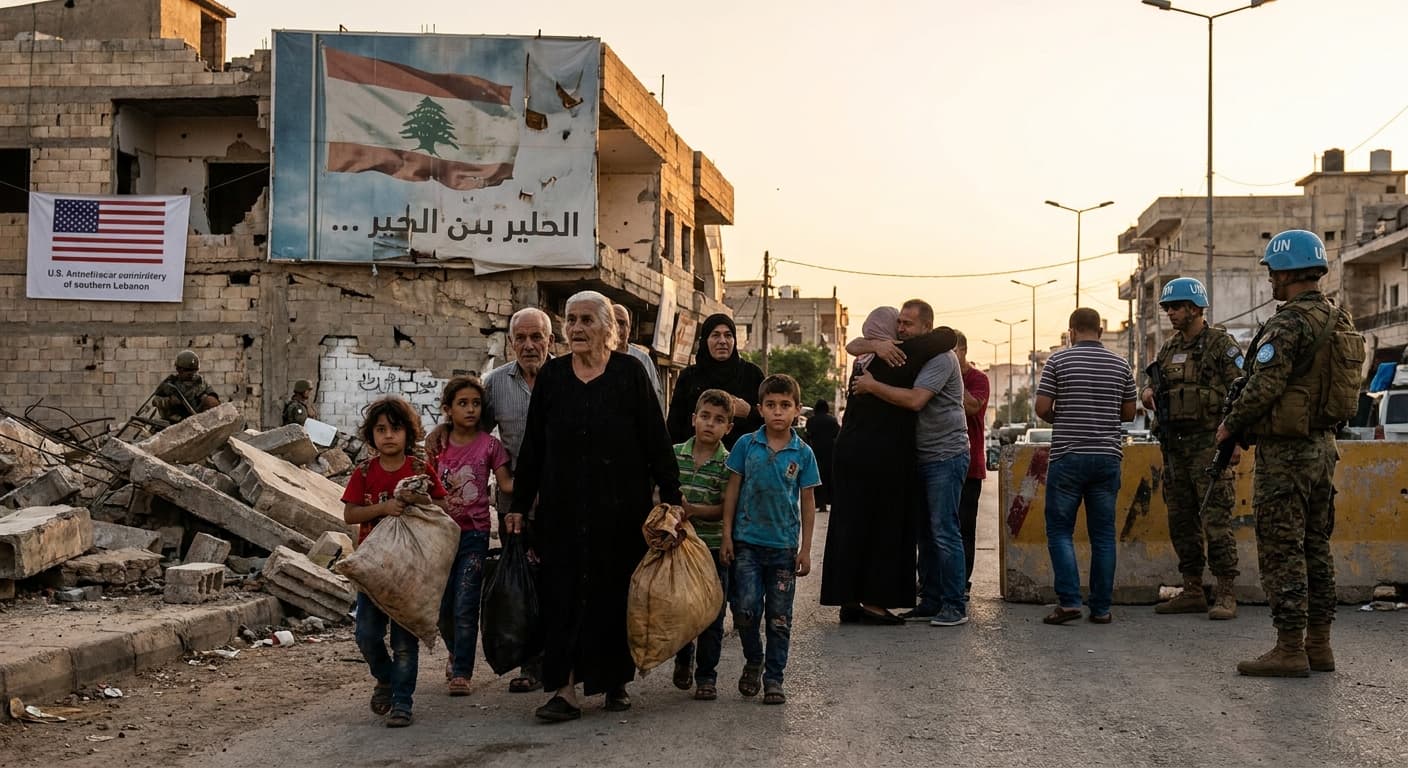
Thousands Head Home as US-Brokered Truce Holds in Lebanon
Lebanon sees cautious return amid a fragile 10-day US-mediated ceasefire between Israel and Hezbollah, highlighting both relief and deeper regional fault lines.
A tentative calm is settling in Lebanon after a US-brokered 10-day ceasefire between Israel and Hezbollah began to hold, prompting thousands of displaced Lebanese families to start returning home. This fragile lull, declared late April 16, follows a period of intense rocket fire and Israeli airstrikes around the border region that caused widespread disruption and displacement. Though the ceasefire seems to be holding overnight, Lebanese residents and officials remain on edge, aware the truce’s durability is far from guaranteed as underlying tensions simmer AP News.
Why This Matters: Beyond the Short-Term Calm
Lebanon has long been a flashpoint in the Israel-Hezbollah conflict, itself a core tension in Middle East politics. Hezbollah, a powerful Shia militia and political actor backed by Iran, has fought three wars with Israel since the 1980s, most notably the devastating 2006 conflict that reshaped regional security contours. The April 2026 flare-up threatened to reignite broader hostilities with Hezbollah firing dozens of rockets into northern Israel and Israel responding with air raids targeting Hezbollah positions across southern Lebanon.
The US played a critical, though rare, mediating role in pushing this ceasefire forward. Historically, America has supported Israel robustly but avoided direct mediation with Hezbollah, designated a terrorist organization by Washington. That Washington brokered this deal indicates mounting US concerns over Hezbollah's expanding missile arsenal and Iran’s growing regional influence at a moment when the Biden administration is juggling multiple Middle East priorities including Iran nuclear diplomacy and stabilizing Iraq and Syria.
For Lebanon, the ceasefire pause comes amid a dire political and economic crisis. Lebanon’s government has been mired in dysfunction, inflation, and power outages, and the last month’s fighting displaced thousands, exacerbating humanitarian woes. Returning families symbolize more than just physical safety—they represent fragile hope for political actors seeking to prevent the conflict from triggering another wider war that could unravel Lebanon further.
What to Watch Next
The ceasefire’s immediate test lies in its ability to hold beyond the initial 10-day window. Past ceasefires between Israel and Hezbollah have often broken down, either through accidental skirmishes or broader escalations involving regional powers like Iran or Syria. The US engagement might help provide some diplomatic pressure to maintain calm, but it faces uphill challenges from factions within Lebanon and Jerusalem who see continued strategic gains in brinkmanship.
Moreover, the internal Lebanese political landscape will be crucial. Hezbollah’s leadership will weigh the domestic costs of military escalation against Iran’s regional goals. Lebanon’s caretaker government and international aid donors will also monitor whether this pause can solidify into a longer-term reduction in hostilities, allowing some stabilization of Lebanon’s fractious political situation.
Finally, this ceasefire underscores a bigger picture: the fragile nature of Middle East peace. Each flare-up in Lebanon reverberates through the region’s complex web of alliances and rivalries—from Iran and Israel to the US and Arab states. How Washington balances its support for Israel with engagement in Lebanese dynamics will be a key diplomatic needle to thread going forward.
For a deeper look into the region’s intricate politics, explore the Middle East Conflict page. To understand the US’s broader role in regional security, see the
US Politics overview.
This delicate ceasefire in Lebanon, facilitated by Washington’s rare direct involvement, signals a pause but not a solution. The next days will reveal whether this fragile calm becomes a stepping stone toward stability—or simply a prelude to the next round of violence.
Discover more
US Politics
Escalating Violence
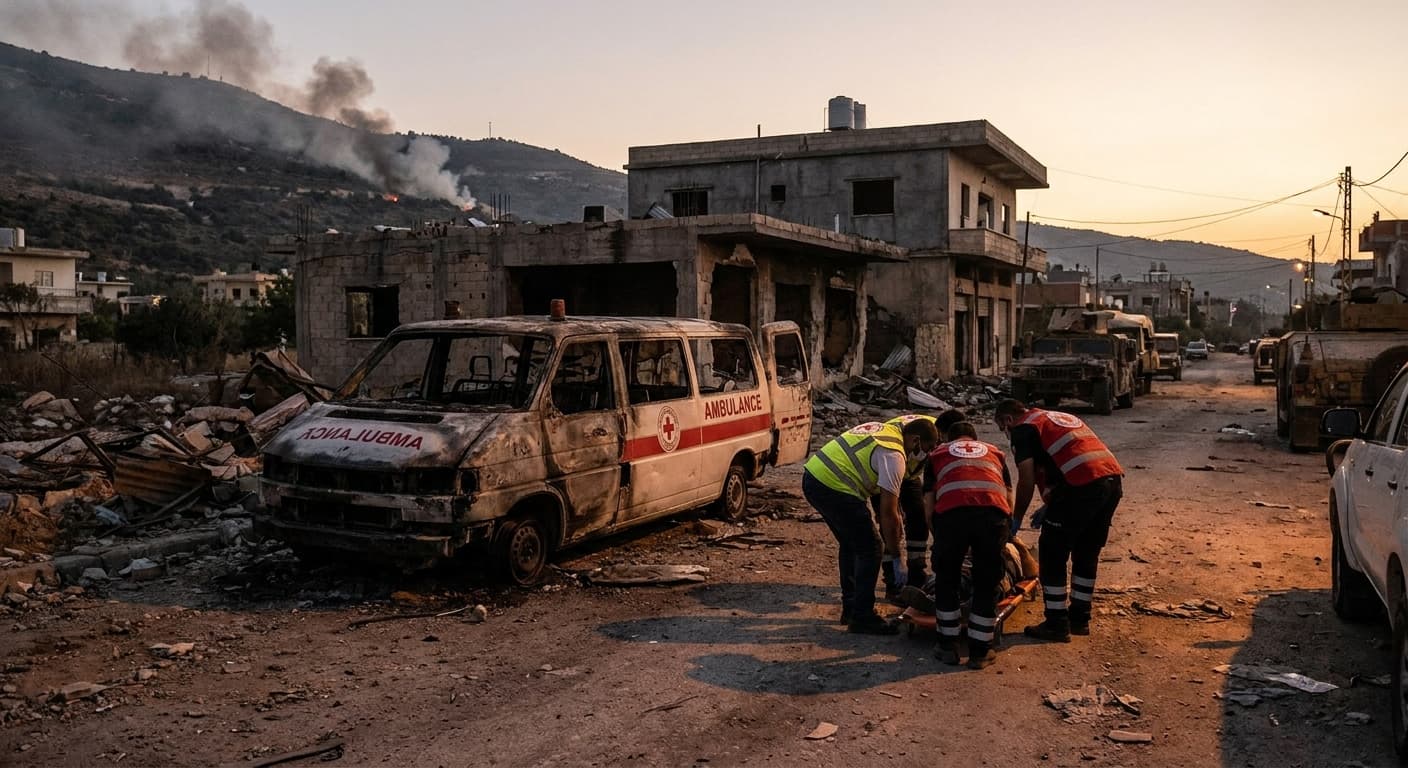
Three paramedic teams in southern Lebanon were struck by Israeli attacks, escalating violence and deepening the humanitarian crisis amid the ongoing conflict.

Global Politics
China's New Strategy for Taiwan and Japan
China softened its stance on Taiwan and Japan, eyeing the 2028 election and regional stability as Middle East turmoil reshapes its geopolitical calculations.

Global Politics
Day 47 of US-Iran Conflict
On day 47 of the US-Iran conflict, Red Cross aid reaches Iran as military strikes continue, underscoring a tangled humanitarian and geopolitical crisis.

Conflict & Security
Drone Warfare Killing Aid Workers at Unprec
Over 1,000 humanitarian workers killed in three years as cheap armed drones collapse legal protections. Gaza, Sudan, Ukraine, and DRC see deliberate targeting of aid convoys and hospitals with zero prosecutions.