Urvashi Dev Rawal
Exploring the impact of Rawal's reporting on regional politics
Model Diplomat2 min readIndia

Urvashi Dev Rawal in Focus: What Her Reporting Reveals About Regional Politics and Women’s Issues in India
Urvashi Dev Rawal’s bylines in the Hindustan Times illuminate critical flashpoints in Rajasthan and beyond, especially on politics and women’s empowerment.
Urvashi Dev Rawal isn’t just another byline at the Hindustan Times. As assistant editor for the Rajasthan edition, based in Jaipur, Rawal has become a key voice on the intersection of regional politics, development journalism, and women’s issues in one of India’s most politically vibrant states. Her reporter’s footprint also spans Delhi and Gujarat, providing a wider lens on national debates.
Deep Roots in Rajasthan’s Political and Social Landscape
Rajasthan’s political landscape is no stranger to contestation: caste dynamics, rural development challenges, and gender disparities have long shaped its electoral and policy environment. Rawal’s coverage digs into these fault lines with nuance, elevating often underreported voices, especially women affected by systemic inequities.
This focus matters in a state where women’s empowerment remains a pressing challenge despite incremental gains. Rajasthan's female literacy rate lags behind national averages, and the state consistently grapples with gender-based violence and underrepresentation in politics. By spotlighting these issues through a regional lens, Rawal’s work contributes to a broader understanding of how local politics intersect with development outcomes for women.
Reporting at the Intersection of National and Regional Trends
Though stationed in Jaipur, Rawal’s journalistic footprint has encompassed Delhi and Gujarat — two power centers with distinct political trajectories but interconnected stakes in national discourse. Her bylines reflect a deep engagement with migration, governance reforms, and the socio-economic impact of policy decisions at both state and central levels.
The breadth of her reporting enriches readers’ grasp of how state-level developments in Rajasthan echo in the national arena and vice versa. This dual perspective is increasingly vital in India’s complex federal political system, where regional outcomes can sway national narratives, particularly on sensitive topics like gender politics and development.
What to Watch Next
Rawal’s ongoing coverage offers a valuable barometer for both regional shifts and evolving narratives on women’s issues in India. Her journalism helps policymakers, civil society, and readers better understand how entrenched social challenges are navigated on the ground.
Given Rajasthan’s upcoming elections and India’s broader political recalibrations in 2026, keep an eye on Rawal’s reporting for early insights into emerging alliances, grassroots movements, and shifts in voter sentiment, especially among women. Her work is a strong reminder that the pulse of India’s democracy is often best read through the lens of its states and their unique socio-political terrain.
For anyone tracking India’s evolving political and social fabric, following Urvashi Dev Rawal is a direct line to the stories shaping the future of Rajasthan and beyond in ways that matter nationally.
Explore more on India’s political dynamics and the role of women in its democracy at
Global Politics.
Discover more
Global Politics
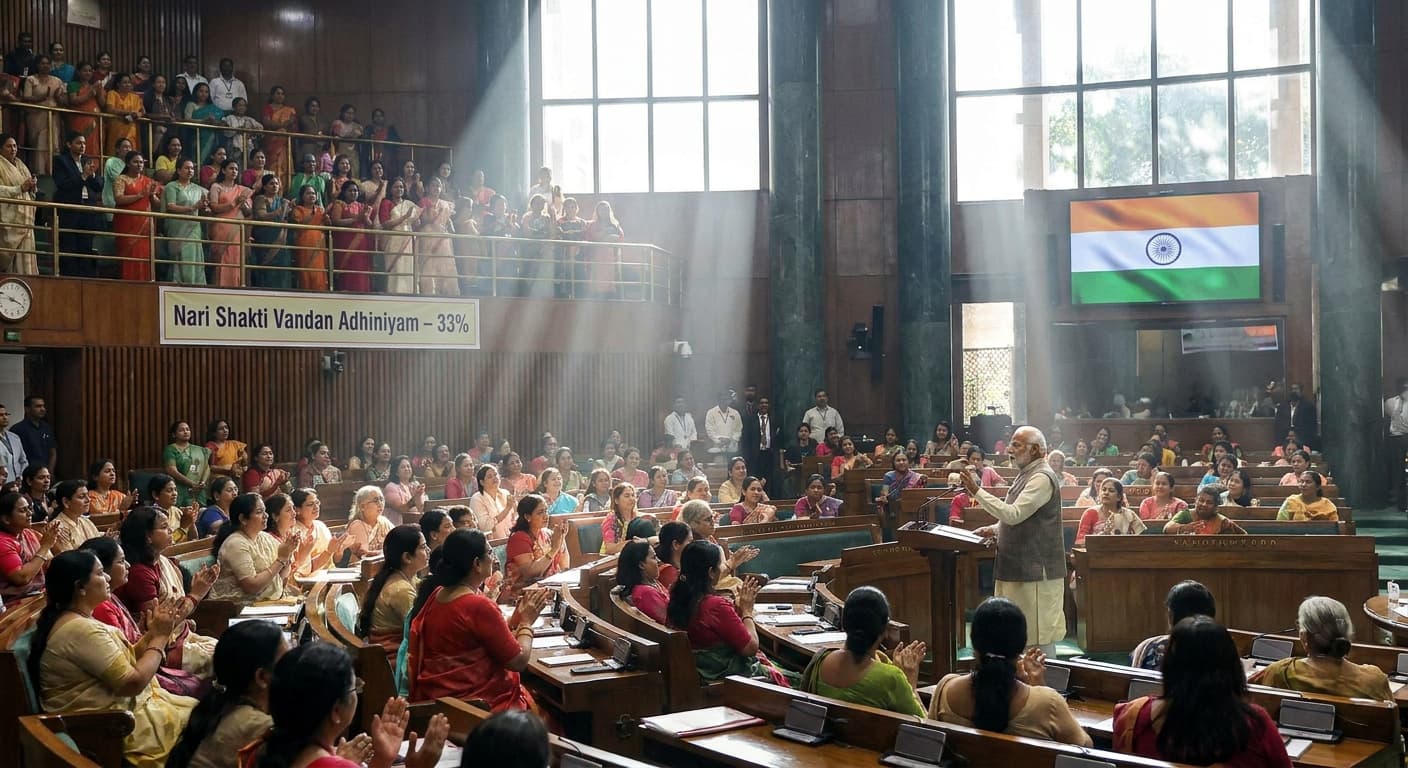
Modi's 33% Women Reservation Bill Impact
India's Women's Reservation Bill would reserve 33% of parliamentary seats for women, a reform poised to reshape political dynamics and gender representation.
India
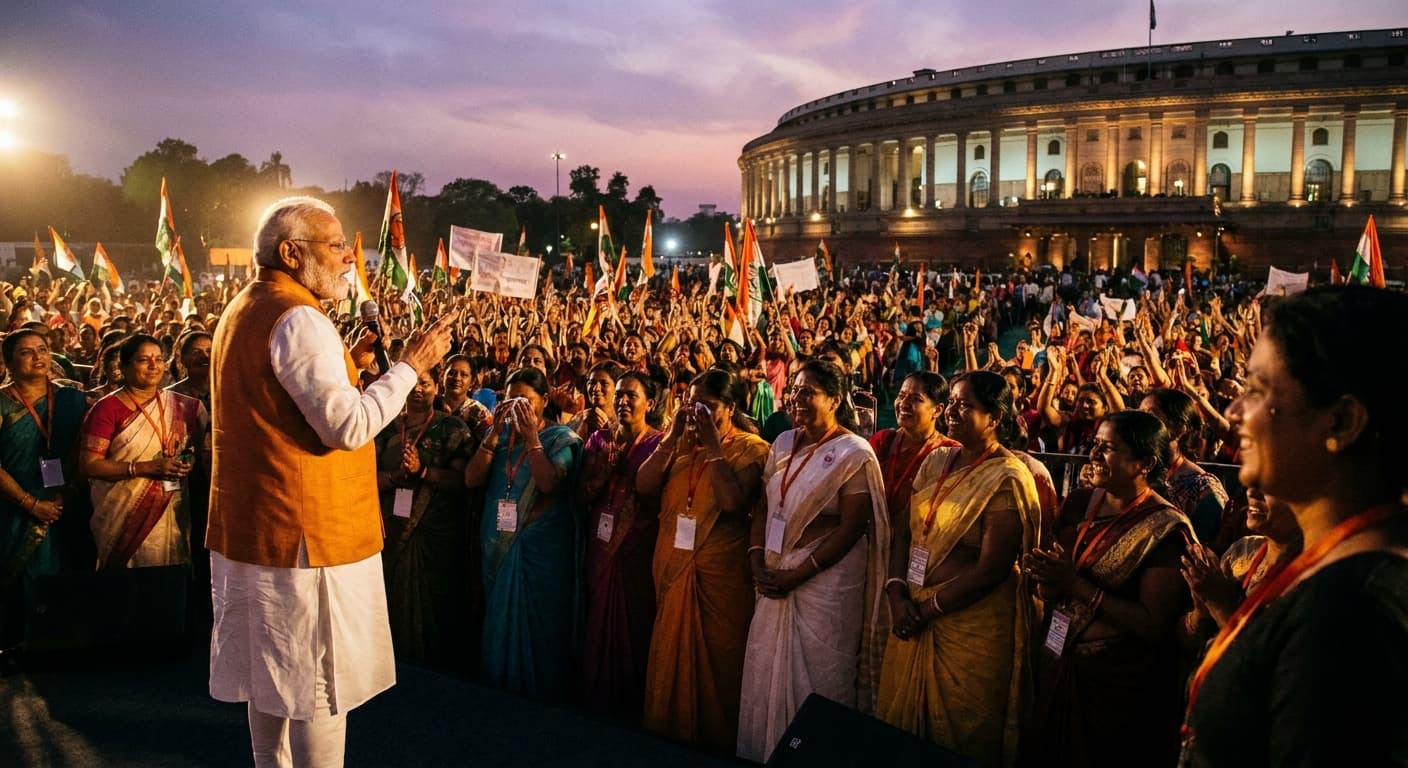
Modi's Women's Reservation Bill
PM Modi hailed the Women's Reservation Bill as a historic milestone for democracy, aiming to empower women in politics and reshape India's electoral future.

India
Modi's Women's Reservation Bill
PM Modi distanced himself from credit for the Women's Reservation Bill, a strategic move shifting responsibility to the opposition while touting inclusion.

Economics
Fed's Amex AML order puts correspondent banking on notice
Federal Reserve's Amex AML order requires board-level controls and a 90-day plan; OCC fined the bank $350 million over enterprise-wide deficiencies.