UNDP's $6B Plan to Prevent Poverty for 32M
A strategic investment to combat war-driven poverty and energy costs
Model Diplomat3 min readGlobal

UNDP’s $6 Billion Proposal to Shield 32 Million from War-Driven Poverty
UNDP chief Alexander De Croo says a targeted $6 billion investment in cash transfers or energy subsidies could prevent 32 million people from slipping into poverty amid soaring energy costs.
The war in Ukraine, entering its third year in 2026, continues to ripple across global markets, especially energy. UN Development Program (UNDP) Administrator Alexander De Croo proposed on April 15 that a $6 billion investment—focused on temporary cash transfers or energy subsidies—could stop nearly 32 million vulnerable people from falling below the poverty line as energy prices surge from the conflict’s spillover.
Why $6 Billion Matters Amid a Global Energy Shock
Energy prices have been a major driver of inflation worldwide since Russia's invasion disrupted supply chains and raised fuel and commodity costs. For low- and middle-income countries, where energy spending consumes a disproportionate share of household budgets, these price spikes translate directly into food insecurity, reduced access to services, and increased poverty.
De Croo’s call addresses this critical juncture: unlike broad economic shocks that require long-term fiscal restructuring, a targeted $6 billion intervention could act as a circuit breaker. This amount, while significant, is relatively modest compared to the trillions of dollars often cited for emergency global relief. His emphasis on time-limited cash transfers or subsidies means aiding households directly and quickly to offset sharply higher costs without distorting markets permanently.
This proposal aligns with the growing international recognition that humanitarian responses must link directly to economic stabilization to be effective. Time-limited cash transfers have proven effective in past crises—such as during the COVID-19 pandemic or in conflict-affected countries—by enabling families to meet their basic needs with dignity.
The Broader Stakes: Poverty, Energy, and Fragility
The 32 million people cited represent those at the brink, particularly in fragile contexts across Africa, the Middle East, and parts of Asia. These regions face a "double whammy" of energy price shocks and preexisting vulnerabilities from conflict, climate change, and weak social safety nets. Without intervention, energy disruptions risk rolling back years of development gains by pushing families deeper into chronic poverty and limiting access to health and education.
Furthermore, energy insecurity can escalate political instability. History shows that sudden spikes in fuel and food prices contribute to civil unrest—as seen in the 2007-08 global food crisis. In volatile regions, the risk of unrest driven by unaffordable energy only compounds the human toll and complicates peacebuilding efforts.
De Croo’s proposal could thus be viewed not only as poverty alleviation but also as a strategic peacekeeping tool: containing instability by stabilizing household economies. The challenge is securing swift, coordinated funding and ensuring allocations reach those most in need without bureaucratic delays.
What to Watch Next
The $6 billion figure signals both urgency and feasibility. Watch for how major multilateral actors respond—especially the World Bank, IMF, and G20 groupings—which have previously mobilized emergency funds during crises. Their backing could amplify and expedite deployment.
Also critical will be donor countries' willingness to commit amid competing geopolitical priorities, including ongoing tensions around Ukraine and broader global economic uncertainty. Given that much of this investment targets low-income, conflict-affected countries, measurement and verification mechanisms will matter to ensure transparency and impact.
Finally, this development shines a light on the interconnection between geopolitics, energy markets, and human welfare—a triad that will increasingly shape global governance and development policy. De Croo’s appeal underscores that timely, targeted economic aid is a frontline strategy in mitigating fallout from global conflicts.
For a deeper dive on related topics, see our Global Politics and
International Conflict sections.
Discover more

US Politics
Global Economic Challenges
Inflation, rising interest rates, and surging defense spending are straining the global economy, complicating IMF and World Bank efforts to sustain recovery.
Global Politics
Russia's Drone and Missile Assault on Ukraine
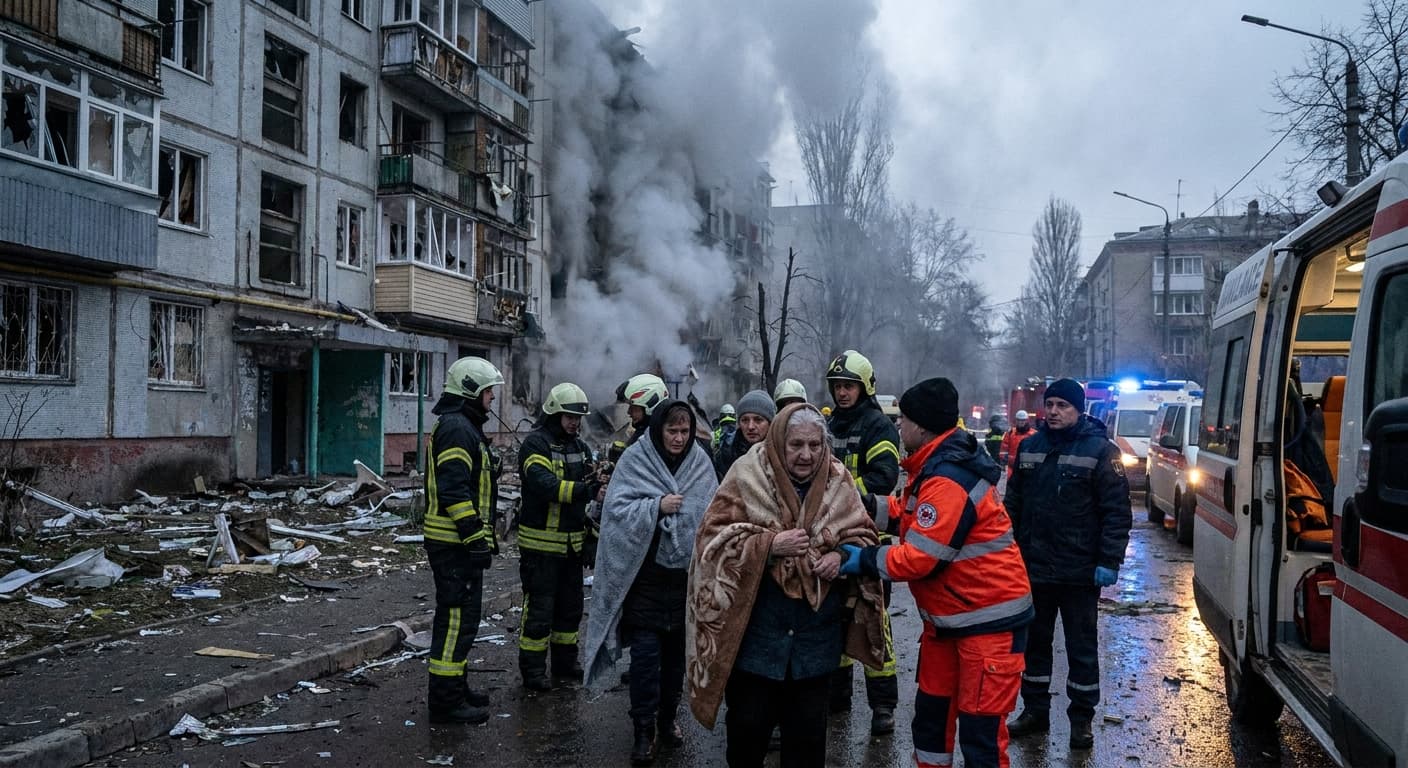
Russia's latest drone and missile strikes on Ukraine killed 16 and injured over 80, underscoring the conflict's deadly escalation and rising civilian toll.

India
India's Lok Sabha Seats Rise 50% with Women
India plans to expand Lok Sabha seats by 50% while reserving 33% for women, a sweeping overhaul set to reshape political representation across the country.

Conflict & Security
Drone Warfare Killing Aid Workers at Unprec
Over 1,000 humanitarian workers killed in three years as cheap armed drones collapse legal protections. Gaza, Sudan, Ukraine, and DRC see deliberate targeting of aid convoys and hospitals with zero prosecutions.