UN Resolution Puts Iran on Notice Over Hormuz
Gulf states leverage U.N. to address Hormuz tensions with Iran.
Model Diplomat2 min readMiddle East
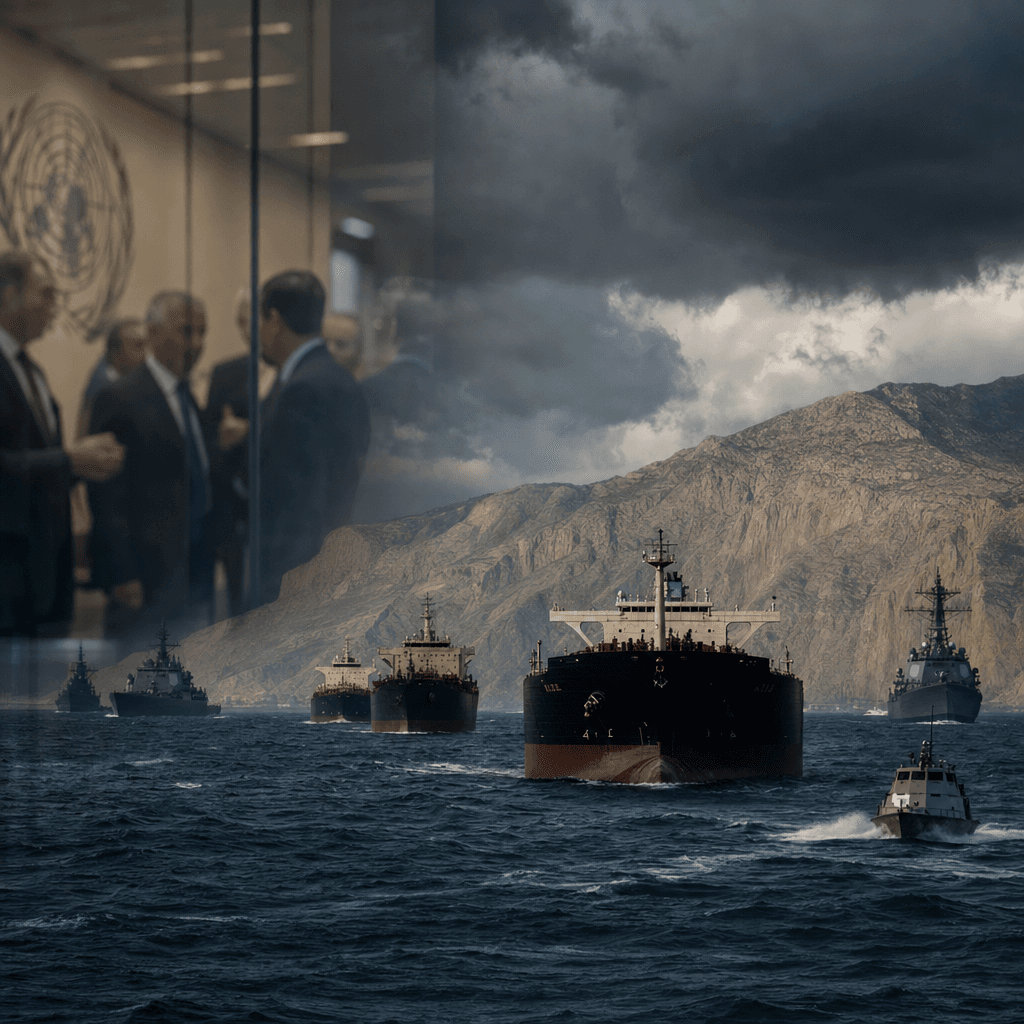
UN Resolution Puts Iran on Notice Over Hormuz
Washington and Gulf states are using the U.N. to raise the cost of closing Hormuz, but Russia and China still control whether the threat becomes real.
Iran is the actor with immediate leverage here because it can still disrupt the Strait of Hormuz, but the United States and Bahrain are trying to convert that leverage into a multilateral penalty regime before Tehran can normalize its gains. The draft resolution would threaten sanctions if Iran keeps attacking ships, laying mines, or imposing “illegal tolls,” and it would also demand cooperation on a humanitarian corridor through the waterway, according to the AP and Reuters. AP News
Reuters
Why this matters
This is not just about navigation. It is about who gets to define the post-conflict order in the Gulf. The draft is being written under Chapter VII of the U.N. Charter, which gives the Security Council a path from condemnation to sanctions and, in theory, military measures. That matters because Washington has spent recent months acting largely outside the U.N. framework; now it is trying to wrap those same pressure tactics in international legality. Reuters
AP News
The immediate beneficiaries are the Gulf states and the major energy importers in Asia. One-fifth of the world’s oil typically moves through Hormuz, so even a short-lived closure hits insurance rates, tanker traffic, and energy prices far beyond the Gulf. For Bahrain, which hosts the U.S. Fifth Fleet and sits on the Security Council, this is also a bid to show Gulf leadership on maritime security. AP News
BBC
The real veto points
The decisive hurdle is not Iran; it is Russia and China. They already vetoed an earlier, weaker resolution aimed at reopening the strait, and Reuters says they are still considering a competing text. That means the U.S.-Bahraini draft only works if Moscow and Beijing decide that a narrow maritime resolution is less costly than another public veto that looks like a defense of Iranian coercion. AP News
Reuters
There is a second layer here: even if the Council passes something, enforcement will still depend on shipowners, insurers, and regional navies. That is why Washington is pairing the resolution push with a separate “Maritime Freedom Construct” and with broader coalition planning alongside France and Britain. On Conflict, this is the core pattern: diplomacy is being used to create legal cover for coercive maritime security.
What to watch next
The next decision point is fast. Reuters says Washington wants a final draft circulated by May 8 and a vote early next week, while the U.N. secretary-general would be asked to report back on compliance within 30 days. If Moscow and Beijing soften, Iran faces a real sanctions track; if they do not, the U.S. will still have exposed the Council’s limits and likely moved more of the burden onto ad hoc naval patrols and bilateral pressure. Reuters
AP News
Discover more
Global
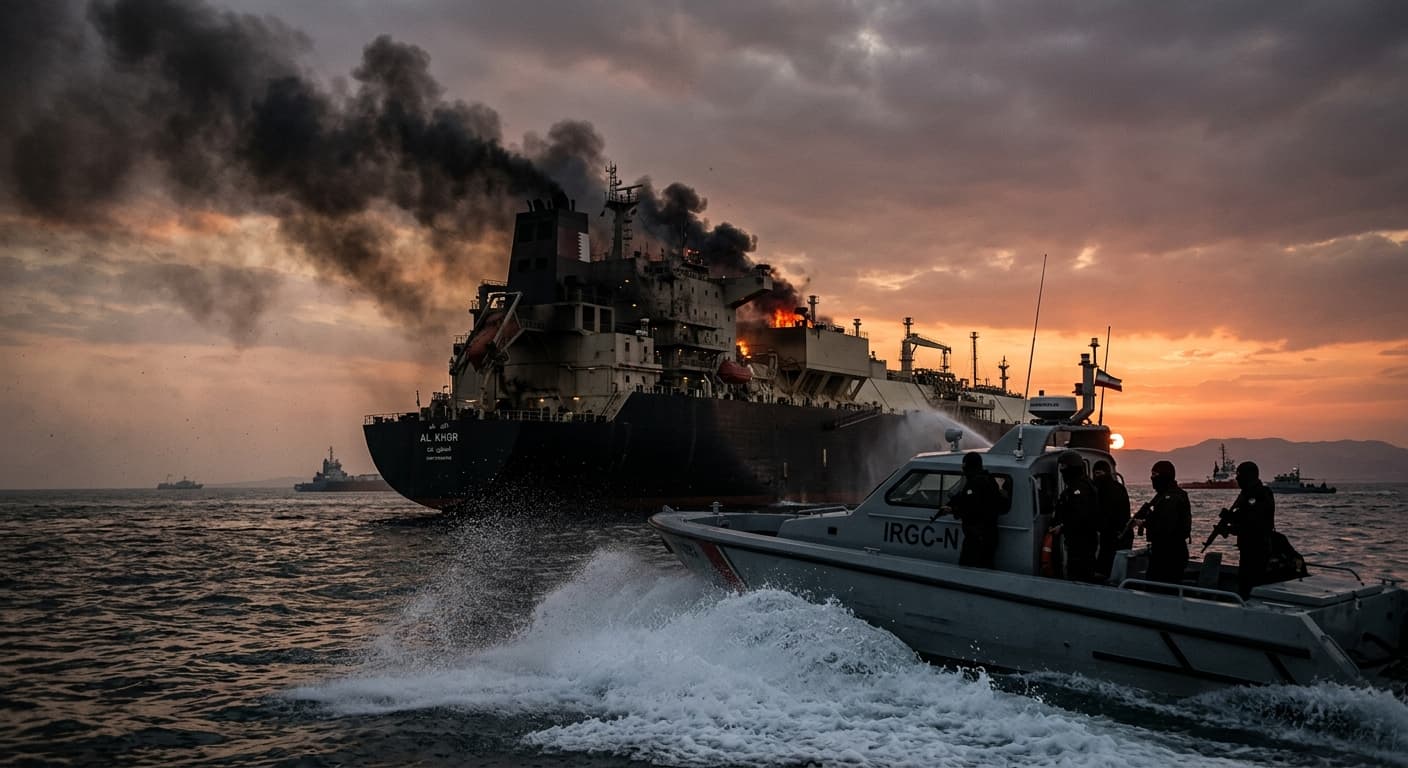
Qatari Tanker Strike Exposes Hormuz Tensions
A Qatari tanker was struck off Oman, revealing the fragility of the Hormuz ceasefire and Iran's influence over maritime security.
Global
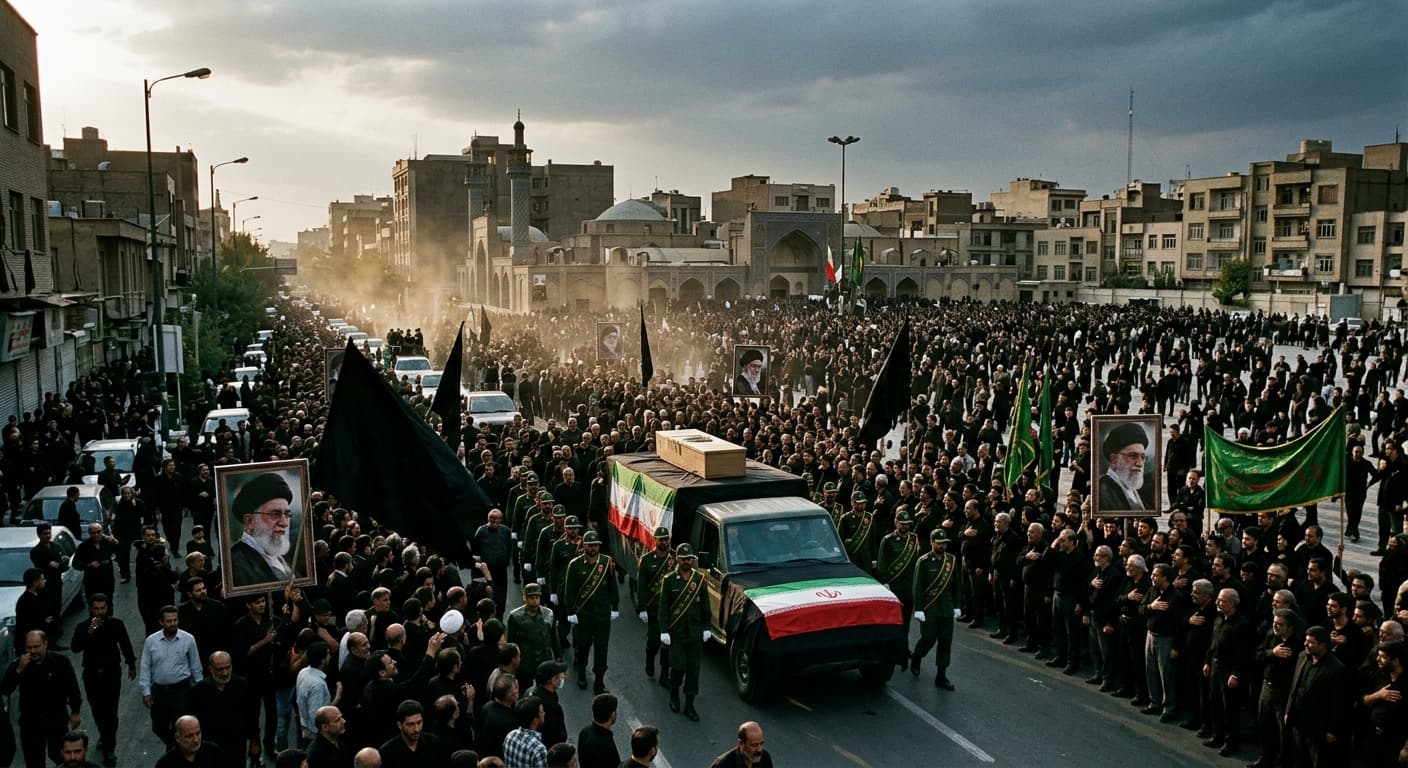
Khamenei's Funeral Signals Iran's Decline
The funeral of Ayatollah Khamenei highlights Iran's diminished influence in the Gulf, with regional powers now dictating terms.
Global
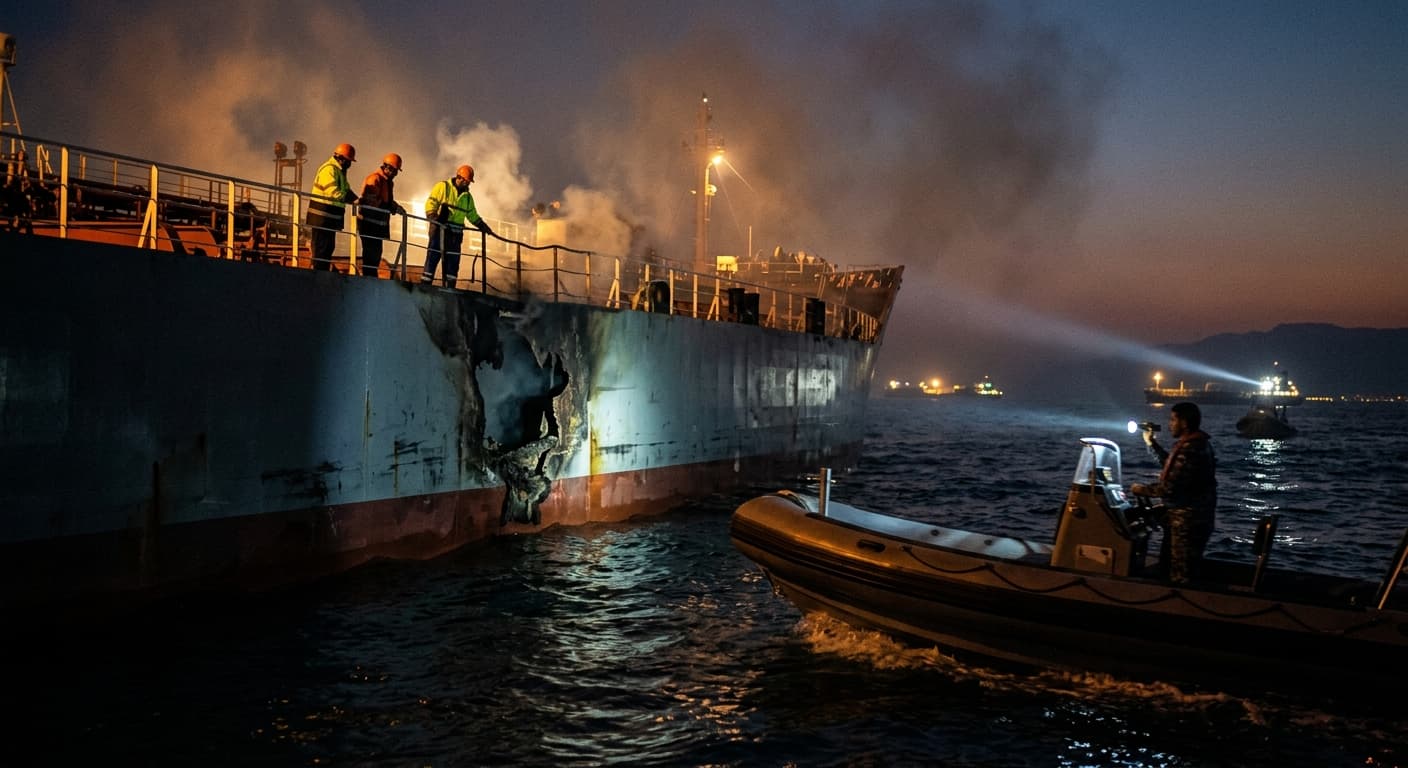
Iran's Hormuz Missile Strikes: A Toll Booth
Iran's missile attack on a Qatari-linked tanker highlights Tehran's strategy to control the Strait of Hormuz, impacting Gulf states and maritime law.

Tech Policy
Iran's Cavern Manticore Targets Israel's IT
Cavern Manticore, an Iran-linked hacking group, targets Israeli IT vendors, prompting a shift in Israel's cybersecurity policy and legislative efforts.