UN Nuclear Chief Calls for Strict Iran Inspec
Rafael Grossi insists on strict IAEA oversight in U.S.-Iran talks
Model Diplomat3 min readMiddle East
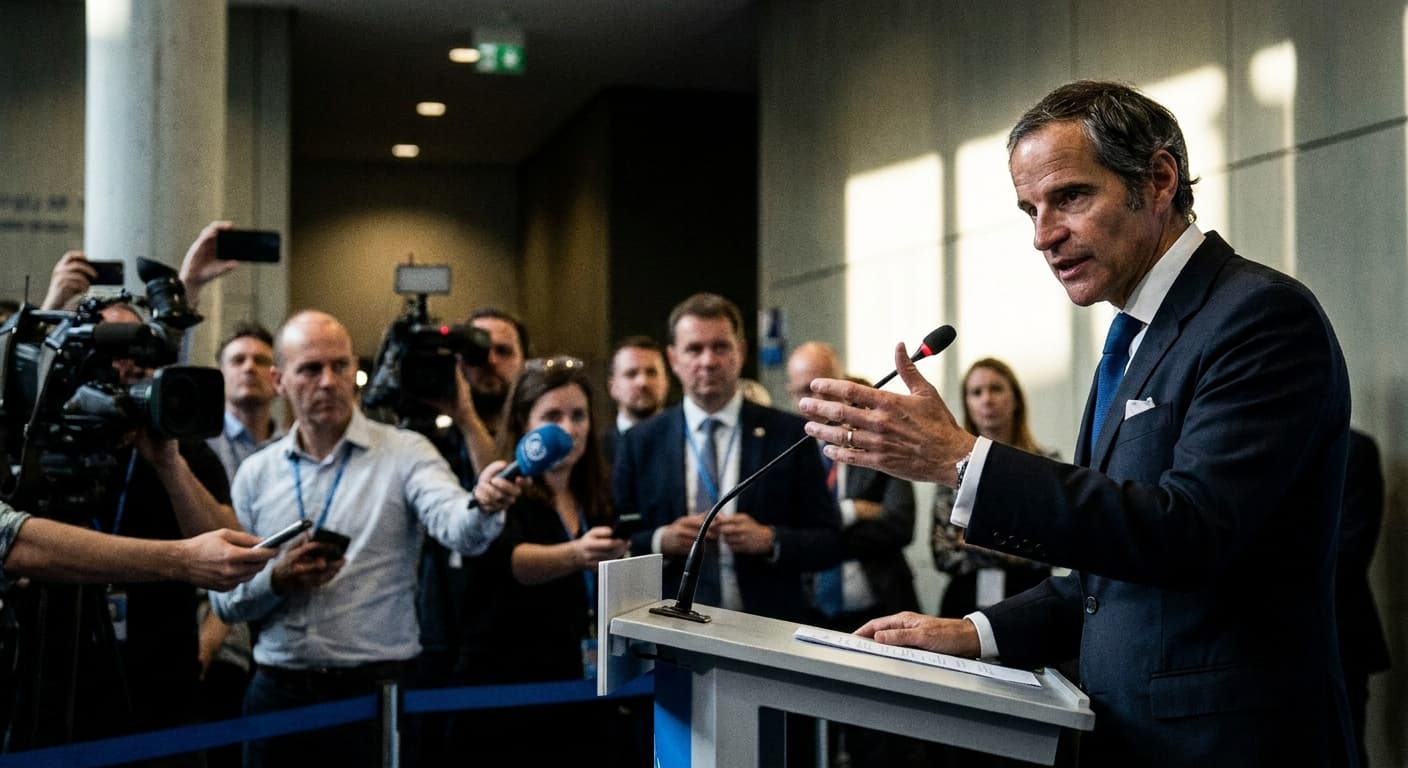
UN Nuclear Chief Pushes for Tough Iran Inspections in Any War-End Deal
Rafael Grossi demands robust IAEA verification to prevent a hollow Iran deal amid U.S. talks.
The head of the International Atomic Energy Agency (IAEA), Rafael Grossi, issued a sharp warning this week: any U.S.–Iran agreement to end their ongoing conflict must include comprehensive, stringent inspections of Iran’s nuclear program. Grossi made clear that without exacting verification protocols, any deal risks being “only an illusion,” undermining the global community’s ability to monitor Iran’s nuclear activities effectively. This intervention is a rare, public call for transparency at a moment when Washington and Tehran are reportedly inching closer to a diplomatic agreement to end years of indirect hostility and sanction battles. AP News.
Why This Matters: Verification as the Deal’s Keystone
Grossi’s statement reframes the Iran negotiations by spotlighting the biggest sticking point: trust and verification. Since the 2015 Joint Comprehensive Plan of Action (JCPOA) unravelled under U.S. sanctions and Iran’s stepped-up enrichment, international inspectors have struggled for access, with Iran restricting IAEA surveillance. The agency’s role is crucial — it’s the global watchdog ensuring Iran complies with nuclear nonproliferation commitments.
Grossi’s call for “unusually strict, detailed” inspections underscores a deep fear: partial or lax monitoring masks covert weaponization efforts. Without full continuity and access, the agency risks missing illicit nuclear development or stockpiling, seriously weakening global safeguards against proliferation. For the U.S., which faces domestic skepticism about trusting Tehran, Grossi’s backing provides technical legitimacy to demands for hard verification.
Moreover, beyond Washington and Tehran, this impacts global nonproliferation order. Iran sits at a geopolitical crossroads, and the durability of any deal depends on preventing nuclear ambiguity that could trigger arms races in the Middle East. Failure to secure a watertight inspection regime could embolden not only Iran but also neighboring states contemplating nuclear capabilities.
What to Watch Next
-
IAEA’s Role and Access Terms: Negotiators will need to hash out exactly what “strict inspections” entail. Does the agency regain full access to nuclear sites, including military-related facilities? Will it have real-time monitoring capabilities? Watch for leaks on IAEA technical demands and how Iran responds.
-
U.S. Domestic and Congressional Reactions: Even with Grossi’s warnings, the deal must pass political hurdles in the U.S. Congress. Skeptics will scrutinize inspection regimes to gauge if they truly prevent cheating, shaping future sanctions or approvals.
-
Iran’s Calculus on Transparency: Tehran faces tough choices balancing transparency with sovereignty and regime security. Too much openness risks internal backlash or revealing sensitive military programs; too little jeopardizes sanctions relief and diplomatic progress.
-
Regional Dynamics: Israel and Gulf countries will weigh in heavily. Both insist on strict controls and have intelligence capabilities that may undermine diplomatic talks if the deal appears soft on Iranian nuclear ambitions. Their response could sway U.S. and international positions.
Grossi’s intervention reminds us that the nuclear question remains the deal’s crux, not just a sidebar in broader U.S.–Iran relations. The technical realities of IAEA inspections will determine whether a diplomatic breakthrough is genuine or merely a pause in a dangerous standoff.
For a deeper look at the ongoing U.S.–Iran tensions, see our U.S. Politics and
International Relations pages.
By demanding stringent IAEA verification, the UN nuclear chief makes clear that monitoring Iran’s nuclear program isn’t just a technical detail—it’s the foundation for any sustainable peace deal.
Discover more
US Politics
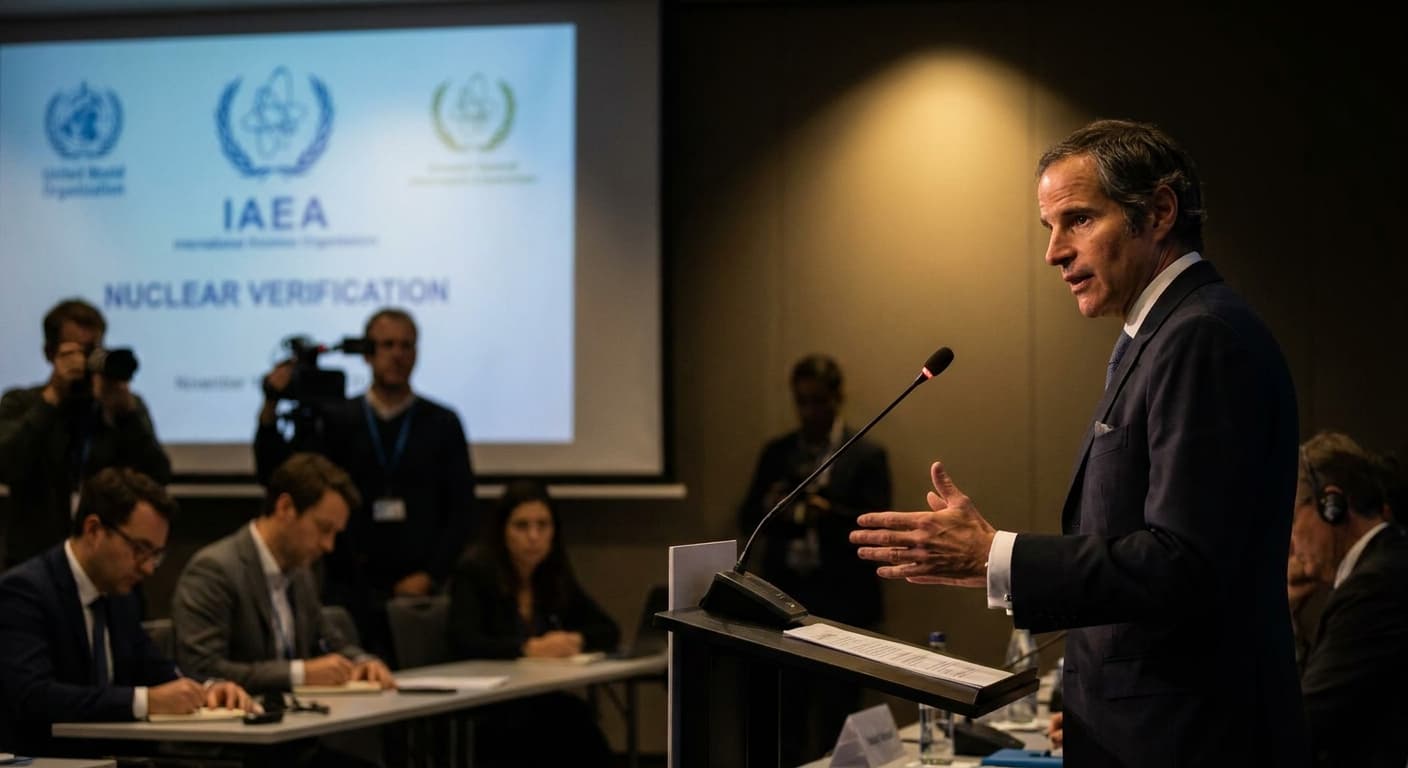
IAEA Chief: US-Iran Nuclear Deal an Illusion
IAEA chief Rafael Grossi warned that any US-Iran nuclear deal without IAEA oversight is meaningless, stressing the need for credible, enforceable verification.
US Politics
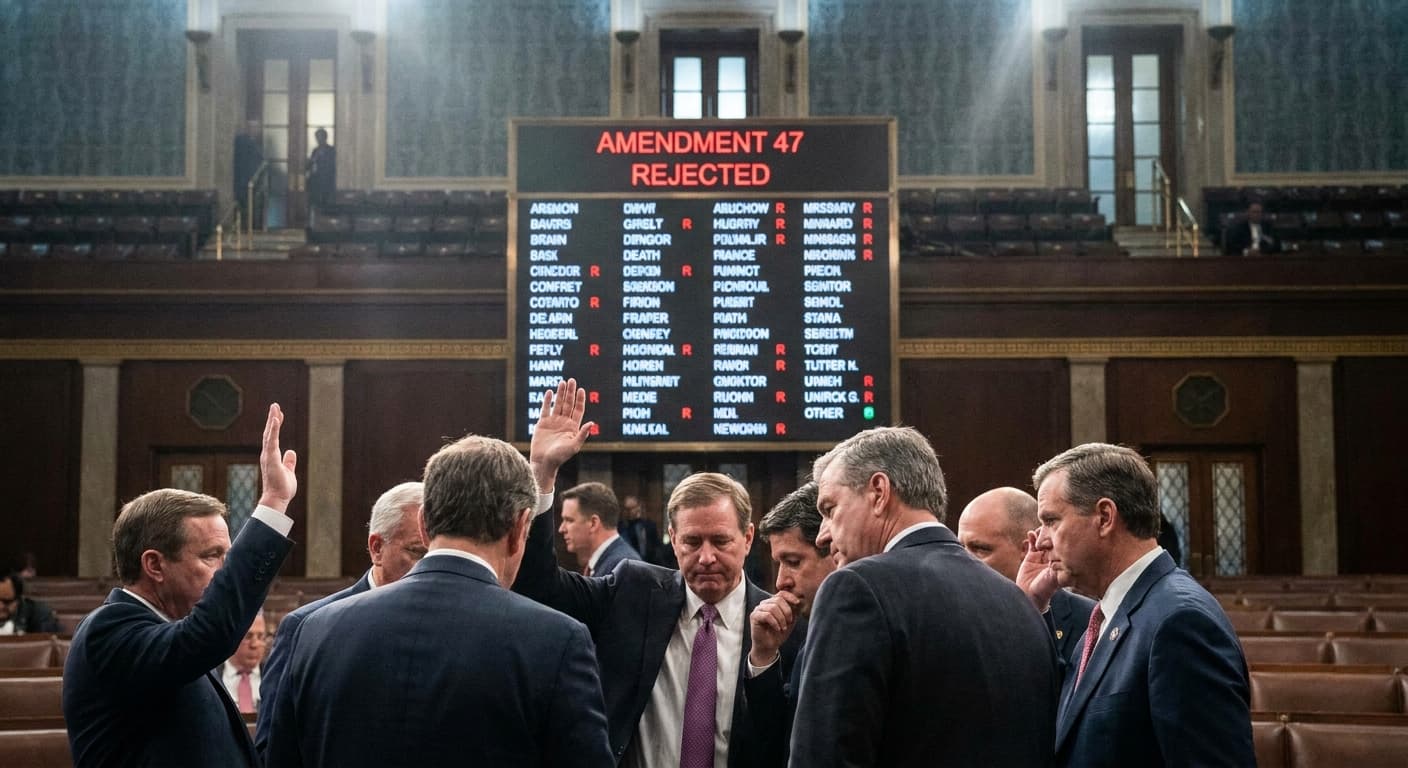
House Rejects Resolution on Trump's Iran Host
The House voted down a resolution to limit Trump's military actions in Iran, laying bare partisan divides and reigniting debate over presidential war powers.

US Politics
Biden's $1.5T Military Budget Amid Iran Tense
The Biden administration's $1.5 trillion military budget faces scrutiny amid murky Iran war costs, exposing deep fiscal and strategic challenges for US defense.

Economics
Fed's Amex AML order puts correspondent banking on notice
Federal Reserve's Amex AML order requires board-level controls and a 90-day plan; OCC fined the bank $350 million over enterprise-wide deficiencies.