UN Highlights Rohingya Migrant Crisis Risks
UN report sheds light on Rohingya refugee boat capsizing risks
Model Diplomat2 min readSoutheast Asia
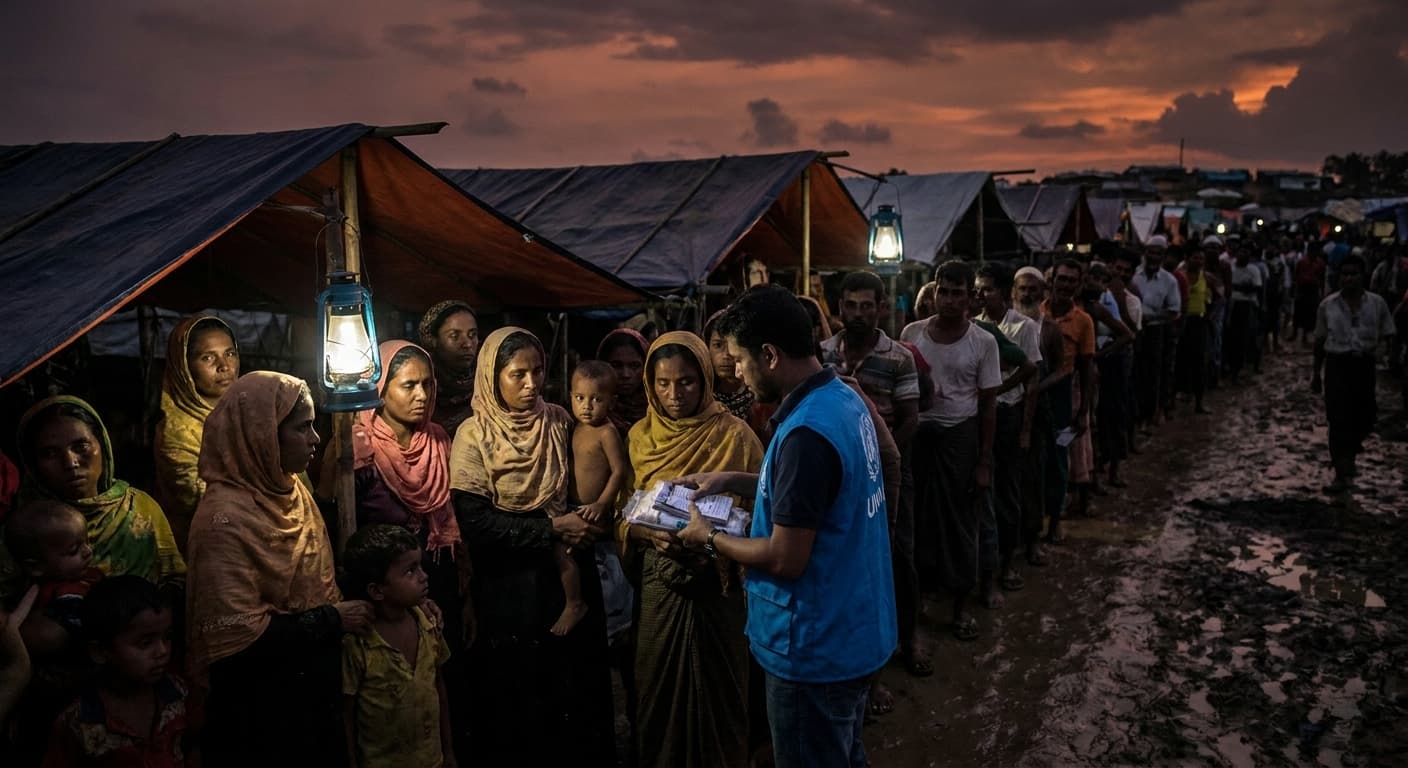
UN Spotlight on Rohingya Tragedy Highlights Migrant Crisis Risks
UN coverage brings fresh focus to Rohingya refugee boat capsizing in the Andaman Sea, underscoring the lethal stakes for migrants and the critical role of UN agencies.
A recent report featured by the Associated Press via its United Nations news hub brings stark attention to the ongoing humanitarian crisis involving Rohingya refugees. A survivor's account of a deadly boat capsizing in the Andaman Sea reveals the continuing peril these migrants face while fleeing persecution and despair. This tragedy, and others like it, illustrates why UN refugee agencies remain essential on multiple fronts: search and rescue, humanitarian aid, and broader advocacy.
Why This Matters: The Rohingya Refugee Crisis and Migration Risks
The Rohingya, a Muslim minority largely expelled from Myanmar’s Rakhine State over the past decade, have become a byword for statelessness and extreme vulnerability. Despite global awareness since the 2017 massacre and mass exodus, the crisis remains acute. Many Rohingya continue risking treacherous sea voyages to reach asylum in countries like Malaysia and Indonesia, where legal protections are limited.
This latest capsizing event in the Andaman Sea is a grim reminder of the human cost of restrictive immigration policies and inadequate rescue infrastructure. The UN’s refugee and migration agencies—such as UNHCR and IOM—have intensified efforts in coordination with coastal states to prevent such tragedies, but their reach and resources often fall short amid growing demand.
The incident also reflects broader trends in maritime refugee crises worldwide, from the Mediterranean to the Gulf of Aden. These perilous journeys symbolize a failure of international systems to offer safe, legal migration pathways. The UN's dual role as both a humanitarian actor and a diplomatic convener becomes essential here—highlighting the interdependence of human rights protection and geopolitical negotiation.
What to Watch: UN Policy Shifts and Regional Responses
As the UN continues spotlighting individual tragedies and migrant suffering, expect pressure to build on regional governments and international donors to strengthen rescue operations and improve refugee reception conditions. Particularly, Southeast Asian nations face growing criticism for their "push-back" policies that drive migrants to riskier routes.
On the UN front, the evolving global compact on refugee protection, adopted in 2018, remains a framework to watch. Its implementation—including burden-sharing and resettlement commitments—is uneven, but renewed crises like this may catalyze renewed diplomatic momentum.
Additionally, with climate change increasingly fueling displacement, seas routes like the Andaman Sea could see rising traffic, elevating the urgency for coordinated regional maritime safety and migration management initiatives.
The UN’s continued media focus through hubs like the AP’s United Nations portal ensures these stories remain in international view—a vital press function in championing accountability and humanitarian aid.
For more about the Rohingya crisis and global refugee policies, see Global Politics and the
United Nations pages.
Discover more
Global
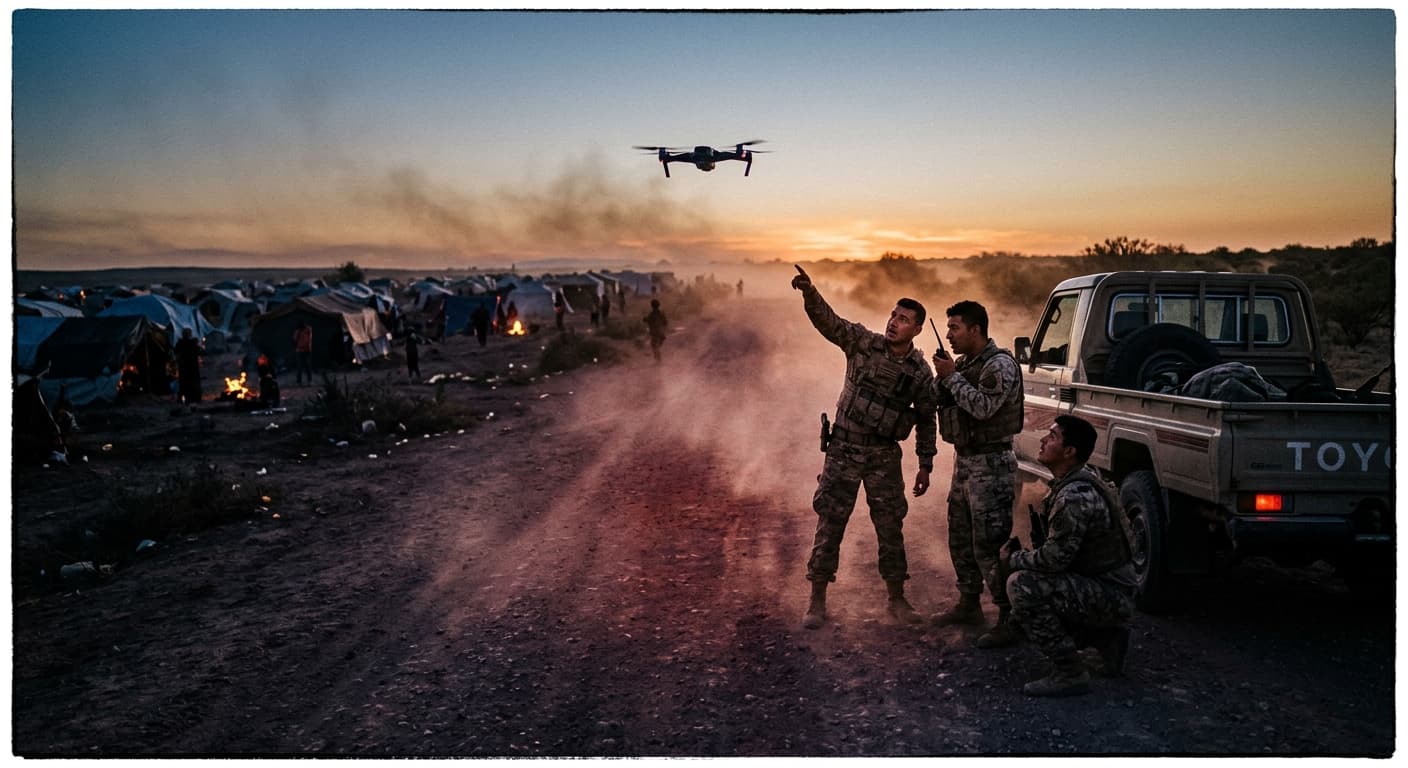
UN: Sahel jihadists outgunning states
UN Security Council confirms Sahel's Al-Qaeda and ISIS affiliates now use drones and cryptocurrencies, targeting Gulf of Guinea coastal states, displacing 6.8 million people.
Conflict & Security
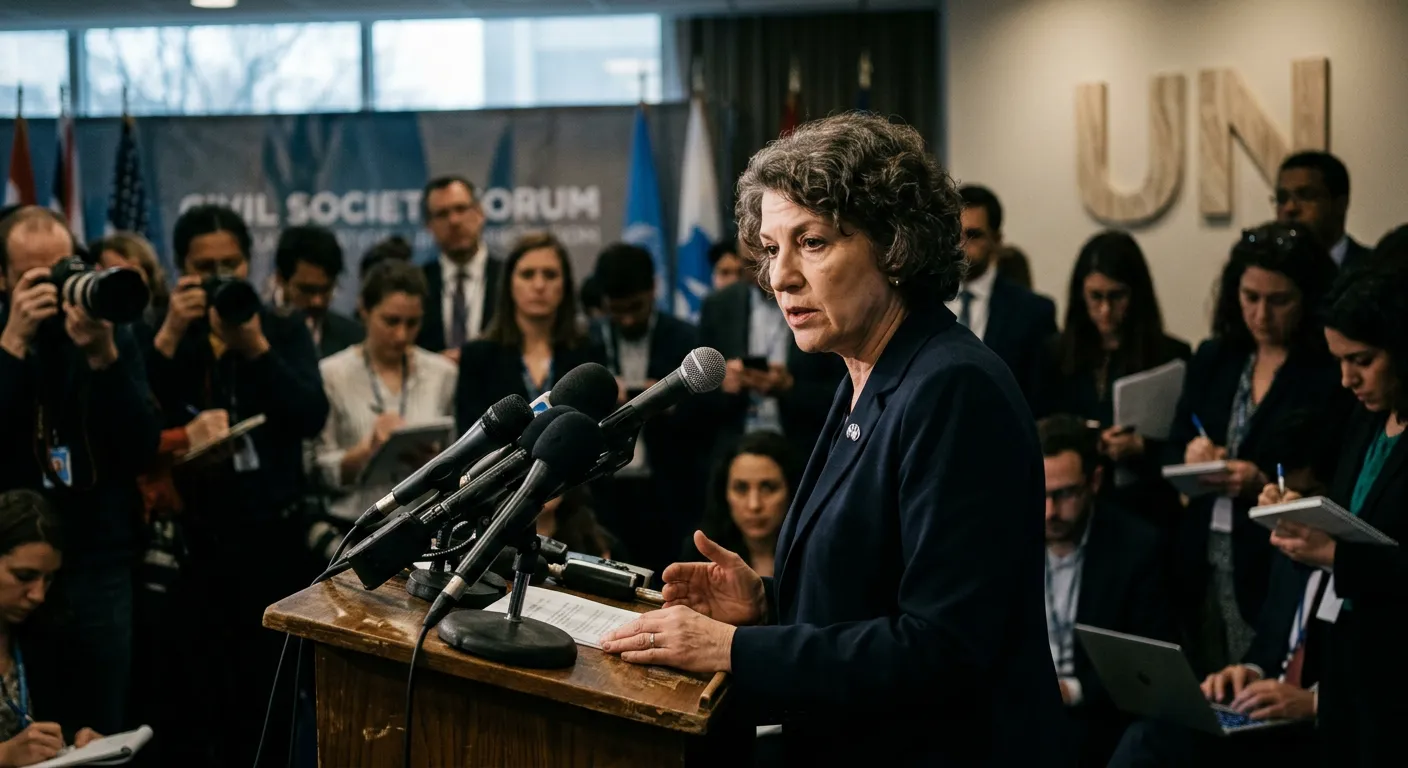
DiCarlo's Civil Society Pivot Explained
UN peacebuilding chief Rosemary DiCarlo emphasizes civil society's role amid a $500M funding gap in the Peacebuilding Fund.
Global Politics
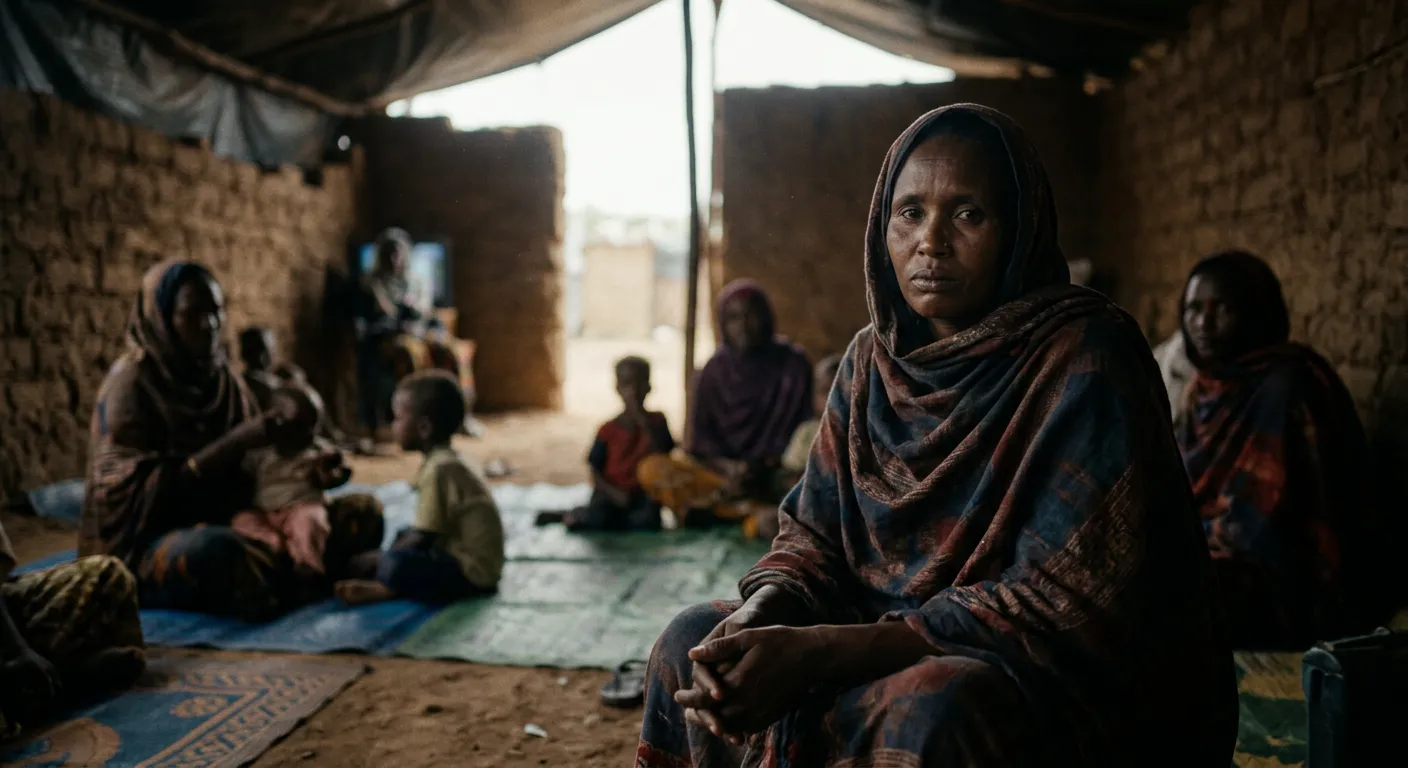
UN Reports Unprecedented Sexual Violence in
A UN report documents 546 verified incidents of sexual violence in Sudan's war, exposing unprecedented abuses and mounting human-rights atrocities in conflict.

Conflict & Security
US and UN Warn of Atrocities in Al-Ubayyid
The US and UN warn of imminent mass atrocities in Al-Ubayyid, Sudan, as RSF forces advance and trapped civilians face a worsening humanitarian catastrophe.