Ukraine WWII Commemoration Ceasefire Tensions
Victory Day symbolism shapes Ukraine-Russia ceasefire dynamics.
Model Diplomat3 min readEurope
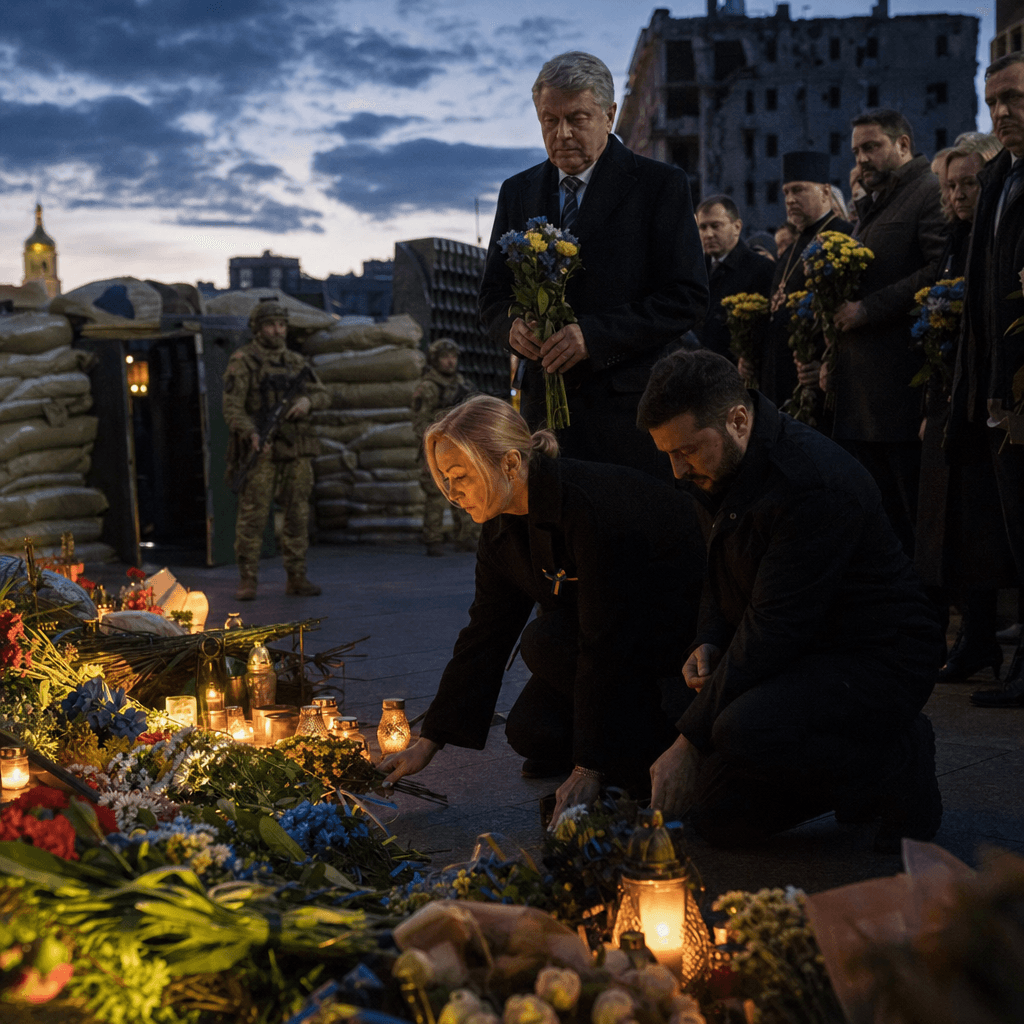
Ukraine’s WWII Commemoration Becomes a Ceasefire Test
Kyiv is using Victory Day symbolism to press for a real ceasefire, while Moscow uses a short truce to project control and shape the diplomacy.
Ukrainians marked the end of World War II as Russia’s unilateral three-day ceasefire hovered over the frontline, but the pause was always more political than military: Kyiv called it a “farce,” Moscow cast it as a humanitarian gesture, and both sides used it to fight over who actually wants peace (France 24;
BBC). The leverage is in Moscow’s hands for now — Russia chose the dates, tied them to Victory Day, and tried to turn a battlefield pause into a diplomatic signal.
Truce as leverage, not settlement
The Kremlin’s logic is clear. A short holiday ceasefire lets Vladimir Putin present Russia as restrained and serious about negotiations without conceding the one thing Kyiv and its Western backers want: a 30-day unconditional truce that could open real talks (BBC;
France 24). Ukraine has refused to validate that script. By demanding a longer ceasefire, Volodymyr Zelensky is trying to shift the burden back onto Moscow and force a binary choice: accept a meaningful pause or own the continuation of the war.
That matters because the short truce changes little on the ground but a lot in the information war. BBC reported Ukraine accused Russia of thousands of violations in a previous holiday truce, while Russia said it had observed the pause and blamed Kyiv for breaches. That pattern is the point: each side is preparing evidence for Washington and European capitals, not just for the front line (BBC;
BBC).
Why the WWII date still matters
May 9 is not just commemorative theater. In Moscow, Victory Day is the central legitimizing holiday of the state; in Kyiv, the same date is a reminder that Russia’s war has made Europe’s deadliest conflict since 1945 feel current again (Euronews). That is why the ceremony itself is part of the coercion. Putin is using the memory of the anti-Nazi victory to frame present-day military power as historical destiny, while Ukraine is trying to separate remembrance from Russian domination.
For outside powers, the symbolism cuts both ways. Europe’s message is that Russia’s war has broken the post-1945 security order; Moscow’s message is that it still commands enough force and allies to stage a grand parade under sanctions and wartime pressure (France 24;
BBC). That is why Kyiv’s commemoration is also a diplomatic move: it keeps the war framed as a European security problem, not just a bilateral ceasefire dispute. See also
Conflict and
United States.
What to watch next
The next decision point is the end of the three-day truce, set to run out after Victory Day. If fighting spikes again, Ukraine will use that to argue Russia never intended a real pause; if the ceasefire extends, Moscow gains a talking point with Washington and European leaders pushing for a broader deal (BBC;
BBC).
Watch three things: whether Moscow accepts a 30-day ceasefire, whether Trump and European leaders keep pressing sanctions threats, and whether Russia tries to rebrand a short truce as the first step toward talks. That will tell you whether this was a holiday pause — or the opening move in a longer diplomatic test.
Discover more
Global
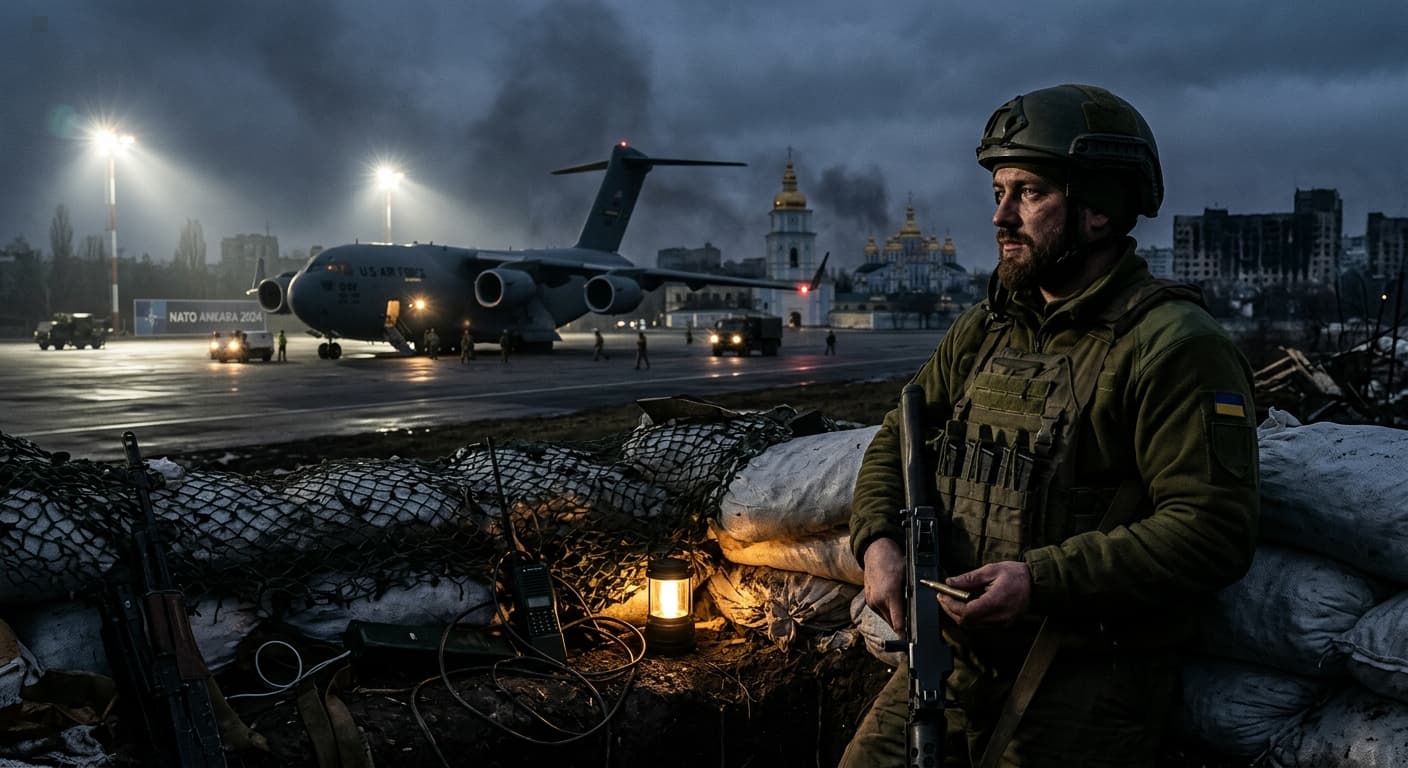
Kyiv's Empty Quiver: Ankara Summit on NATO
As Russia strikes Kyiv, NATO's Ankara summit must address Ukraine's urgent air defense needs amid dwindling interceptor supplies.
International Relations
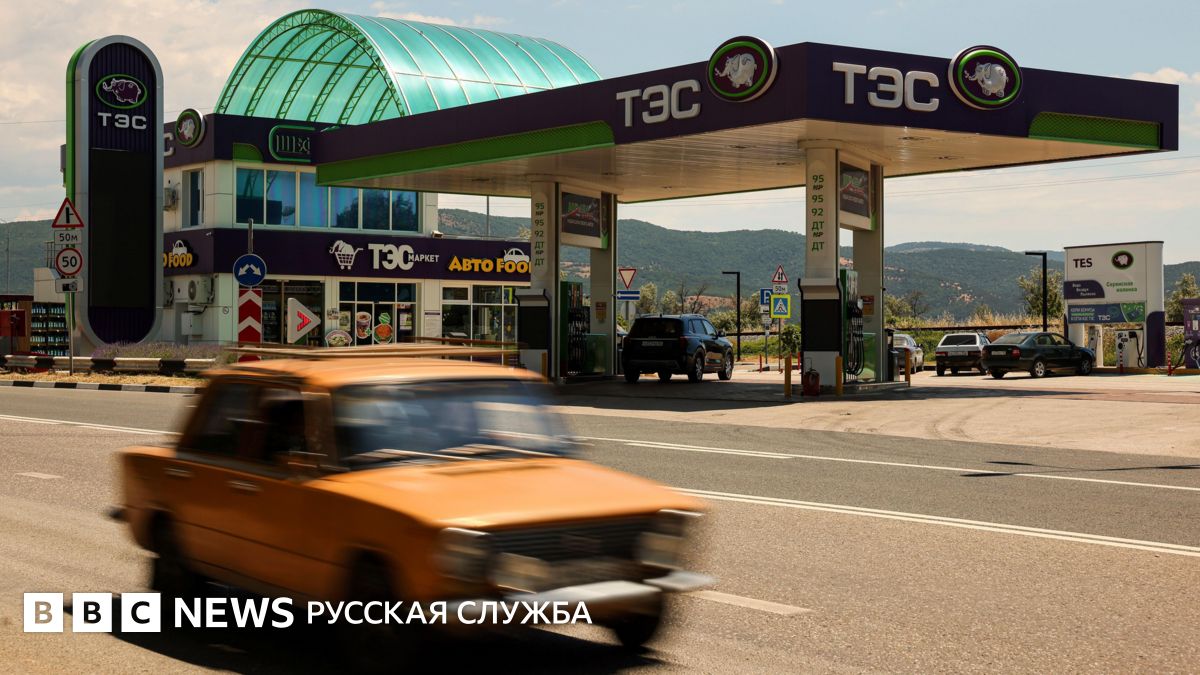
Ukraine Drone Strikes Crimea Power Grid
Ukrainian drone strikes targeting Crimea's power grid signal a strategic shift, aiming to disrupt Russian logistics by hitting critical energy infrastructure.
Conflict & Security
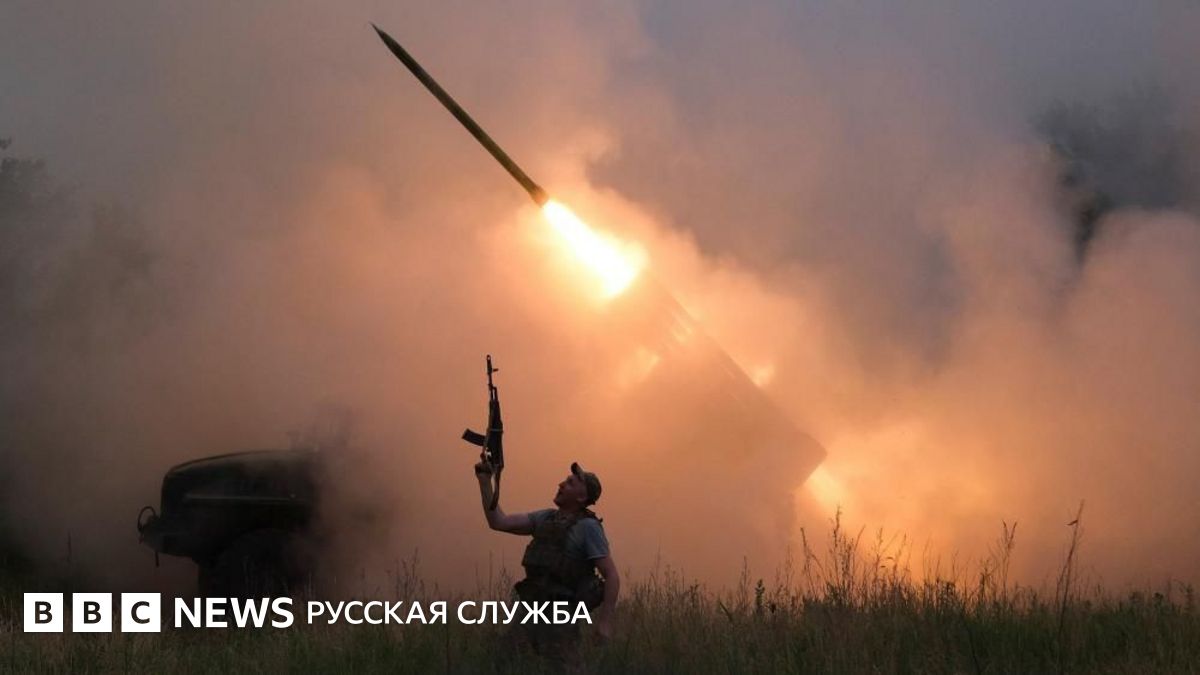
Russia Encircles Konstantinovka—Key to Donbas
Russia's encirclement of Konstantinovka could unlock the wider Donbas for further advances, marking a pivotal moment in its grinding eastern offensive.
Conflict & Security
Ukraine's Energy Offensive Hits Crimea
Ukraine's drone campaign is disrupting Russian fuel supplies and forcing rationing in Crimea, turning energy infrastructure into a key front of the war.