Ukraine's Truce Strategy Challenges Moscow
Kyiv's ceasefire challenges Russia's war narrative.
Model Diplomat2 min readEurope
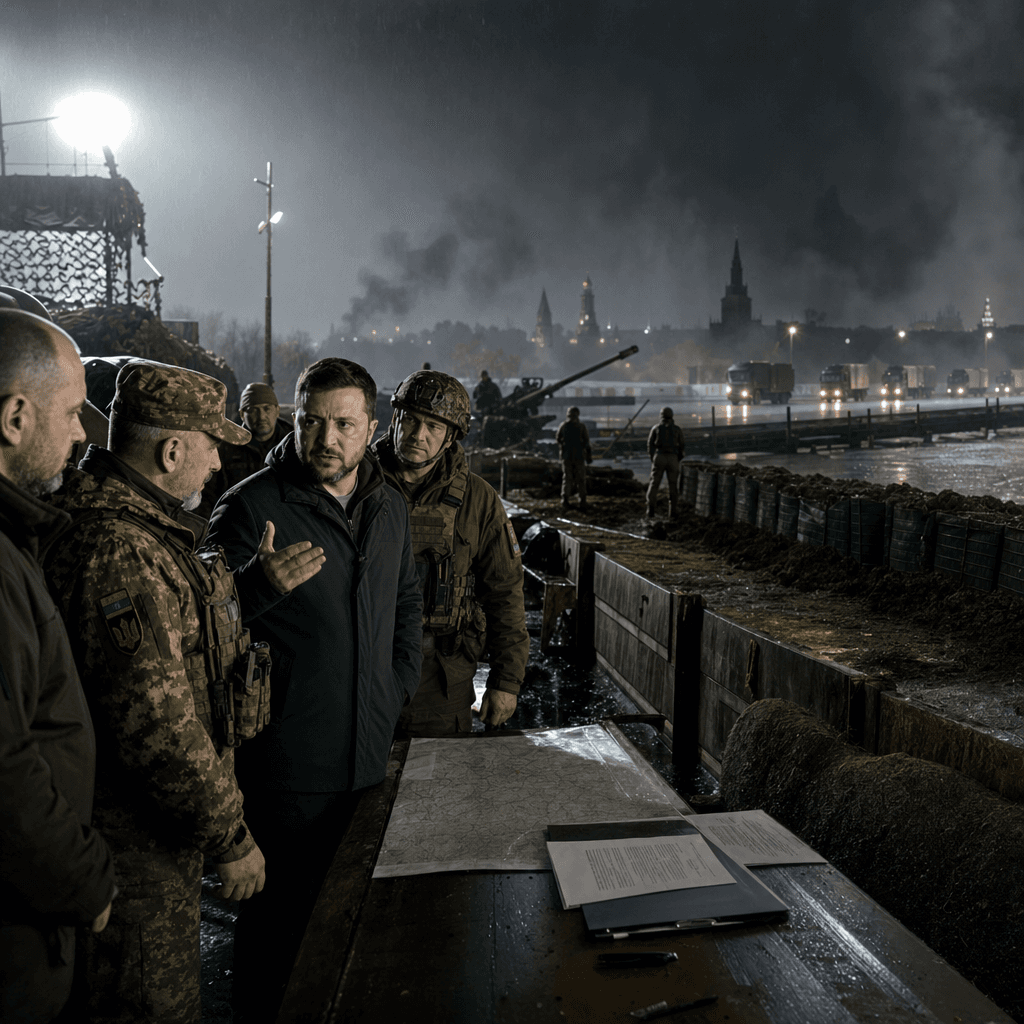
Ukraine’s Truce Gambit Puts Moscow on the Defensive
Kyiv’s unilateral pause shifts the burden to Moscow, which wants parade-day optics and room to keep pressure on the front.
Ukraine says Russian forces violated the ceasefire it initiated on May 6, underscoring the core power dynamic in this war: Moscow can still spoil any pause, but Kyiv is trying to force Russia to either respect a truce or own the optics of rejecting one. The immediate battlefield value is limited; the political value is higher. Reuters
Why this matters
This is not a negotiated ceasefire. It is a unilateral Ukrainian move designed to expose whether Russia wants a de-escalation or just the appearance of one. That matters because both sides are already locked into a separate timing fight: the Kremlin has announced a three-day ceasefire from May 8 to May 11 around Victory Day, while Kyiv has demanded a 30-day halt instead. BBC
The leverage contest is simple. Ukraine wants to shift the burden of proof onto Russia: if Moscow keeps firing, it weakens its claim to be the side seeking peace. If it stands down, even briefly, Kyiv gains evidence that pressure and diplomacy can shape Russian behavior. For Moscow, the incentive is different. It wants a truce that protects the parade and reinforces the narrative that Russia controls the tempo of the war. BBC
The pattern is the story
This fits a familiar pattern. The Easter ceasefire in April produced hundreds of mutual violation claims, with Ukraine and Russia each accusing the other of breaking the pause almost immediately. BBC’s monitoring showed how quickly even short truces became information warfare. BBC
That history matters because it tells policymakers what kind of signal to trust. These are not confidence-building measures in the classic sense. They are tests of discipline, used by both sides to shape outside perceptions — especially in Washington and European capitals, where pressure for a broader ceasefire has been building. Kyiv benefits if it can show Moscow refuses even limited restraint. Russia benefits if it can show that Ukraine cannot be trusted to hold fire. BBC
What to watch next
The next real checkpoint is May 8, when Russia’s declared ceasefire is due to begin. If fighting drops, the Kremlin will call it proof that its terms matter. If attacks continue, Moscow will use that as justification for a harsher response and for rejecting any longer truce. For Kyiv, the question is whether this unilateral pause becomes leverage for a 30-day proposal — or just another brief episode in a war where ceasefires are announced faster than they are kept. BBC
Discover more
Global
Kyiv's Empty Quiver: Ankara Summit on NATO
As Russia strikes Kyiv, NATO's Ankara summit must address Ukraine's urgent air defense needs amid dwindling interceptor supplies.
International Relations
Ukraine Drone Strikes Crimea Power Grid
Ukrainian drone strikes targeting Crimea's power grid signal a strategic shift, aiming to disrupt Russian logistics by hitting critical energy infrastructure.
Conflict & Security
Russia Encircles Konstantinovka—Key to Donbas
Russia's encirclement of Konstantinovka could unlock the wider Donbas for further advances, marking a pivotal moment in its grinding eastern offensive.
Conflict & Security
Ukraine's Energy Offensive Hits Crimea
Ukraine's drone campaign is disrupting Russian fuel supplies and forcing rationing in Crimea, turning energy infrastructure into a key front of the war.