Ukraine's Ceasefire vs Russia's Drone Power
Kyiv's ceasefire attempt reveals Moscow's control over escalation.
Model Diplomat2 min readEurope
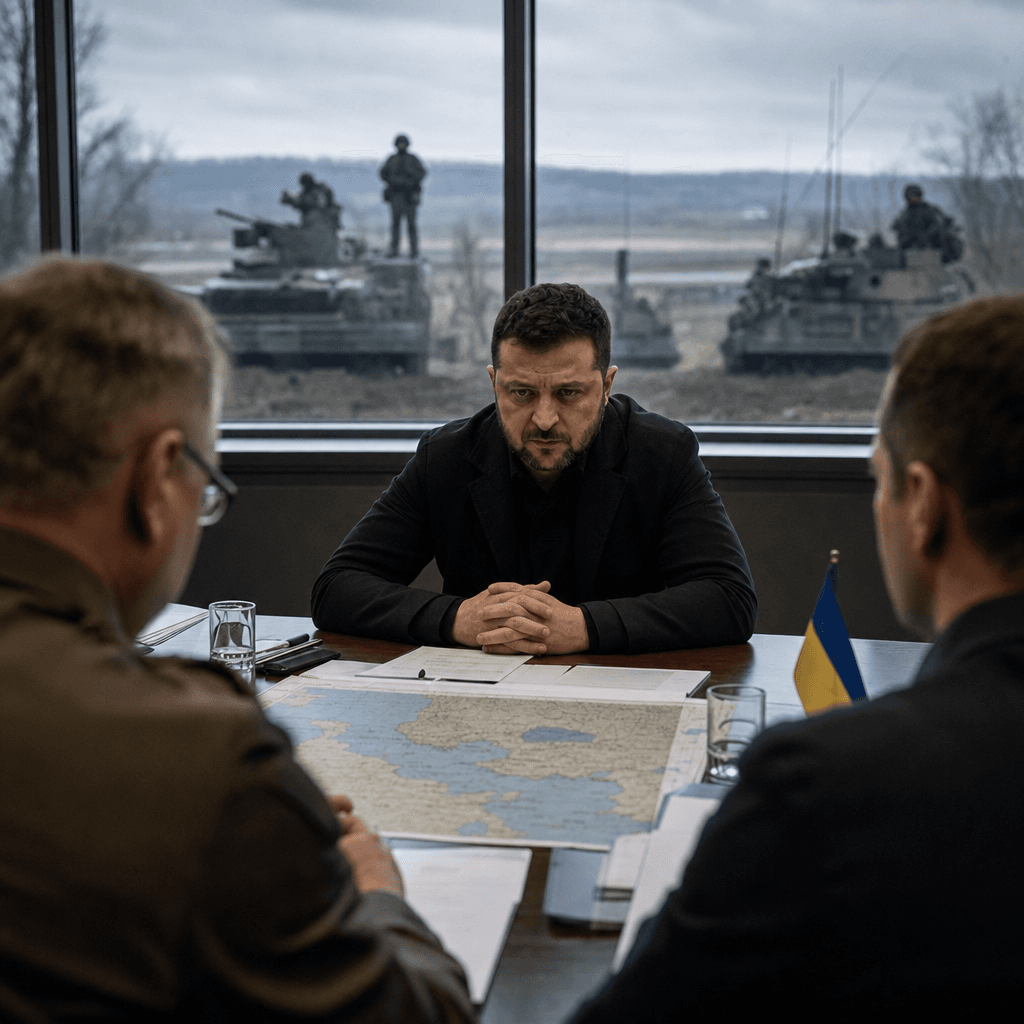
Ukraine’s Truce Gambit Exposes Russia’s Real Leverage
Kyiv’s unilateral ceasefire aimed to seize the narrative, but Russia’s drone barrage shows Moscow still controls escalation and timing.
Russia ignored Ukraine’s unilateral ceasefire and launched dozens of drones, according to AP News, a blunt reminder that the Kremlin is not interested in validating Kyiv’s diplomatic framing. The military exchange matters less as a battlefield event than as a signal: each side is trying to make the other look like the spoiler.
Context: the ceasefire is a political test, not a truce
Kyiv moved first to try to box Vladimir Putin in ahead of Russia’s Victory Day commemorations, after the Kremlin announced a three-day ceasefire beginning May 8 and framed it as a test of Ukraine’s readiness for peace, while Volodymyr Zelensky called the plan “theatrical” and pressed for a 30-day halt instead. BBC News
France 24
That timing is the point. Moscow wants the May 9 parade to project control at home and abroad, with foreign leaders in attendance, including China’s Xi Jinping, while Kyiv wants to puncture the idea that Russia can dictate a pause on its own terms. BBC News
France 24
Why it matters: leverage is shifting through airspace
This is a war of pressure points, not just front lines. Ukraine’s drone campaign has already disrupted Russian aviation around Moscow and beyond; one report said roughly 60,000 passengers were affected as airports were forced into repeated suspensions and diversions. BBC News That gives Kyiv something it lacks on the ground: a way to impose costs inside Russia’s own political calendar.
For Moscow, the benefit is simpler. By refusing a longer truce and responding with drones, Russia keeps the initiative on the battlefield while portraying Ukraine as reckless and untrustworthy. That message is aimed as much at Washington as at Kyiv, because the Trump administration has been pushing both sides toward talks and has threatened to lose patience if there is no progress. France 24
What to watch next
The next decision point is May 9 in Moscow. If the parade passes under sustained air-defense pressure or fresh strikes, the ceasefire will have served mainly as a propaganda contest. If attacks ease, even briefly, both sides will claim validation and use it to argue for their preferred terms. Watch for any shift in U.S. pressure after the parade, and whether Moscow uses the moment to float fresh ceasefire conditions. For the wider diplomatic angle, see Global Politics and
Conflict.
Discover more
Global Politics
Israel's Red Sea Gambit: Why Somaliland
Israel's partnership with Somaliland aims to counter Houthi threats and enhance Red Sea influence.
Global Politics
Iran Demands US Enforce Ceasefire
Iran insists the US must enforce a ceasefire in Lebanon to uphold the MoU.
Global Politics
H5N1 Bird Flu Reaches Australia
Australia's first H5N1 case ends its status as the last continent without the virus.
India
India Takes Vice-Presidency at FATF
India's Vivek Aggarwal becomes FATF vice president, paving the way for future leadership.