UK Trade Deal Dismisses Investment Concerns
Trade economist sees no need for investment chapter in CETA
Model Diplomat3 min readEurope
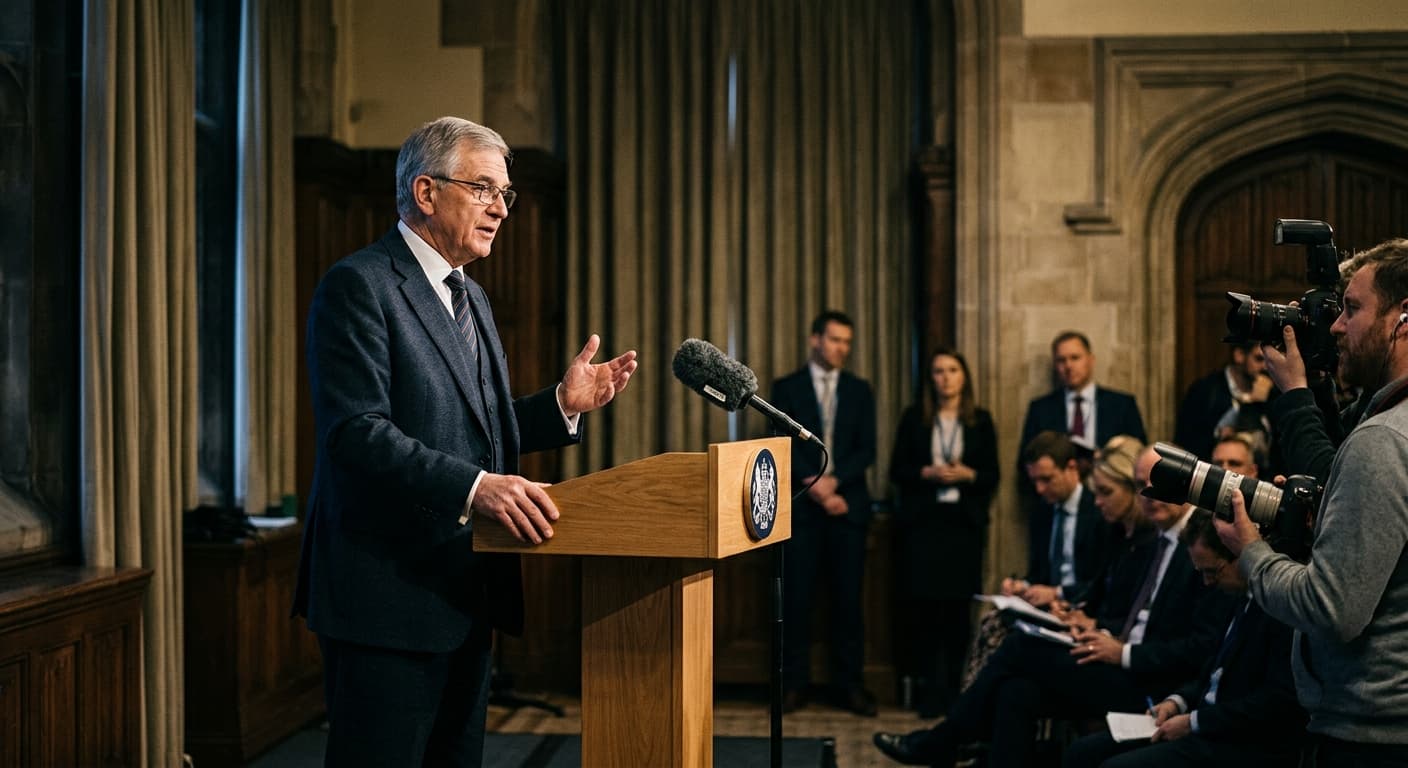
UK Trade Deal Shrugs Off Investment Gap
Britain's top trade economist dismisses missing investment chapter, citing trade and ease-of-business gains as sufficient drivers of FDI into India.
Britain's position on the India-UK trade deal diverges sharply from the EU's: where European leadership is pushing for a separate investment pact, London is dismissing the omission of such a chapter as immaterial. Anton Muscatelli, President of the Royal Society of Edinburgh and a prominent UK trade expert, told The Hindu that the Comprehensive Economic and Trade Agreement (CETA)—due to take effect July 15, 2026—needs no separate investment provisions because higher trade volumes and administrative reforms will naturally pull in foreign direct investment.
"What trade does is it creates an enabling framework to encourage foreign direct investment," Muscatelli said. "Just simply committing to FDI as part of a trade deal might look more direct and with more direct benefits, but in reality what is really going to drive in investment in a major way is going to be those enabling changes."
The UK-India CETA, signed in July 2025 after 14 negotiating rounds, covers 30 chapters spanning tariffs, services, digital trade, and intellectual property—but includes no dedicated investment chapter. This mirrors neither New Zealand's model nor the European Free Trade Association's deals with India, both of which include explicit investment protections. The omission prompted European Commission President Ursula von der Leyen and the EU's Ambassador to India Hervé Delphin to separately call for a dedicated investment accord alongside the EU-India pact announced in January 2026.
Muscatelli's dismissal reflects a calculated bet: that India's ongoing reform agenda will prove more potent than contractual assurances. He cited the automatic approval route now available for most FDI sectors and a reduction in bureaucratic discretion as evidence that India is "on a journey of being business ready." The CETA, by slashing tariffs across processed foods, marine products, engineering goods, leather, textiles, and chemicals, should unlock cost efficiencies that make UK investment competitive.
The numbers give him some cover. Desi Talk Chicago reported Britain's High Commissioner as claiming the deal will generate £5 billion in bilateral GDP gains by 2030 and unlock sectors beyond trade—defence, education, technology.
The Tribune cited the UK India Business Council's observation that bilateral trade reached £47.9 billion in the four quarters ending Q4 2025, up 10 percent year-over-year, and expecting tariff reductions to accelerate flows further.
The Implicit Wager
This position is not without risk. Muscatelli is betting that trade liberalization alone suffices—that tariff cuts and administrative "ease of doing business" reforms will substitute for hard investment guarantees around dispute resolution, expropriation safeguards, and tax stability. The EU, by contrast, is not taking that bet. Al Jazeera reported that Brussels and New Delhi announced the India-EU pact on the same basis: 96.6 percent of EU goods get tariff elimination or reduction, yet Von der Leyen explicitly flagged the need for a separate investment accord to follow.
The distinction gains weight when sector outcomes matter. Indian textile exporters project their UK market share rising 10–15 percent post-CETA; growth in services and IT remain unquantified but assumedly material. If tariff access translates into investment, Muscatelli wins. If it does not—if Indian bureaucracy, land acquisition delays, or tax disputes deter capital—the UK will have left leverage on the table.
What to Watch
July 15 implementation is the hard date. Monitor bilateral greenfield FDI announcements in the three months after entry into force; the absence of UK-India investment deals in H2 2026 would signal whether Muscatelli's enabling-framework thesis holds or whether London miscalculated by not locking in investor protections upfront.
Discover more
India
UN Expert Albanese: India Violates Law
UN Rapporteur Francesca Albanese accuses India of breaching international law, spotlighting human rights concerns in Kashmir and prompting diplomatic pushback.

India
India-South Korea $50B Trade Expansion Plan
India and South Korea target $50 billion in bilateral trade by 2030, focusing on industrial cooperation and strategic alignment amid US pressures.

International Relations
Pakistan's Key Role in US-Israel-Iran Meddle
Pakistan is seeking to mediate the US-Israel-Iran conflict, balancing high-stakes diplomacy against severe economic pressures and steep regional challenges.

Conflict & Security
Drone Warfare Killing Aid Workers at Unprec
Over 1,000 humanitarian workers killed in three years as cheap armed drones collapse legal protections. Gaza, Sudan, Ukraine, and DRC see deliberate targeting of aid convoys and hospitals with zero prosecutions.