UK Sport Bets on Climbing for LA 2028
Climbing receives major funding boost ahead of LA 2028.
Model Diplomat3 min readEurope
UK Sport Bets on Climbing for LA 2028
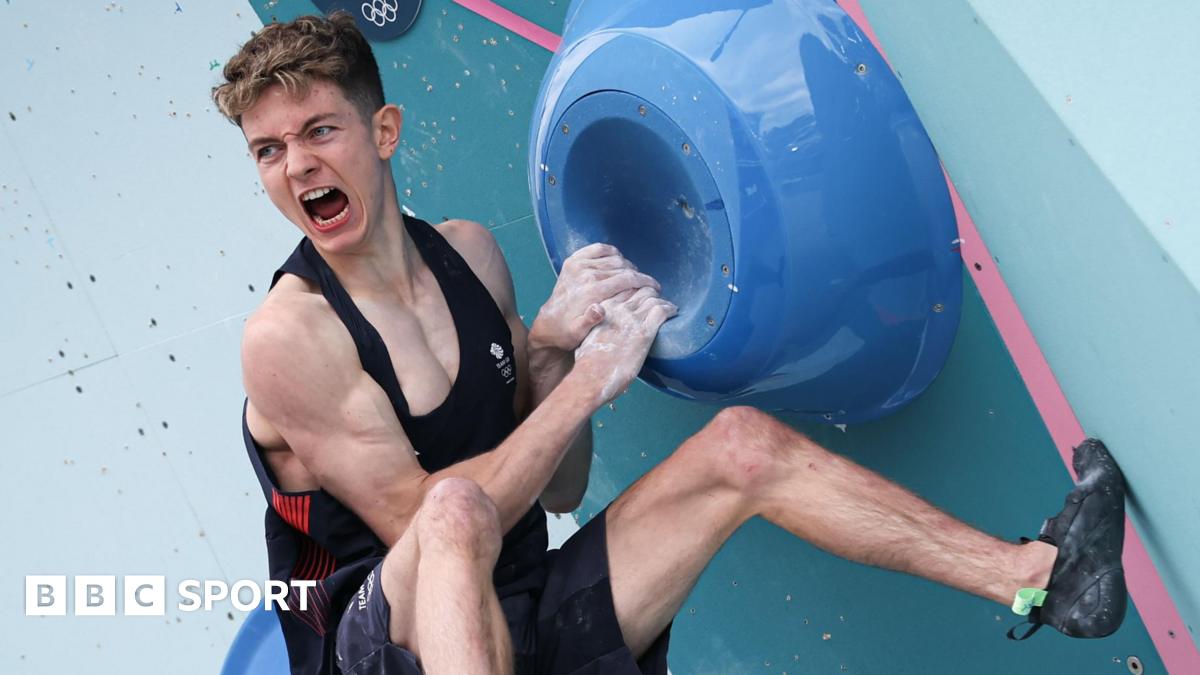
Climbing gets the biggest share of a £4m UK Sport top-up, a signal that Paris success and LA’s expanded programme have turned it into a medal priority.
UK Sport has given climbing an extra £1.4m, more than 60% above its previous allocation, in the latest annual review of LA 2028 funding, BBC Sport reported (BBC Sport). The money will add eight athletes to the British performance programme and help prepare for a Games where climbing will be contested in three medal events for the first time (
BBC Sport;
UK Sport).
Why climbing won
The leverage is obvious: climbing is no longer a novelty sport, it is a proven medal source. Toby Roberts’ gold in Paris 2024 was Britain’s first Olympic climbing medal, and it arrived just as participation surged at home, including the launch of the Pro Climbing League, BBC Sport said (BBC Sport). In other words, UK Sport is not gambling on a moonshot; it is scaling a programme that already delivered and now faces a bigger LA opportunity.
That matters because the LA 2028 format gives Britain more cracks at medals. Para-climbing is due to debut at the Paralympics in Los Angeles, while the Olympic side will feature three climbing medal categories, according to the International Paralympic Committee and UK Sport (BBC Sport;
UK Sport). That makes climbing one of the clearest beneficiaries of the IOC/IPC’s programme expansion, and one of the few sports where Britain can plausibly turn a single breakthrough into a multi-medal operation.
What this says about UK Sport’s strategy
This is also about how UK Sport allocates scarce money. The agency is spreading an extra £4m across 16 sports, but climbing gets the largest uplift by far (BBC Sport). Canoeing, cycling, equestrian, table tennis and visually impaired judo also receive support, yet none of them match climbing’s percentage gain (
BBC Sport).
The pattern is consistent with the broader LA 2028 cycle. UK Sport had already committed almost £334m across Olympic and Paralympic sports, and earlier pledged a record £330m for the cycle, with new sports such as lacrosse and para-climbing brought into the funding orbit (BBC Sport;
BBC Sport). The signal to governing bodies is clear: early investment goes to sports that can convert structural change — new events, new categories, new qualification rules — into podium probability.
Who gains, who loses, what to watch
The immediate winner is the British Mountaineering Council, which can expand support around athletes in psychology, nutrition, physio and medical provision, according to performance director Laura Needham (BBC Sport). The broader winner is Team GB’s medal model: instead of spreading resources thinly, UK Sport is concentrating where a relatively small marginal increase could produce outsized returns.
The loser is every sport left outside the top-up, especially those with established pedigree but weaker medal efficiency. That is the trade-off in a system built to maximize medals rather than participation.
What to watch next: the LA 2028 qualification calendar and the final shape of Britain’s climbing roster. If the sport can translate this funding into depth beyond Roberts, UK Sport’s bet will look shrewd; if not, the extra money will have bought only more support around a narrow elite. The next real test comes as LA qualification and event planning harden over the next two years, with the Games in 2028 now the point where this investment must cash out (BBC Sport).
Discover more

Global Politics
US Seizes Iranian Ship, Tensions Surge
The US seizes the Iranian ship Touska near the Strait of Hormuz, escalating tensions and risking wider conflict in the region.
India
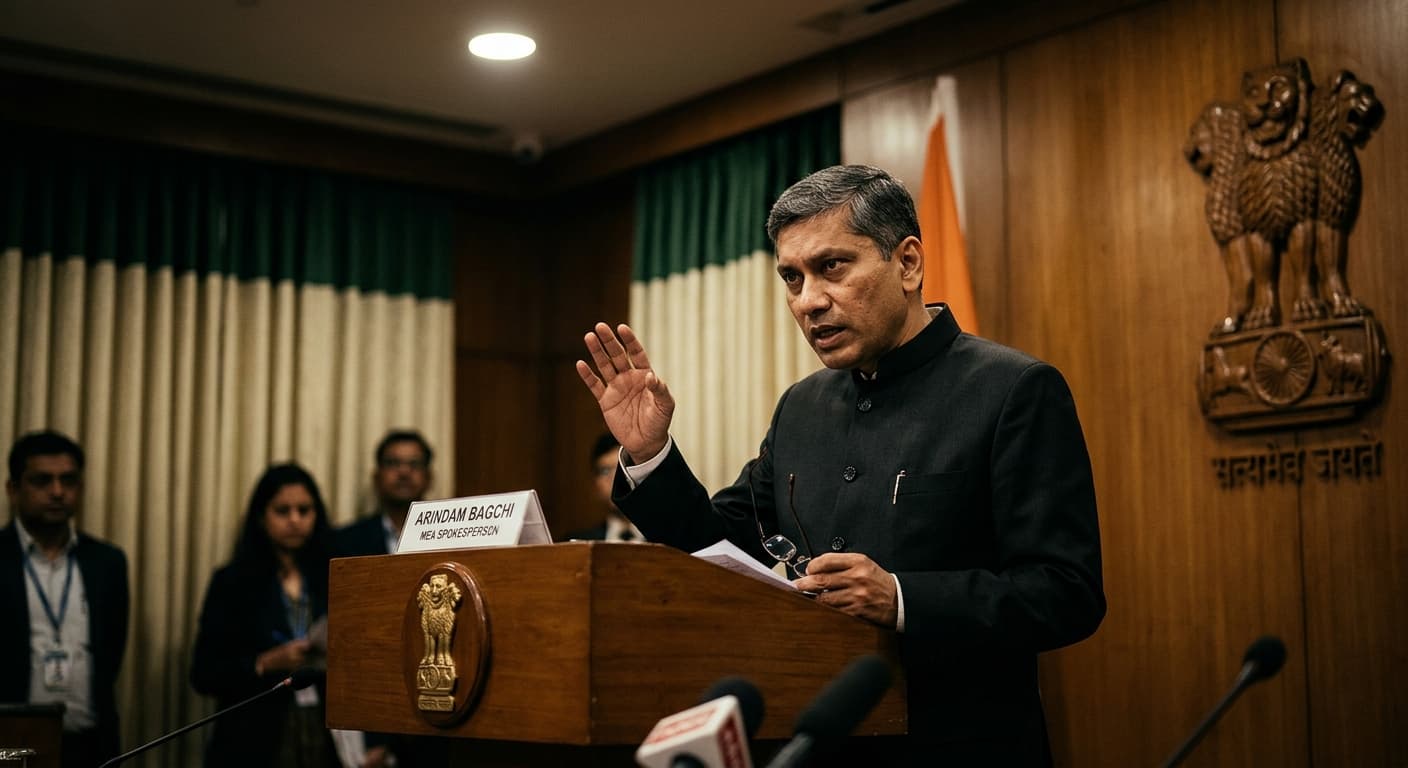
India Rejects Zardari's Mosque Comments
India's MEA rebukes Zardari's mosque comments, citing Pakistan's human rights record.
India
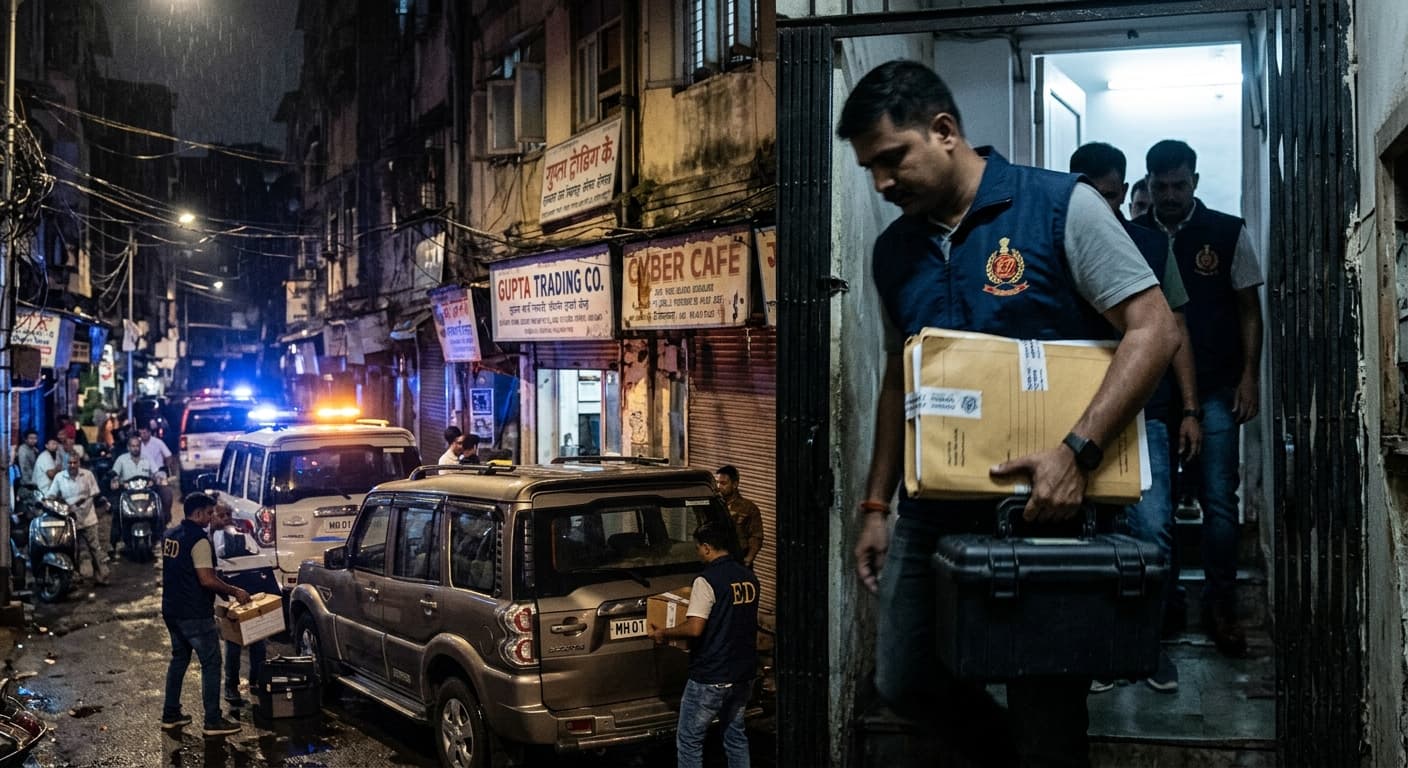
ED's Rs 2,500-Crore Crypto Raid Signals Hard
India's ED raids expose a major crypto-remittance regulatory bypass.
International Relations
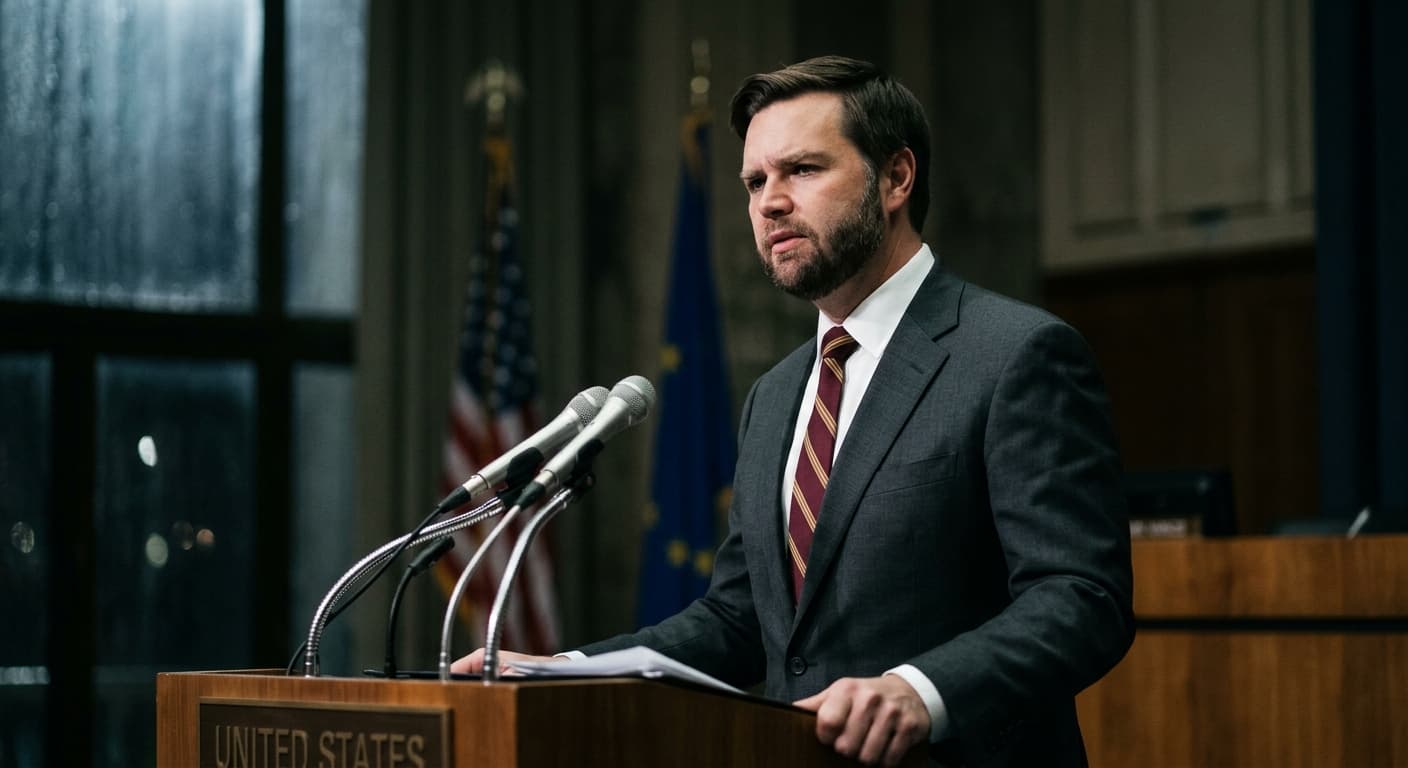
Vance's Gambit: Iran Deal Amidst Chaos
Can VP Vance secure an Iran deal amid escalating tensions in the region?