UK Rail Disruptions
Brighton line chaos reveals critical UK infrastructure challenges.
Model Diplomat2 min readEurope
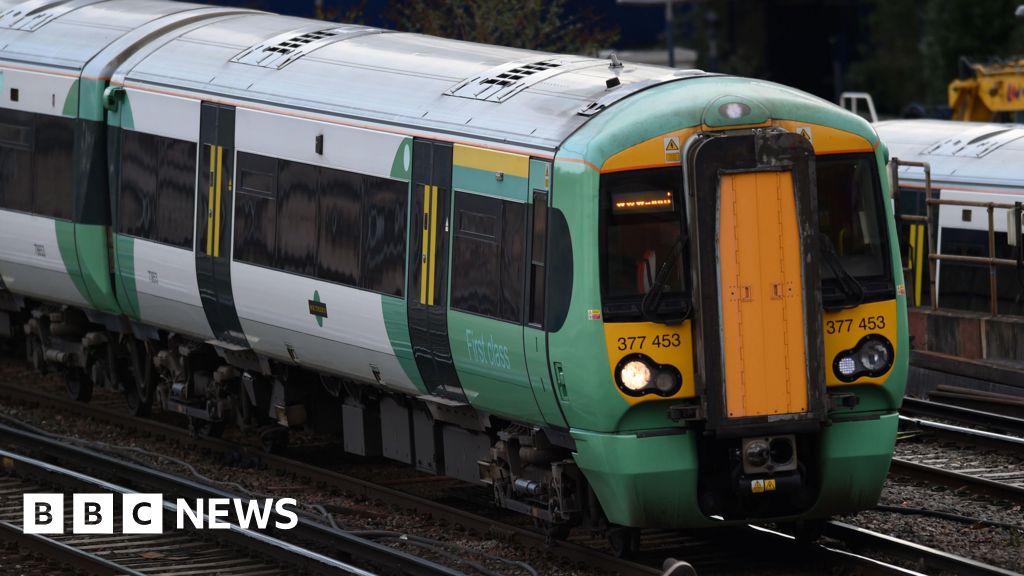
UK Rail Failure: Brighton Line Chaos Signals Infrastructure Woes
Major rail disruptions plague the Brighton line as a critical power failure grounds services. This incident highlights UK infrastructure resilience challenges, impacting commuters and the economy.
Significant rail delays have paralysed the Brighton line following an emergency incident that crippled power supply across the network on May 5, 2026. Services ground to a halt, stranding thousands of commuters and disrupting freight movements critical to the UK’s wider economic activity. The incident’s nature, a substantial power failure, immediately placed pressure on Network Rail to restore services and on the UK government to address the underlying causes of such critical infrastructure vulnerability.
The Strain on National Infrastructure
The power failure along the Brighton line reveals the fragility underpinning key national infrastructure. As the primary operator responsible for the rail network, Network Rail is under acute scrutiny to explain the failure and expedite repairs. The immediate consequence is severe disruption for hundreds of thousands of daily commuters travelling between Brighton and London, impacting their productivity and adding direct costs through alternative travel arrangements. Beyond passenger services, the route is a vital artery for freight, meaning delays here can cascade, affecting supply chains and potentially international trade links if goods were destined for key ports or cross-border transit. This event underscores a recurring challenge for the United Kingdom: maintaining and upgrading an aging infrastructure network to meet 21st-century demands.
Infrastructure as a Soft Power Metric
In an era where national competitiveness is increasingly tied to the efficiency and reliability of its physical and digital networks, such incidents carry geopolitical weight. A nation’s ability to manage and maintain its critical infrastructure serves as a tangible indicator of its governance competence and economic stability, influencing investor confidence and international partnerships. The Brighton line failure, originating from a power grid issue, prompts questions about the robustness of the UK’s energy and transport interdependencies. While the immediate impact is domestic, persistent infrastructure failures can erode a nation's international standing, signalling potential weaknesses in its economic resilience and its capacity to sustain growth and trade flows necessary for its global economic standing. The government’s response, detailing its strategy for immediate restoration and long-term investment, will be parsed for its effectiveness in shoring up this critical aspect of national power.
What to watch next: The immediate focus will be on Network Rail’s timetable for full service restoration and the findings of their investigation into the power failure's root cause. Beyond that, policymakers will be scrutinizing any announced increases in infrastructure funding or operational reforms aimed at preventing similar widespread disruptions. The next critical decision point will likely be the government’s autumn budget, where allocations for infrastructure maintenance and upgrades will signal its priorities.
Discover more

International Relations
Economist Impact Sustainability Week 2026
Explore the highlights from Economist Impact Sustainability Week 2026, focusing on energy transition, AI, and supply chain resilience.

India
Romanian Coalition Party Demands PM Resign
Romania's PSD demands PM Ciolacu's resignation, risking a political crisis and economic instability. Will the coalition hold?

Conflict & Security
Kyauktaw Airstrike: Junta Tactics in Rakhine
Myanmar military airstrike in Kyauktaw kills at least seven civilians, reflecting a desperate strategy against ethnic opposition.

India
Wang Yi's Delhi Trip Signals China's Play
Wang Yi's visit to India highlights China's strategic positioning in BRICS.