TVK's Historic Win Disrupts Tamil Nadu Power
Vijay's party shakes up traditional power dynamics in Tamil Nadu.
Model Diplomat3 min readAsia
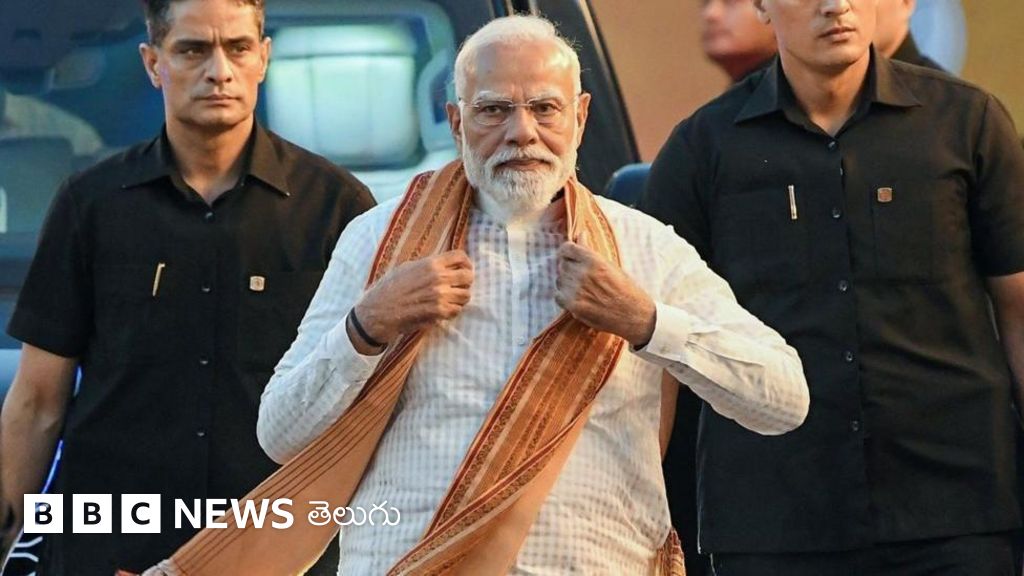
TVK’s debut cracks Tamil Nadu’s old power formula
Vijay turned anti-incumbency into a breakthrough, but the real fight now is over numbers, alliances, and who can still claim the mandate.
Tamil Nadu’s verdict has broken the state’s familiar duopoly: actor C. Joseph Vijay’s Tamilaga Vettri Kazhagam (TVK) emerged as the single largest force, pushing the DMK into opposition territory and leaving the AIADMK behind, according to The Hindu. BBC Telugu’s question — whether rivals can learn from TVK’s win — is the right one, because this was not a routine seat swing but a structural shock to Tamil Nadu politics (
BBC News తెలుగు;
The Hindu).
Why TVK won where the old parties slipped
The immediate lesson is that Vijay converted personality into organization faster than rivals expected. The Hindu’s reporting says TVK’s campaign cast the contest as TVK versus DMK, while treating the BJP as an ideological adversary; that framing appears to have consolidated anti-incumbency, pulled in first-time voters, and resonated with women and younger voters (The Hindu). That matters because the Dravidian majors have long depended on party machinery, local networks, and coalition loyalty. TVK has shown that in a highly polarized state, a single, credible challenger can still bypass that machinery if it owns the anti-incumbency mood.
For readers tracking how elections reshape party systems, this is a clean case study for India and broader
Global Politics: when voters want change, they often reward the actor who offers the simplest story.
The opposition’s problem is bigger than one bad result
The opposition’s first mistake was assuming the old math would hold. The Hindu says the state’s voters delivered a result that neither the DMK nor AIADMK had been able to reverse, and that TVK’s debut disrupted the bipolar order that has defined Tamil Nadu for decades (The Hindu). The deeper lesson for opposition parties elsewhere is blunt: fragmented anti-incumbency helps the freshest brand in the room. If rivals do not coordinate early, a new entrant can harvest discontent without having to build the entire coalition from scratch.
That also means the DMK and AIADMK are now fighting different battles. The DMK has to defend its governing record. The AIADMK has to explain why it failed to own the anti-incumbency vote. Both now have to respond to a TVK that proved it can win without the old alliance architecture.
What to watch next
The next decision point is government formation. On May 6, Governor Rajendra Vishwanath Arlekar reportedly asked Vijay to prove support from 118 MLAs — the majority mark in the 234-member House — after TVK’s post-poll outreach produced only partial backing so far, with Congress declaring support and the AIADMK rejecting it, according to The Hindu. That tells you where the leverage sits now: TVK won the verdict, but coalition arithmetic will decide the government.
Watch the next 24–48 hours: whether the Congress converts its backing into Cabinet seats, whether any smaller parties move, and whether Vijay can turn electoral momentum into a functioning majority. That will determine whether this was a one-cycle upset or the start of a new Tamil Nadu system.
Discover more
India
Rajnath Singh's Durga Squad for 2026 Polls
Rajnath Singh's 'Durga Squad' initiative targets women's safety ahead of Assembly Elections 2026, contrasting with Rahul Gandhi's southern campaign.
India
CPI MP Accuses PM Modi of MCC Violations
CPI MP P Sandosh Kumar alleges PM Modi violated MCC during Tamil Nadu visit, raising serious election integrity issues ahead of 2026 Assembly elections.
India
Modi's Women’s Convention in Varanasi
PM Modi's upcoming women’s convention in Varanasi aims to boost support ahead of West Bengal elections, highlighting women's empowerment initiatives.
Global Politics
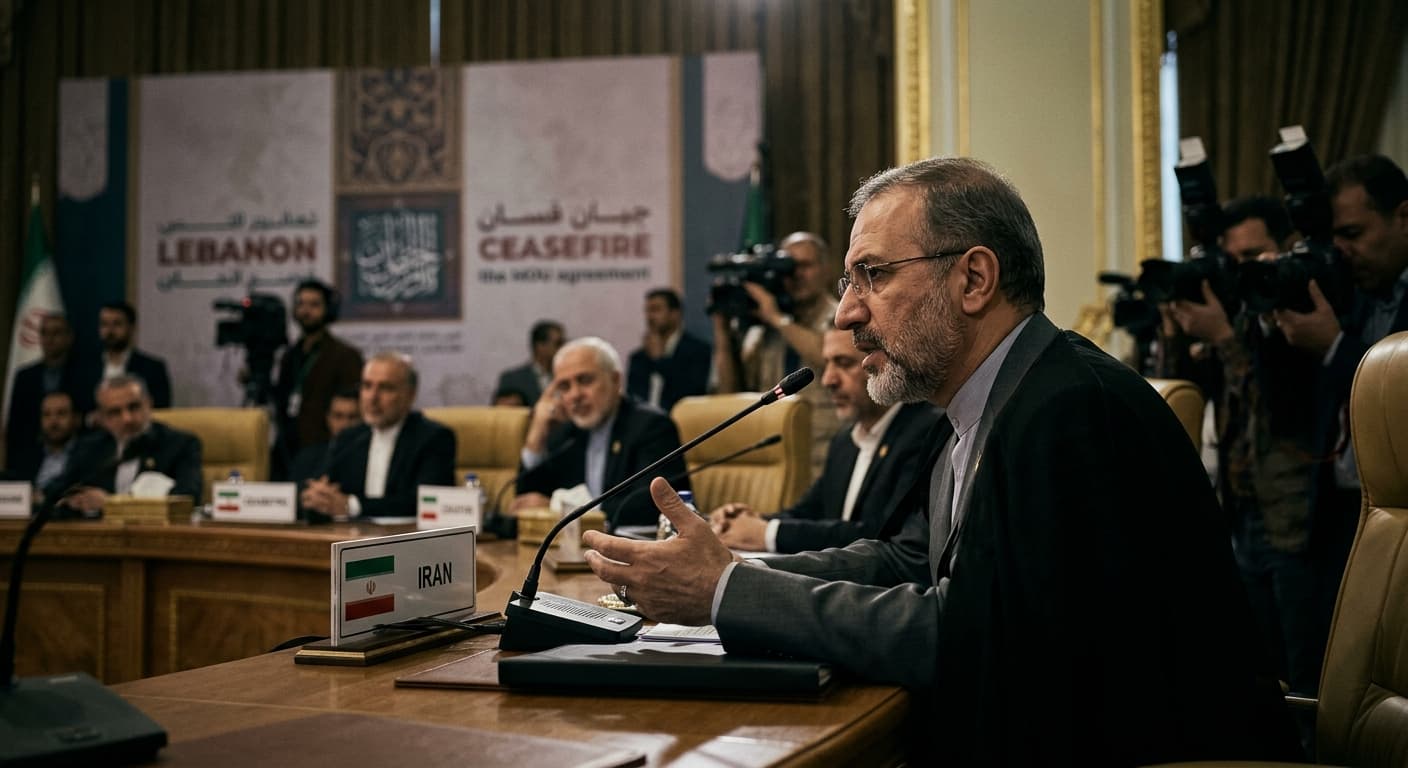
Iran Demands US Enforce Ceasefire
Iran insists the US must enforce a ceasefire in Lebanon to uphold the MoU.