Turkey's 35% Electrification Bet
Ankara's $28B grid overhaul and Caspian-to-Europe power corridors
Model Diplomat3 min readEurope
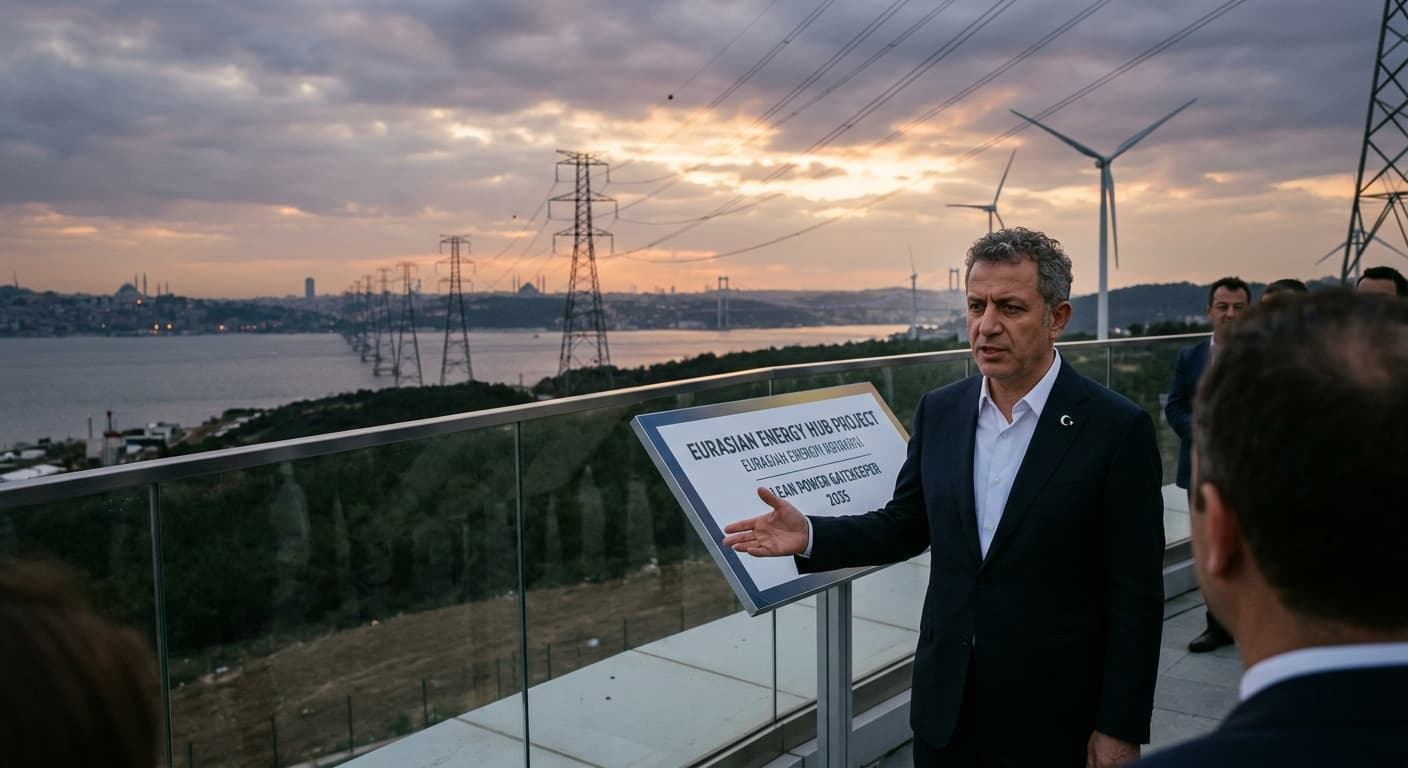
Turkey's 35% Electrification Bet Is Really a Grid Power Play
Turkey's COP31 presidency proposes raising global electrification from 20% to 35% of final energy demand by 2035 — a target that legitimizes Ankara's $28 billion grid overhaul and Caspian-to-Europe power corridors, positioning Turkey as the gatekeeper of clean electrons to the EU.
On June 10, 2026, COP31 President-Designate Murat Kurum stood at the Bonn Climate Change Conference and proposed a global goal: raise electricity's share of final energy demand from roughly 20% today to 35% by 2035. The target, unveiled by Turkey's environment, urbanization and climate minister, is designed to anchor the COP31 agenda when the summit convenes in Antalya this November (World Resources Institute). The framing is climate leadership; the substance is infrastructure diplomacy. Turkey is converting a domestic energy-security gamble — a $28 billion grid rebuild and a 120-gigawatt renewables build driven by import dependence — into a global target that makes the very corridors it controls indispensable to Europe's clean-power demand. The EU's parallel electrification push, published one month later, creates the demand pull; Turkey's grid provides the physical supply path. Azerbaijan supplies the generation. Russia's leverage erodes. That is the architecture underneath a seemingly technocratic climate proposal.
The target and the hand behind it
The 35%-by-2035 figure is not radical by technocratic standards. The European Commission's own Electrification Action Plan, published July 17, 2026, sets an indicative 46% electrification rate by 2040 and a nearer-term KPI of 32% by 2030 — numbers that bracket Turkey's proposal comfortably (European Commission). The EU's electrification rate has stagnated at 23% for a decade, compared with over 30% in China, Korea and Japan. WRI endorsed Kurum's goal, with Global Impact Director Jessica Isaacs calling clean electrification "the bedrock of the global energy transition" and noting surging demand from transport, heat, AI and cooling (
WRI).
What makes the Turkish proposal strategically distinctive is who is pushing it and what they are building underneath. Turkey won the COP31 host role in a precedent-breaking compromise with Australia: Ankara holds the political presidency and the Action Agenda; an Australian representative serves as President of Negotiations with exclusive authority over the talks; Pacific island states lead the Pre-COP in Fiji and Tuvalu (United Nations in Türkiye). That split means Turkey controls the summit's thematic staging — the electrification goal, resilient cities, green industrialization — while Australia carries the negotiation risk. SETA, the Ankara-linked foundation advising the presidency, framed COP31 as "The Implementation COP," arguing that the value of the Antalya summit depends on its ability to strengthen the link between "general framework" and "actionable step" across each agenda item (
SETA). The electrification target is Turkey's signature actionable step — and it maps directly onto assets Ankara is already pouring capital into.
The grid that makes the target credible — or hollow
Turkey's domestic backbone gives the proposal teeth it would otherwise lack. The Ministry of Energy and Natural Resources' October 2024 "Renewable Energy 2035" strategy raised the variable-renewable capacity target from 60 GW to 90 GW additional by 2035 — quadrupling the current 31 GW to 120 GW of solar and wind (World Bank). The 2022 National Energy Plan envisions total installed capacity reaching 189.7 GW by 2035, with renewables comprising 64.7% — and 43.5% from intermittent sources requiring massive grid flexibility (
World Bank).
To carry that volume, MENR committed for the first time to high-voltage direct current technology: 40 GW of HVDC corridors, 14,700 km of lines, 40 converter centers by 2035. The grid overhaul is priced at $28 billion through 2035, roughly $2.8 billion annually — nearly quadrupling Turkey's average annual grid investment budget (World Bank). Crucially, Turkey is simultaneously boosting cross-border interconnection. Export capacity to neighbors rises from 2,280 MW to 6,750 MW; import capacity from 1,360 MW to 6,600 MW. That is not an autarkic build-out. It is a bid to be the physical pivot for Caspian and Central Asian renewables reaching European demand.
The World Bank's ECARES program already finances Azerbaijan's grid to export green energy "from Central Asia and the South Caucasus to Türkiye and Europe," with the AZURE project providing a $173.5 million IBRD loan to strengthen Azerbaijan's transmission network and connect 1 GW of privately developed renewable generation (World Bank). The logic is explicit: Azerbaijan positions itself as "a reliable exporter of renewable energy," replicating its gas success story for clean power.
Discover more
India
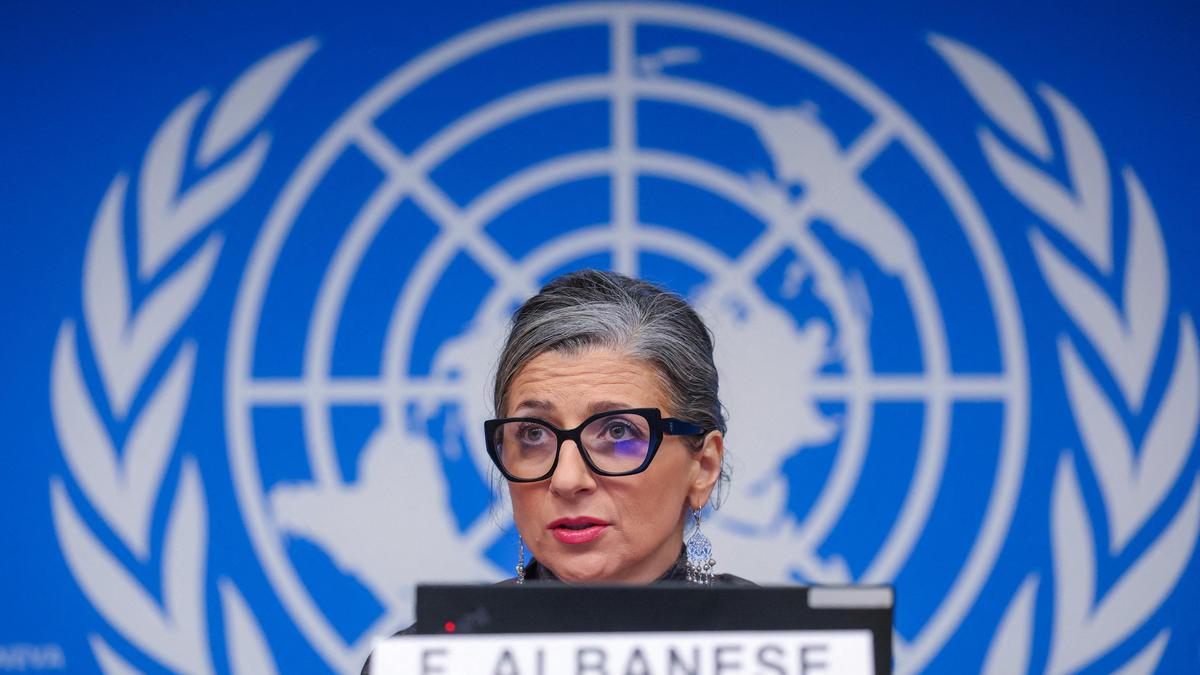
UN Expert Albanese: India Violates Law
UN Rapporteur Francesca Albanese accuses India of breaching international law, spotlighting human rights concerns in Kashmir and prompting diplomatic pushback.

India
BJP's Misunderstanding of Women's Quota Needs
The BJP's linking of the Women Reservation Bill to delimitation risks delaying women's empowerment in India, misreading the aspirations of female voters.
India
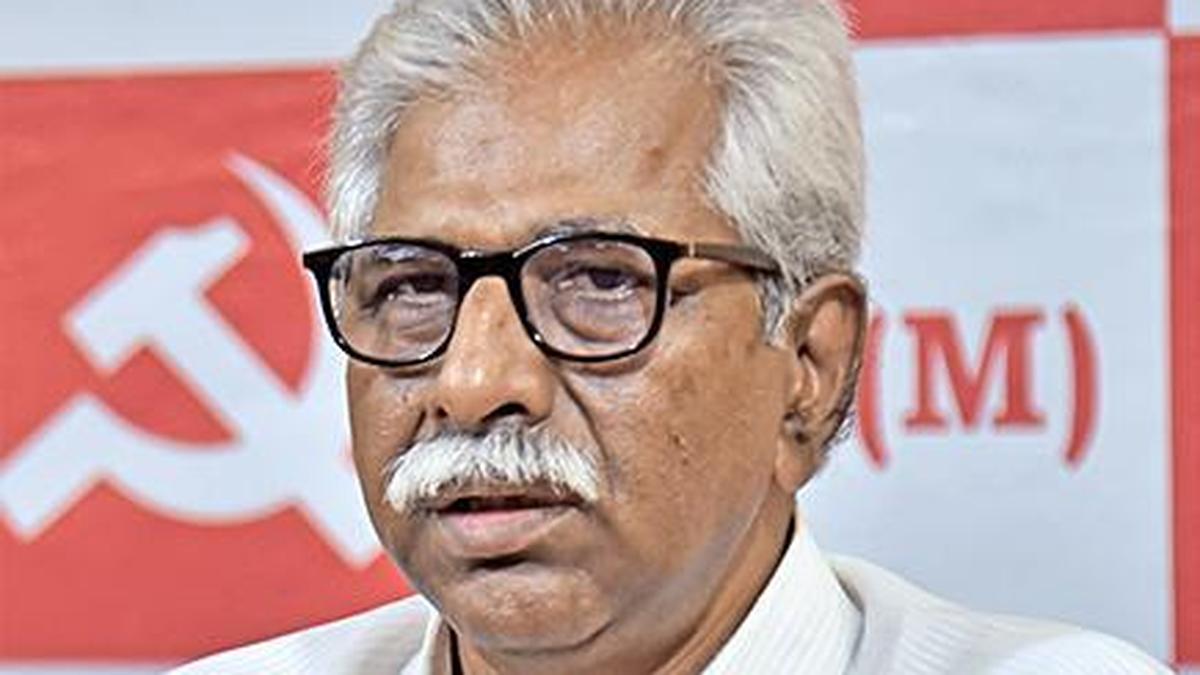
CPI(M) Calls to Decouple Quota from Delimita
CPI(M) advocates for a 33% women's quota in Lok Sabha by 2029, removing the need for delimitation and census linkage.

Economics
Fed's Amex AML order puts correspondent banking on notice
Federal Reserve's Amex AML order requires board-level controls and a 90-day plan; OCC fined the bank $350 million over enterprise-wide deficiencies.