Trump’s USCIS Pushes Most Green-Card Applicants Abroad
USCIS is narrowing in-country residency applications, shifting leverage to consulates and raising the cost of legal migration for many temporary visa holders.
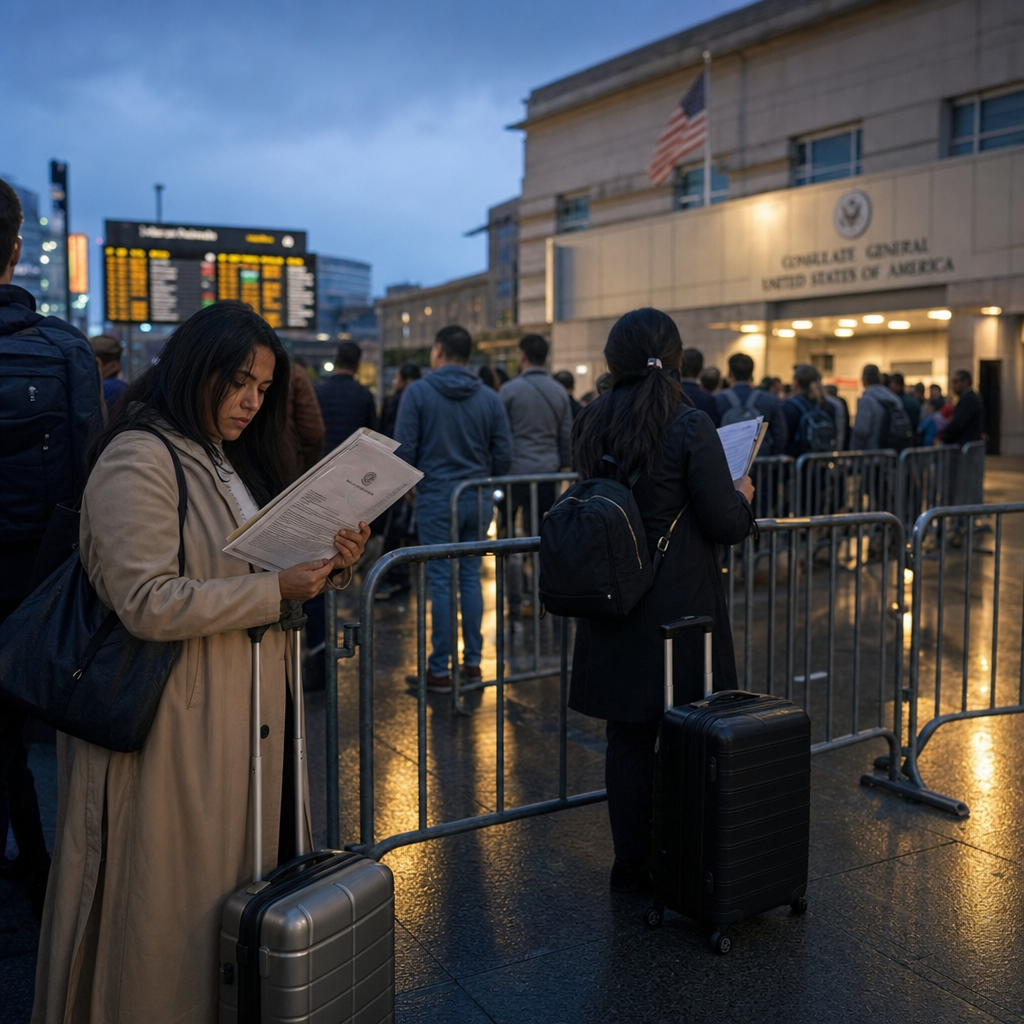
USCIS has told most people on temporary visas that if they want a green card, they should leave the United States and apply from abroad, a sharp break from the long-standing “adjustment of status” route that let applicants stay put while their cases were processed, according to  BBC News አማርኛ and
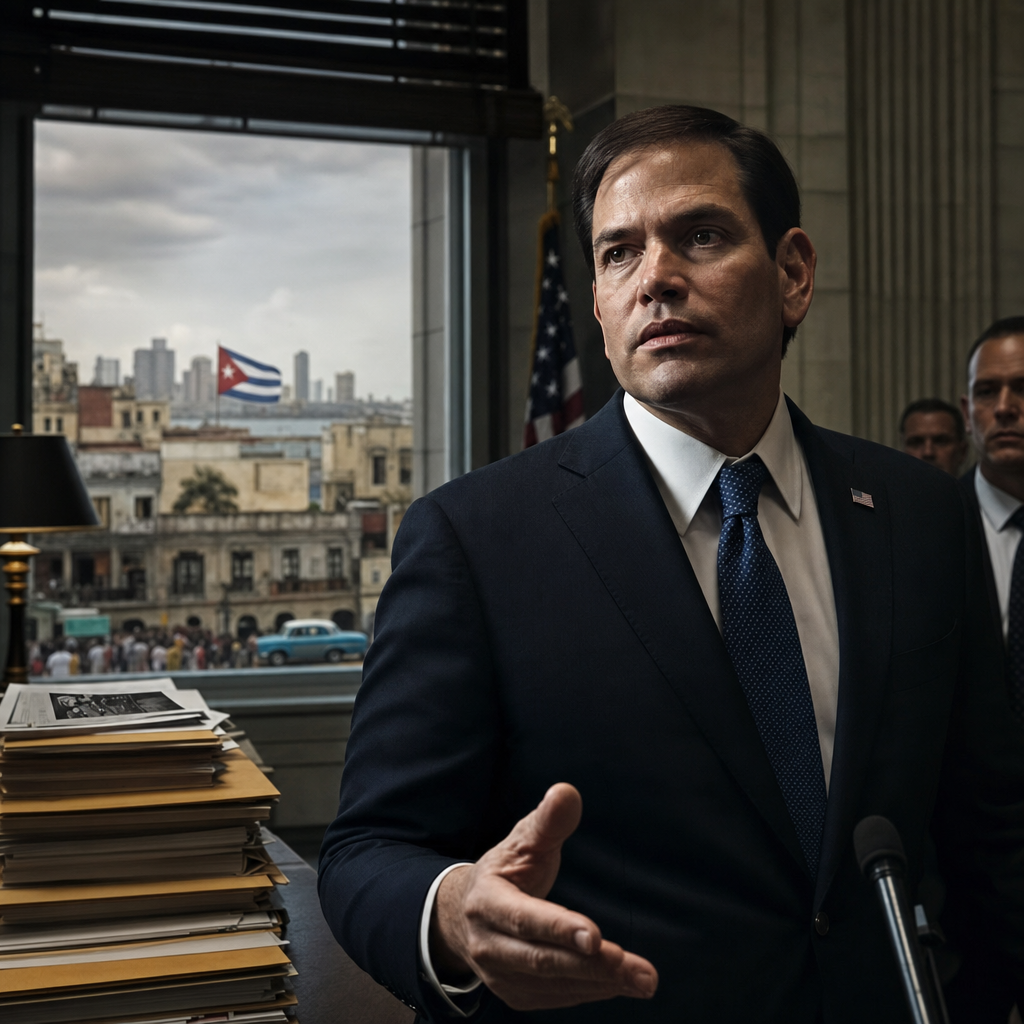
  Al Jazeera. USCIS says the change is meant to close loopholes and force the system back toward the way the law was designed, with officers weighing each case individually, including visa overstays, unauthorized work, fraud, and compliance with admission terms, according to Al Jazeera. The practical effect is to move leverage away from applicants and toward the government’s consular gatekeepers.
Why this matters
This is more than a paperwork tweak. For years, in-country adjustment has been the bridge that lets students, workers, spouses, and other nonimmigrants move from temporary to permanent status without breaking jobs, school, or family life; BBC News Mundo says the new rule means most applicants will now have to file through a U.S. consulate in their home country. That matters because leaving the country can reset timelines, trigger inadmissibility risks, or strand people abroad if their visa stamp is delayed or denied. The people most exposed are not abstract “migrants” but concrete groups: foreign students, spouses of U.S. citizens on temporary visas, trafficking survivors, abused children, and other applicants who may have been building a lawful path to permanence from inside the country, according to BBC News Mundo and Al Jazeera.
The policy also hits a larger pipeline the administration appears determined to constrict. Brookings notes that roughly three-quarters of employment-based green cards are issued through adjustment of status, meaning the in-country pathway is not a niche exception but a central channel in the immigration system, according to  Brookings. That gives the White House two wins at once: it lowers the number of people who can convert temporary legal presence into permanence, and it increases the pressure on anyone who is in the country but not yet secure. For employers, universities, and U.S. families, the cost is predictability. For DHS and the Trump team, the benefit is control.
What to watch next
The next decision point is how USCIS applies the exceptions. BBC News Mundo says applicants with “dual intent” visas such as H-1B workers may still use the usual route, and officers can still grant case-by-case waivers for people who would face danger if sent back. That means the real power now sits with line officers and consular posts, not just the published rule. Watch whether USCIS issues clarifying guidance on humanitarian exceptions, and whether immigration lawyers begin filing challenges over family-based cases and vulnerable applicants who are forced out of the country mid-process. The date that matters is the first wave of denials and waiver decisions — that will show whether this is a narrow procedural tightening or a broader effort to shut the in-country green-card lane altogether.