Trump’s Ukraine Truce Exposes the Real Leverage
The three-day ceasefire is less a peace deal than a test of optics and control: Moscow wants parade security, Kyiv wants room to keep pressure on Russia.
What changed
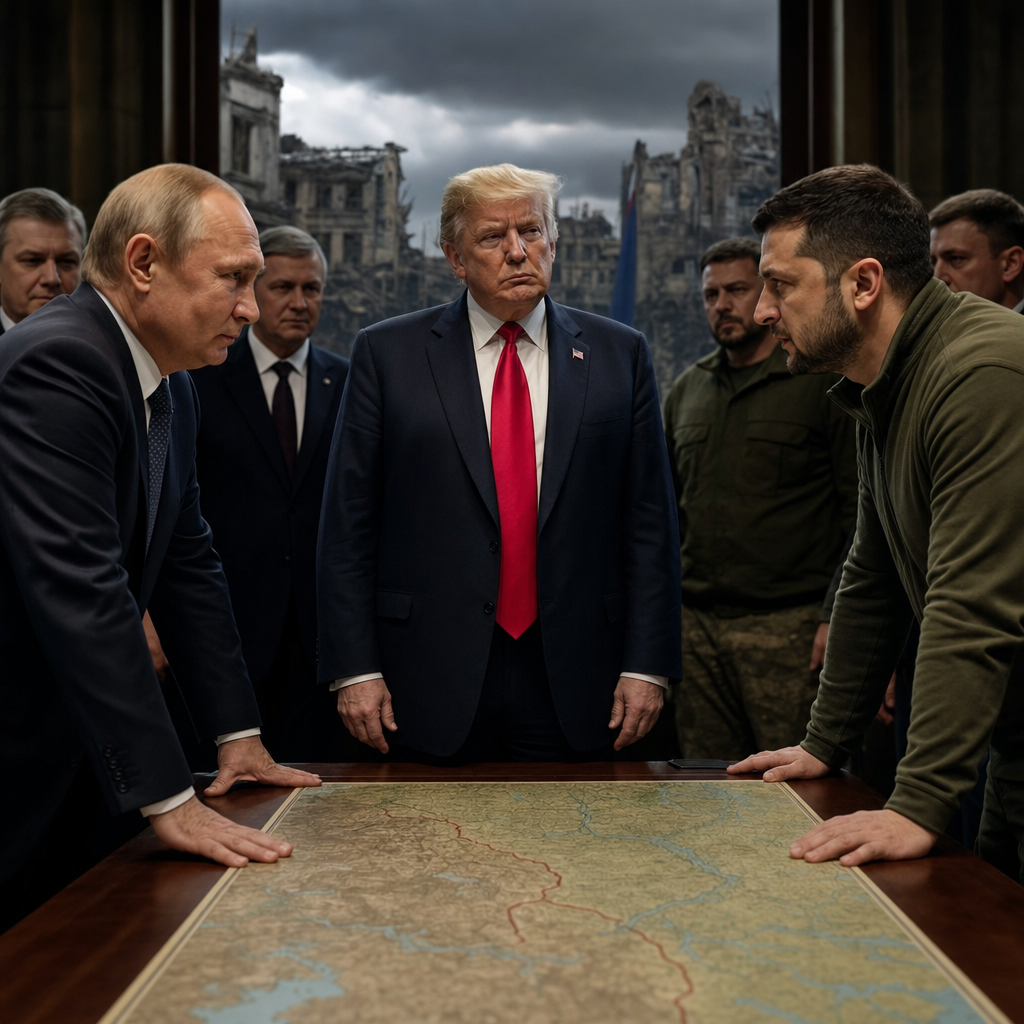
Donald Trump said Friday that Russia and Ukraine had accepted a three-day ceasefire and a 1,000-for-1,000 prisoner swap, calling it a step toward ending the war, but both sides were already accusing each other of violations by Saturday ( France 24,
  BBC). Ukraine said Russia had carried out 51 attacks since the start of the day and launched 44 drones after 18:00 GMT Friday; Russia said Ukrainian drones and artillery hit its positions despite the truce (France 24,
  Reuters).
That matters because the ceasefire sits on top of a familiar pattern: Ukraine and Russia have been trading short, unilateral truces around the May 9 Victory Day commemorations, and neither side has treated the pauses as binding restraints on operations (Reuters,  NPR/AP).
Why it matters
The leverage here is asymmetrical. Moscow benefits most from a symbolic pause: a quieter air-defense environment for its Victory Day parade, reduced risk of drone embarrassment, and a chance to frame itself as the party willing to pause for peace if Kyiv cooperates (France 24, NPR/AP). The Kremlin had already warned that any disruption could trigger a “massive missile strike” on Kyiv and told foreign diplomats to leave the city before May 9 (BBC, Reuters).
Kyiv, by contrast, gains little from a short stop-start arrangement that does not freeze the front. Ukraine has used drones to hit targets deep inside Russia, while Russia has kept up strikes on Ukrainian cities and border regions; both sides are now treating the truce as a propaganda contest, not a substantive halt ( Al Jazeera, Reuters). For Washington, Trump can claim a diplomatic win only if the ceasefire holds long enough to justify the prisoner exchange. Otherwise, it is another reminder that the White House can broker headlines faster than it can impose discipline on either combatant. See
  Conflict and United States.
What to watch next
The next decision point is whether the ceasefire extends beyond May 11. A short truce that expires on schedule will confirm that both capitals are using Trump’s announcement to manage political optics around Victory Day; a longer extension would be the first sign that the U.S. still has enough leverage to shape battlefield behavior (France 24, BBC).
Watch three things: whether prisoner exchanges begin at all, whether drone attacks on Russian infrastructure and Ukrainian cities drop after May 11, and whether Washington presses for a broader ceasefire framework rather than another short, ceremonial pause (France 24, Al Jazeera).