Trump's Power Over Speech
Analyzing Trump's influence on critics through legal and media pressure
Model Diplomat3 min readNorth America

Comey and Kimmel show how Trump wields power over speech
CNN’s latest cases spotlight Trump’s leverage over critics: prosecuting Comey, pressuring Kimmel via regulators—testing First Amendment guardrails.
CNN’s new analysis ties two fronts together: the criminal case against former FBI Director James Comey and the campaign that sidelined late-night host Jimmy Kimmel—both illustrating Donald Trump’s readiness to use state power and regulatory pressure to punish critics Comey and Kimmel cases drive home Trump’s dim view of foes’ free speech | CNN.
The power dynamic: coercive leverage, two venues
- The White House holds direct leverage over prosecutions and indirect leverage over broadcasters. In the Comey case, Trump’s public demands for charges created a political frame for DOJ action; legal experts say those statements could fuel a “vindictive prosecution” defense by showing retaliatory motive—an unusual but live risk to the case’s viability
James Comey: Donald Trump’s own words could doom the criminal case | CNN. Comey faces two felony counts tied to alleged false statements to Congress about leaks [ibid.].
- On the Kimmel front, Trump’s ally and then-FCC Chair Brendan Carr used pointed public pressure—threats and signals rather than formal orders—that preceded ABC’s “indefinite” suspension of Kimmel’s show. No rulemaking, just leverage: broadcasters answer to FCC licensing, and affiliates read the cues
First Amendment advocates increasingly worried after ABC pulled Jimmy Kimmel's show | USA Today.
Who benefits and who loses:
- Beneficiaries: Trump consolidates narrative control; Carr amplifies regulatory clout; conservative media activists gain agenda-setting power.
- Losers: Comey (legal peril and reputational drag), ABC/Disney (constrained editorial space), late-night rivals (heightened equal-time risk), and ultimately independent agencies whose credibility takes a hit.
Why it matters: precedent and pushback
This is not isolated. CNN has documented a broader pattern of Trump leveraging executive power against adversaries—what it calls “open weaponization” of government Trump’s open weaponization of the government | CNN and a “radical turn” even by his own standards
Comey indictment shows how Trump has taken a radical turn | CNN. Courts have pushed back: federal judges—including some GOP appointees—repeatedly sided against elements of the administration’s First Amendment posture in 2025
Judges have looked unfavorably upon Trump in First Amendment cases | CNN.
Regulators are tightening screws, too. In January 2026, the FCC narrowed assumptions about blanket “talk show” exemptions under the Equal Opportunities rule—putting late-night bookings during campaign season on more precarious legal ground, and expanding the universe of potential complaints against programs like Kimmel’s peers FCC targets talk shows amid Trump’s fights with late-night TV | USA Today.
This matters because power—not law on the books—determines outcomes at the margin. Prosecutorial discretion and licensing risk are levers; public threats and “guidance” supply the pressure. The guardrails are the courts and internal resistance inside agencies.
For deeper U.S. dynamics, see Diplomat’s US Politics and the
United States profile.
What to watch next
- Comey case: Does the court grant discovery into White House–DOJ communications and entertain a vindictive-prosecution motion? A green light would be a major constraint on executive retaliation
- FCC-media front: Does the Commission move from guidance to enforcement letters or investigations tied to equal-time complaints in 2026 coverage? Any action would harden the chilling effect
- Corporate moves: Does ABC restore or permanently sever Kimmel? Affiliates’ risk calculus will follow FCC signals
Discover more
Global Politics
Trump's Conflicting Messages on Iran War
Trump's mixed messages on Iran reflect a strategy of audience management, benefiting Tehran amid a complex geopolitical landscape.

Conflict & Security
Drone Warfare Killing Aid Workers at Unprec
Over 1,000 humanitarian workers killed in three years as cheap armed drones collapse legal protections. Gaza, Sudan, Ukraine, and DRC see deliberate targeting of aid convoys and hospitals with zero prosecutions.
Global
World Normalises Taliban as Afghan Women Eras
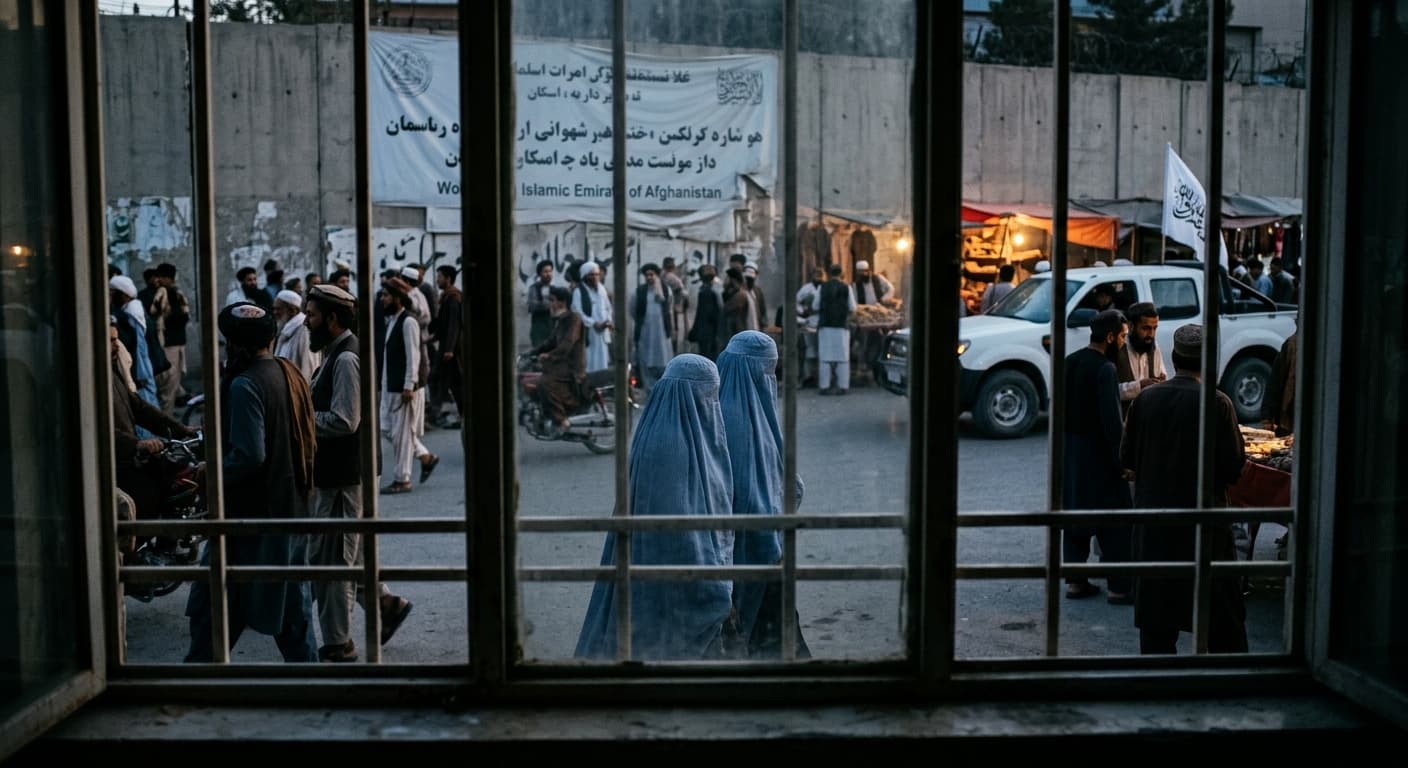
UN data shows Afghan women erased from public life as Russia recognises the Taliban, EU hosts officials in Brussels, and ICC warrants for gender persecution go unenforced.
Conflict & Security
West Africa Food Crisis: Three Shocks in 2026
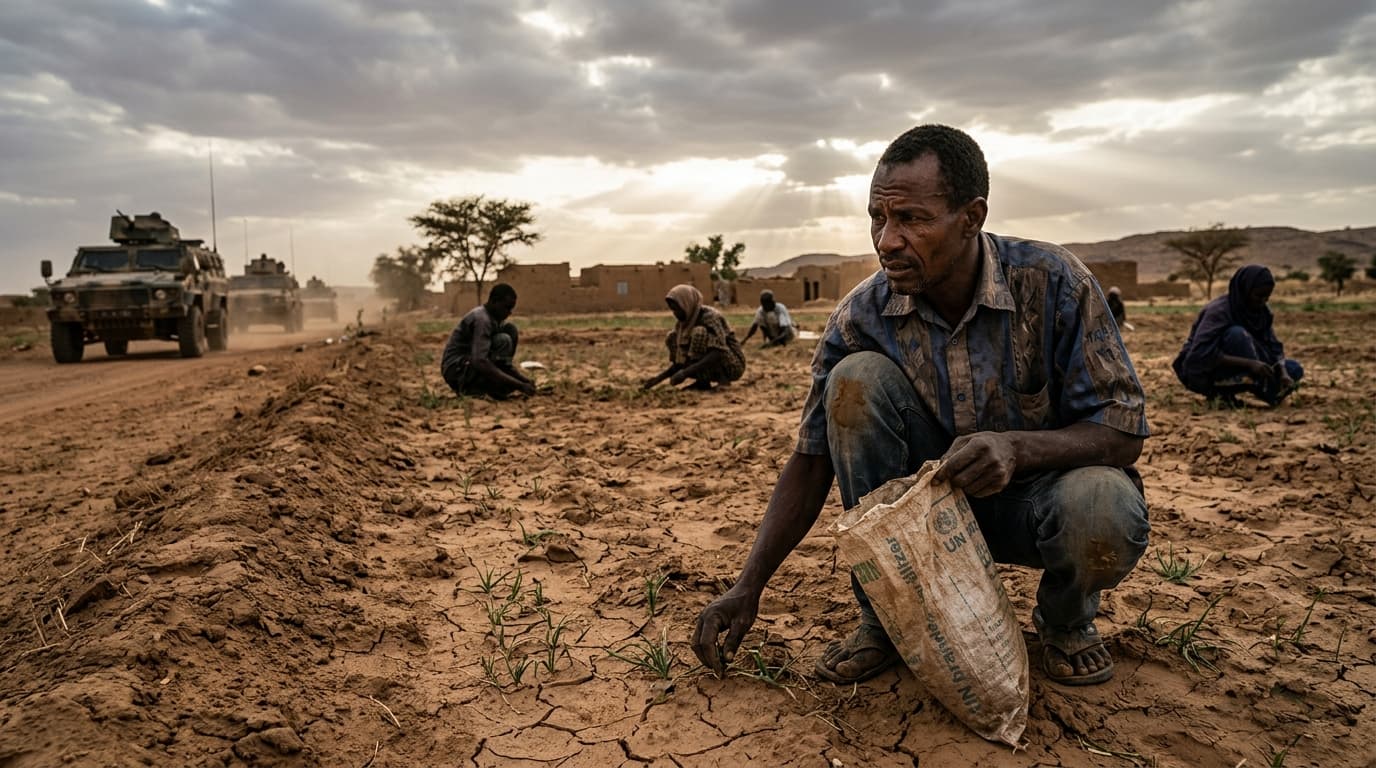
Conflict, climate extremes, and the Strait of Hormuz closure drive a severe food crisis in West and Central Africa, with fertilizer prices surging 80% and millions displaced.

