Trump's Marijuana Reclassification
Former President Trump plans to ease federal marijuana restrictions.
Model Diplomat3 min readUnited States
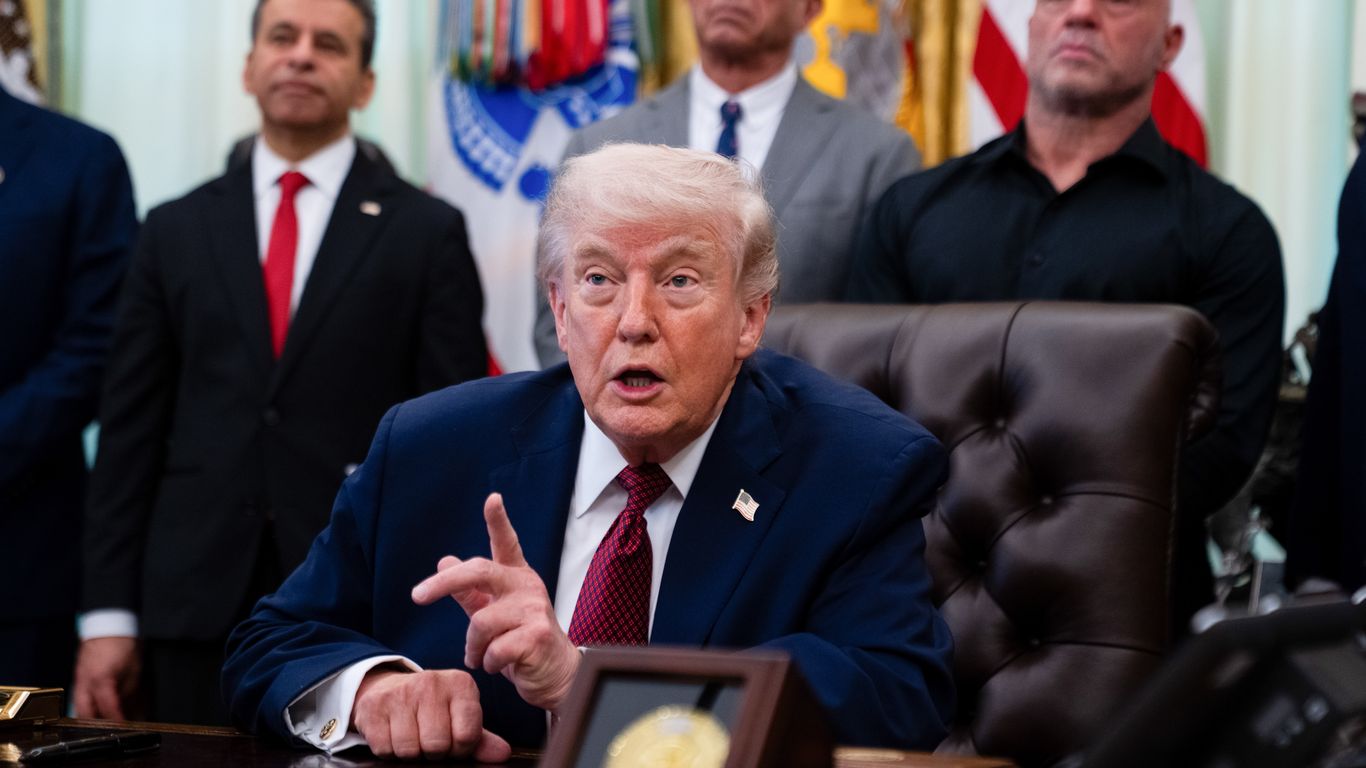
Trump Set to Reclassify Marijuana, Easing Federal Research Restrictions
Former President Trump moves to reclassify marijuana under federal law, signaling a major shift in US drug policy and research landscape.
Former President Donald Trump is preparing to reclassify marijuana, potentially easing longstanding federal restrictions on cannabis research and use, according to an Axios scoop released on April 22, 2026. This policy change would mark the first significant federal adjustment to marijuana’s legal status since the Controlled Substances Act of 1970, under which cannabis remains a Schedule I drug—defined as having no accepted medical use and a high potential for abuse.
Why Reclassification Matters
Marijuana’s Schedule I status has been a key obstacle for federal research funding and institutional approval of cannabis studies, severely limiting scientific understanding and potential medical breakthroughs. Reclassification would signal that cannabis is no longer in the most restrictive category, likely Schedule II or III, which permits regulated medical use and research, as with cocaine or opioids. This shift has the power to unlock billions in research dollars, ease barriers for pharmaceutical development, and encourage broader clinical trials.
Politically, this move continues the complex and often inconsistent trajectory of US marijuana policy. While many states legalized cannabis for medical or recreational use over the past decade, the federal government’s stance remained rigid, creating widespread tension and confusion. By initiating federal reclassification, Trump not only aligns with the expanding public support and bipartisan congressional momentum for cannabis reform but also asserts influence over drug policy ahead of the 2026 midterms.
Context: From Obama to Biden and Beyond
Previous administrations under Obama and Biden resisted full federal legalization but loosened enforcement and supported research expansions through executive and legislative measures. Trump’s potential reclassification is notable because it comes from a figure traditionally aligned with conservative drug policies. This pivot may reflect changing political calculations as public opinion has decisively shifted: recent polls indicate over 70% of Americans support legal marijuana access, a record high.
Moreover, reclassification would address problems faced by cannabis businesses and state regulators, such as banking restrictions and federal tax hurdles under IRS Code 280E, which disallows cannabis businesses from deducting standard expenses. While full federal legalization remains unlikely this year, reclassification is a pragmatic step easing legal contradictions between state and federal law.
What to Watch Next
Watch for the official announcement timing and any accompanying regulatory clarifications from the Department of Justice and Drug Enforcement Administration. Congressional reaction will also be critical; lawmakers from both parties have pushed for reform but differ on the extent and pace.
The legal cannabis industry and medical research community will monitor how rapidly federal agencies implement new rules and permit research approvals. Stakeholders should also alert to potential partisan backlash or opposition from drug watchdog groups and states with conservative cannabis policies.
Trump’s move could catalyze a domino effect nationwide, shaping the policy landscape for drug reform and healthcare innovation well beyond the 2026 election cycle. Its success or struggle will offer vital insight into the evolving relationship between federal authority and state-led cannabis policy.
For a broader understanding of US political dynamics influencing this development, see United States and
Global Politics.
Discover more

US Politics
House Ethics Committee Pushes Sexual Miscond.
The House Ethics Committee has shifted responsibility for sexual harassment settlement records to the Office of Congressional Workplace Rights, complicating disclosure efforts.
Global Politics
Trump's Conflicting Messages on Iran War
Trump's mixed messages on Iran reflect a strategy of audience management, benefiting Tehran amid a complex geopolitical landscape.

Conflict & Security
Drone Warfare Killing Aid Workers at Unprec
Over 1,000 humanitarian workers killed in three years as cheap armed drones collapse legal protections. Gaza, Sudan, Ukraine, and DRC see deliberate targeting of aid convoys and hospitals with zero prosecutions.

Global
World Normalises Taliban as Afghan Women Eras
UN data shows Afghan women erased from public life as Russia recognises the Taliban, EU hosts officials in Brussels, and ICC warrants for gender persecution go unenforced.