Trump's Legal Issues Impact GOP Midterms
Prosecutions overshadow GOP economic messaging ahead of elections.
Model Diplomat3 min readNorth America
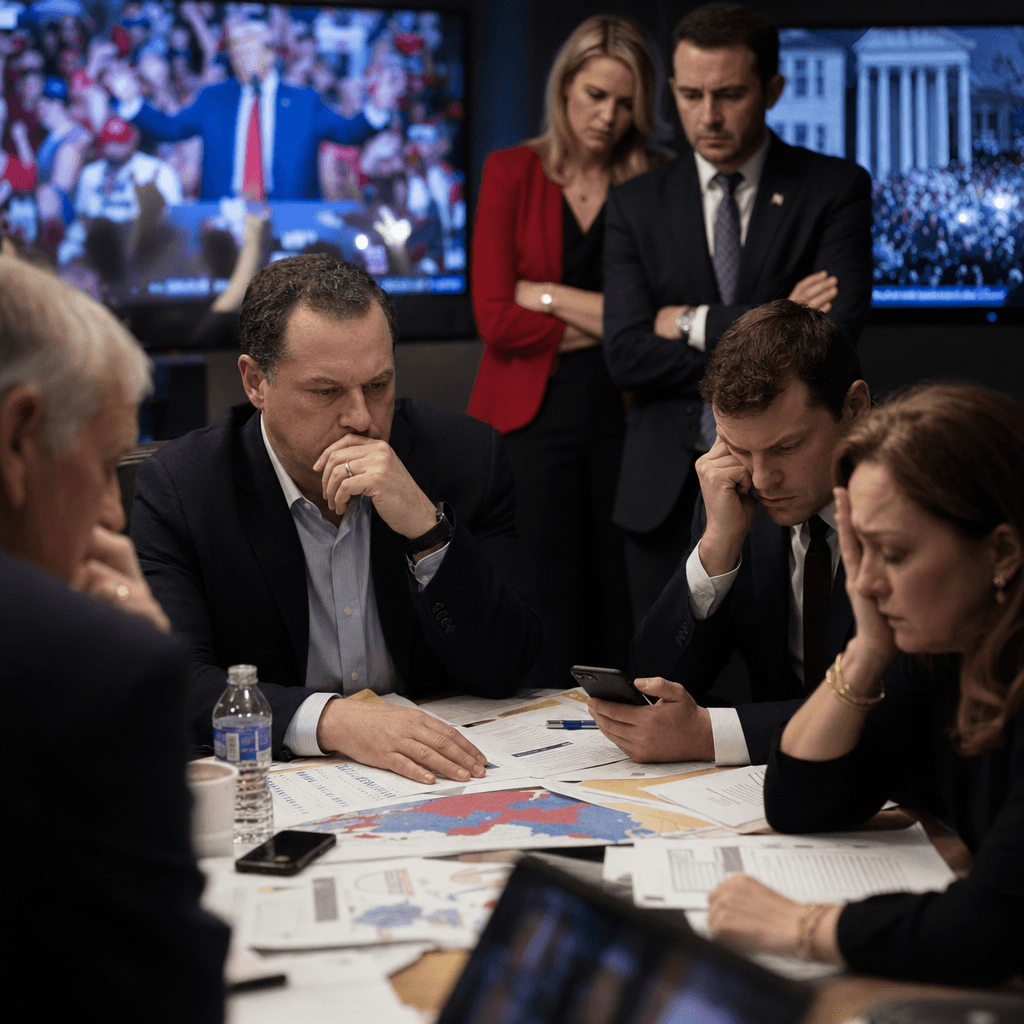
Prosecutions of Trump’s foes deepen GOP midterm risks
Trump’s DOJ push against political adversaries is eclipsing GOP economic messaging and forcing swing-district Republicans onto hostile terrain.
The leverage sits with courts and independent prosecutors, not the campaign committees. Donald Trump is driving a high-visibility push to prosecute perceived adversaries; Acting Attorney General Todd Blanche is executing early moves, including retooling a team probing former CIA Director John Brennan. That keeps the news cycle on “retribution,” not prices, crime, or the border—terrain Republicans prefer for November. Down-ballot Republicans don’t control the legal clock; judges, grand juries, and career DOJ lawyers do. Net effect: Democrats get daily earned media on abuse-of-power themes while GOP candidates field questions they can’t pivot from. The Washington Post
CNN
The leverage: prosecutions vs. persuadable voters
- Trump and Blanche command agenda-setting power: each investigatory step is a headline, crowding out GOP economic message discipline.
CNN
- Judges and career prosecutors hold brakes. Slow-walks, adverse rulings, or evidentiary setbacks can turn “strength” into “overreach,” feeding a narrative Democrats are primed to weaponize.
The Washington Post
- Winners: Democratic committees and candidates who can link prosecutions to rule-of-law concerns and motivate suburban, college-educated voters already wary of hardball tactics.
- Losers: House GOP incumbents in Biden-leaning districts and Senate recruits in blue/purple states who need split-ticket moderates; they inherit Trump’s legal fights without his base intensity.
Why this hurts in November
This piles onto existing Republican headwinds. The ongoing U.S. conflict with Iran is keeping gas prices and war costs in the conversation, undercutting standard GOP pocketbook appeals. Add the prosecutions storyline, and Republicans face a two-front narrative problem: foreign-policy liability plus domestic “weaponization” optics. That mix resembles cycles where the incumbent party’s brand—not just its candidates—became the ballot question. The Washington Post
Operationally, even if DOJ doesn’t secure convictions, the mere act of initiating probes sustains the issue through summer. The National Republican Congressional Committee and Senate counterparts can’t script around it if each court filing resets coverage. Conversely, Democrats can integrate it into a single line of attack—norms, stability, and checks—while still talking kitchen-table issues. For context and deeper coverage on the United States and
US Politics, see our ongoing briefings.
What to watch next
- Charging decisions and venue: Any high-profile indictment—especially linked to the Brennan track—before early fall would lock media attention where GOP strategists don’t want it.
- Judicial pushback: Early motions to dismiss or critical rulings will validate Democrats’ framing and pressure swing-district Republicans to distance themselves.
- Campaign pivots by vulnerable Republicans: Watch whether incumbents in Biden-won districts explicitly reject “retribution” rhetoric or go silent—both signal internal polling showing downside risk.
- Issue salience vs. Iran costs: If energy prices and war coverage intensify through August, prosecutions become the second punch, not the lead jab—amplifying overall GOP exposure.
This matters because the power center dictating the 2026 conversation isn’t the GOP campaign apparatus—it’s Trump’s DOJ calendar and the courts. Until that changes, Republicans are playing defense.
Discover more
Global Politics
Trump's Conflicting Messages on Iran War
Trump's mixed messages on Iran reflect a strategy of audience management, benefiting Tehran amid a complex geopolitical landscape.
US Politics
Next Generation Republicans
A leaked survey shows 39% of Republicans under 30 do not identify as MAGA, revealing a split in the GOP's future leadership.

Conflict & Security
Drone Warfare Killing Aid Workers at Unprec
Over 1,000 humanitarian workers killed in three years as cheap armed drones collapse legal protections. Gaza, Sudan, Ukraine, and DRC see deliberate targeting of aid convoys and hospitals with zero prosecutions.

Global
World Normalises Taliban as Afghan Women Eras
UN data shows Afghan women erased from public life as Russia recognises the Taliban, EU hosts officials in Brussels, and ICC warrants for gender persecution go unenforced.