Trump’s Iran Deal Could Reset the War
Ceasefire framework may reshape U.S.-Iran relations
Model Diplomat3 min readMiddle East
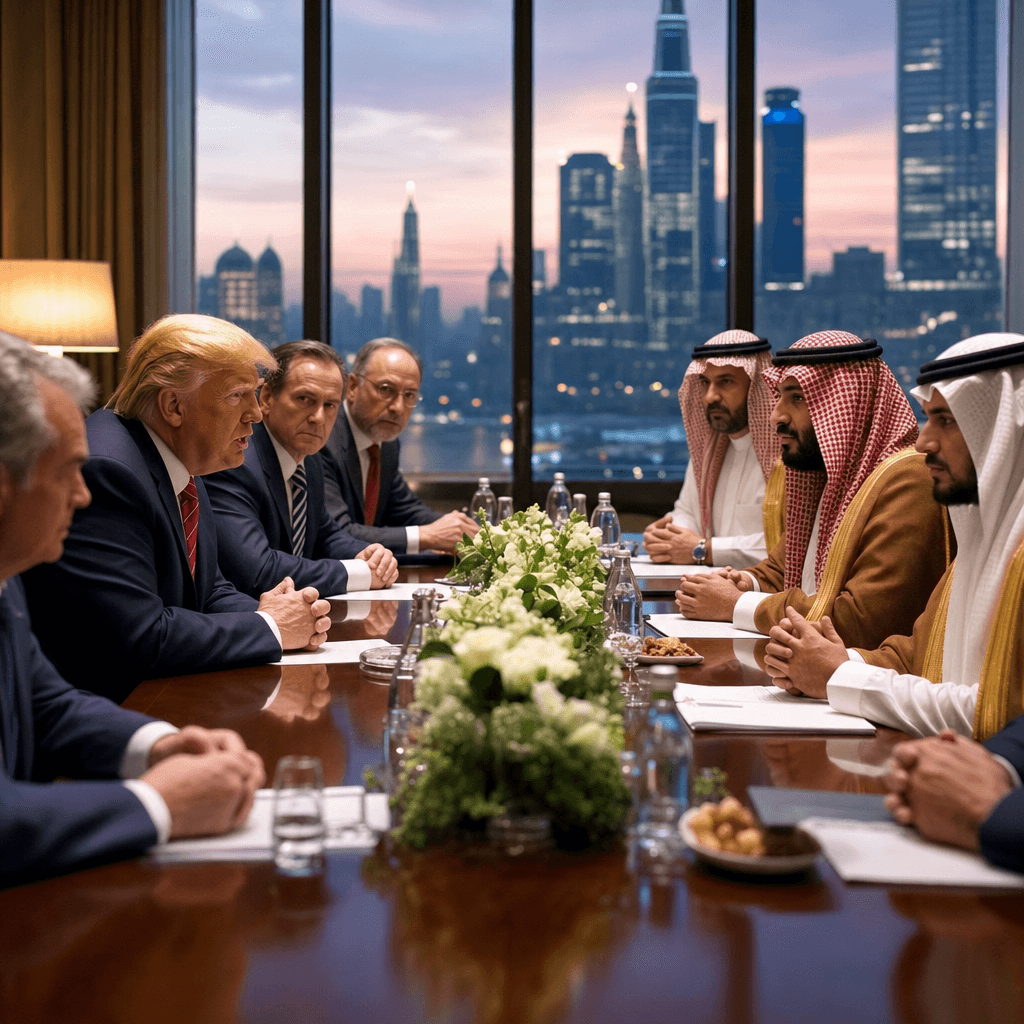
Trump’s Iran Deal Could Reset the War and Split GOP
Washington and Tehran are nearing a 60-day ceasefire framework that could reopen Hormuz, ease oil pressure, and expose how fragile the bargain still is.
President Donald Trump and Iranian negotiators are close to announcing the outline of an initial peace deal, one that would extend the ceasefire, reopen the Strait of Hormuz, and give both sides room for more talks on nuclear restrictions, according to POLITICO Playbook. If it lands, this would be the first real off-ramp in a war that has killed more than 6,000 people and rattled global energy markets. The power dynamic is straightforward: Trump wants a deal he can sell as coercive success, while Tehran wants sanctions relief and a pause in military pressure without conceding everything upfront.
The leverage is still military
Trump’s edge comes from force. The U.S. and Israel have already pummeled Iran’s infrastructure, and the threat of renewed strikes remains the pressure point behind the negotiations, as POLITICO and
The Globe and Mail both report. In the emerging framework, Iran would give verbal commitments on suspending enrichment and handing over, diluting, or transferring highly enriched uranium over a 60-day period, while the U.S. would gradually ease the blockade on Iranian ports and allow oil sales through sanctions waivers, according to
The Globe and Mail.
That structure matters because it tells you what each side is buying. Trump is buying a pause in a war that has already become a domestic liability through higher fuel prices and wider economic spillover. Iran is buying time, income, and legitimacy while avoiding the appearance of surrender. The reported deal is not a final settlement; it is a holding pattern designed to stop the bleeding.
The winners are obvious; the losers are too
The immediate beneficiaries are oil markets, shippers, and Gulf states that have been living with the choke point at Hormuz. Bloomberg reported Secretary of State Marco Rubio saying there could be “some good news” on the strait within hours, a sign the administration thinks it can stabilize the energy shock without waiting for a full nuclear accord.
The political beneficiaries inside Washington are Trump loyalists who want an end to the war fast. The losers are the hawks: Republicans who wanted a tougher posture on Iran, and Israeli hardliners who see any partial deal as a constraint on freedom of action. POLITICO says Prime Minister Benjamin Netanyahu has already flagged concern, and one Israeli official told CBS Israel would retain “operational freedom of action” in Lebanon. That is the unresolved fault line: Israel may accept a ceasefire, but not necessarily the strategic limits that come with it.
For Congress, this is a reminder of how little room it has to shape a fast-moving war once the White House decides to bargain. The intraparty fight is already visible, with MAGA voices celebrating the prospect of peace and hawks warning Trump is giving away leverage before Iran has made irreversible nuclear concessions, per POLITICO.
What to watch next
The next decision point is whether the administration announces a framework or stalls on the uranium issue. If Trump signs anything, the key test is whether the language goes beyond the Obama-era limits he once rejected. Watch for a statement from the White House, then for Tehran’s public wording on enrichment, frozen assets, and Hormuz. If the text is vague, this is not peace — it is a 60-day timeout with the same war still underneath.
Discover more
Global
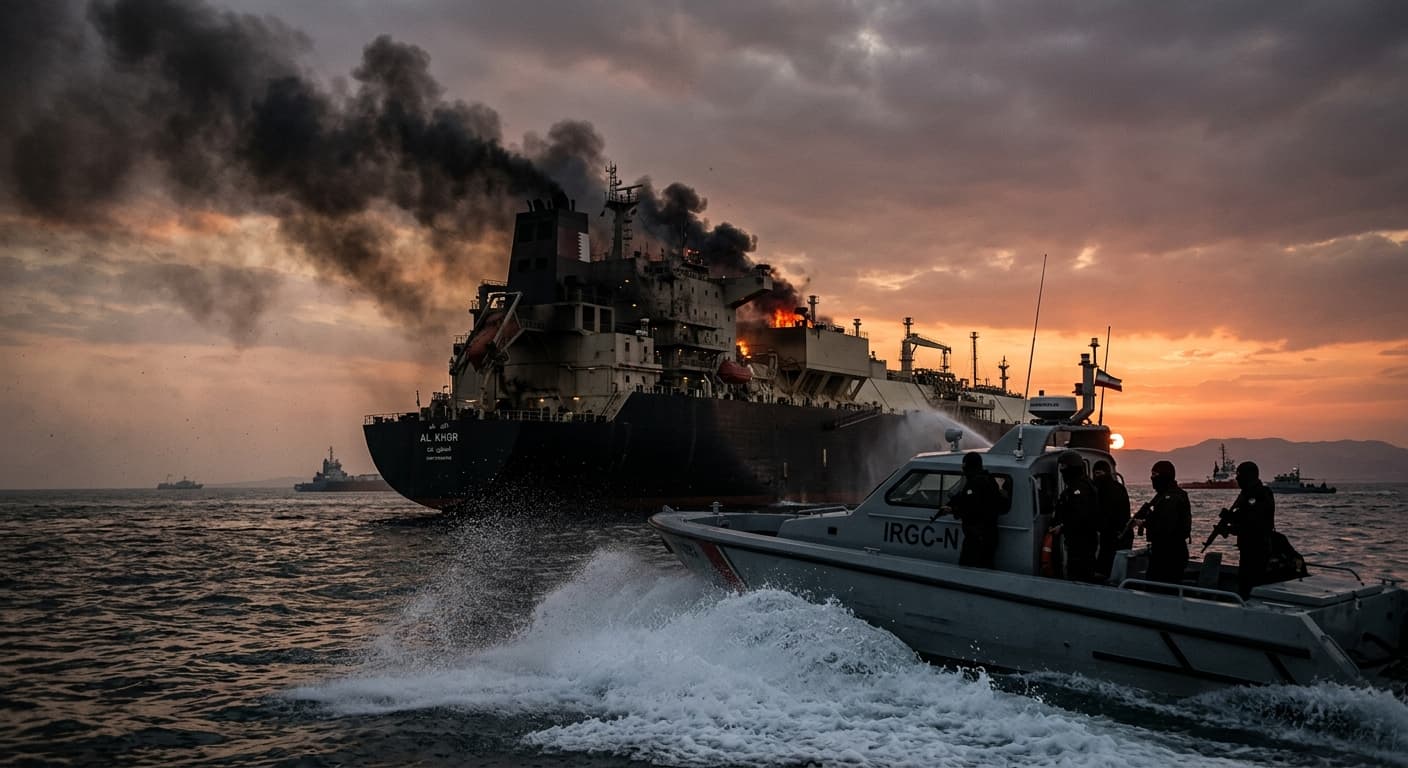
Qatari Tanker Strike Exposes Hormuz Tensions
A Qatari tanker was struck off Oman, revealing the fragility of the Hormuz ceasefire and Iran's influence over maritime security.
Global
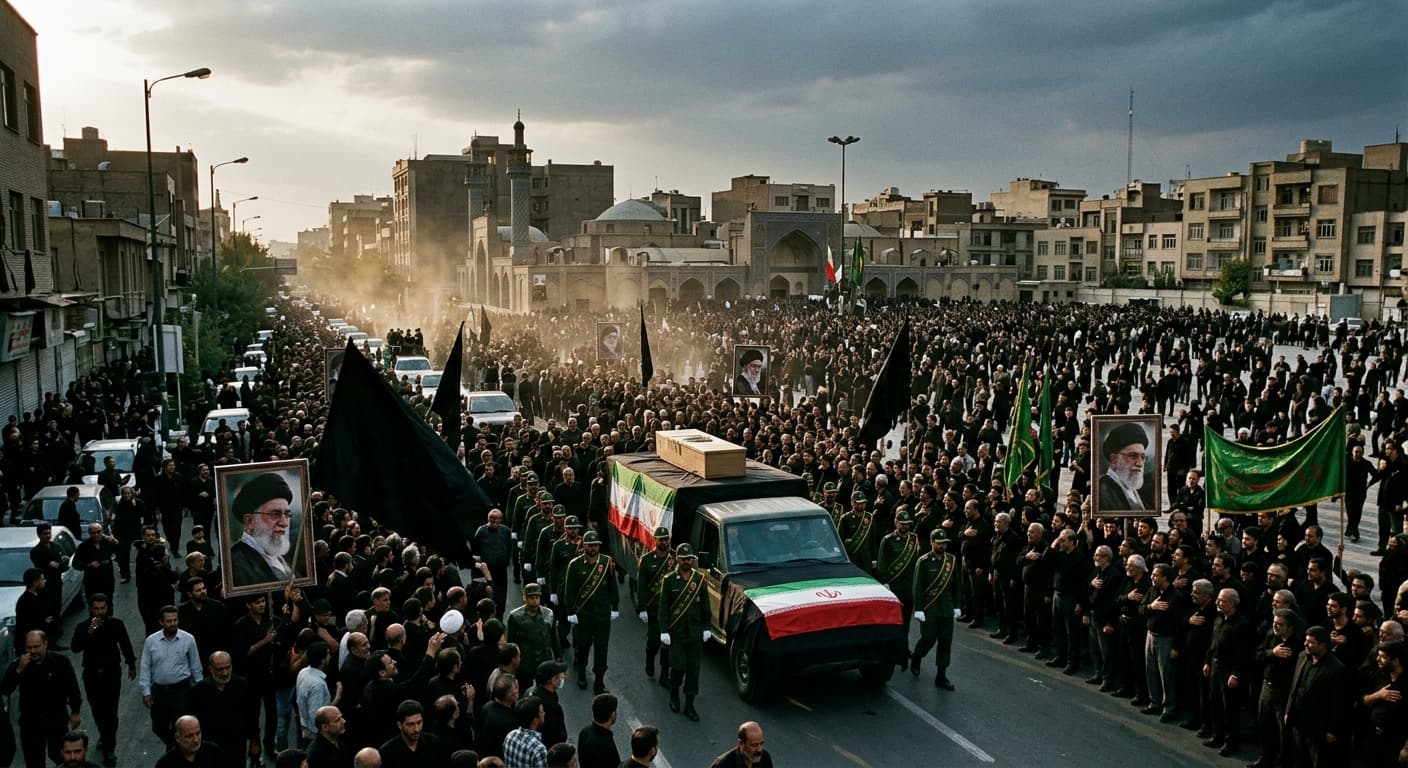
Khamenei's Funeral Signals Iran's Decline
The funeral of Ayatollah Khamenei highlights Iran's diminished influence in the Gulf, with regional powers now dictating terms.
Global
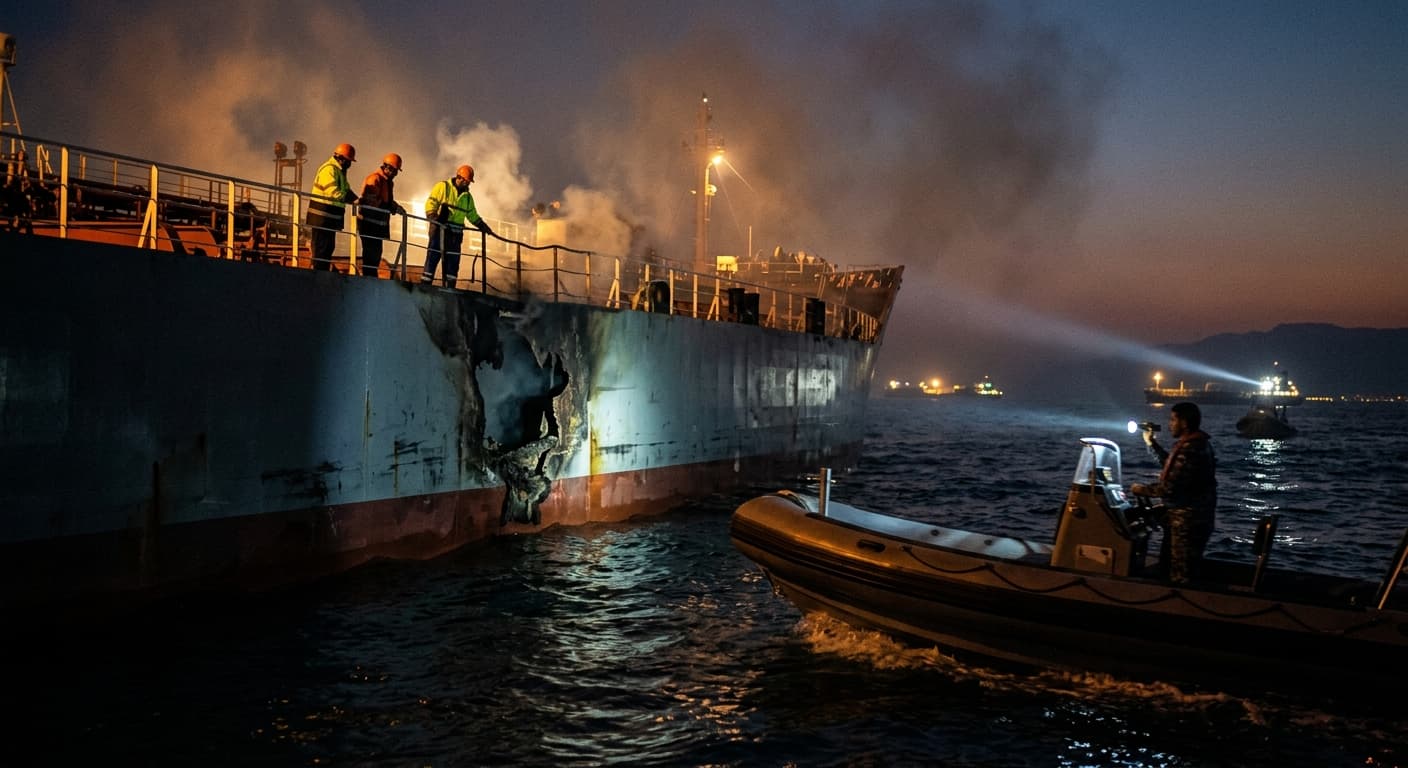
Iran's Hormuz Missile Strikes: A Toll Booth
Iran's missile attack on a Qatari-linked tanker highlights Tehran's strategy to control the Strait of Hormuz, impacting Gulf states and maritime law.

Tech Policy
Iran's Cavern Manticore Targets Israel's IT
Cavern Manticore, an Iran-linked hacking group, targets Israeli IT vendors, prompting a shift in Israel's cybersecurity policy and legislative efforts.