Trump's Iran Deal: A 60-Day Gamble
Examining the details of Trump's MOU with Iran
Model Diplomat4 min readMiddle East
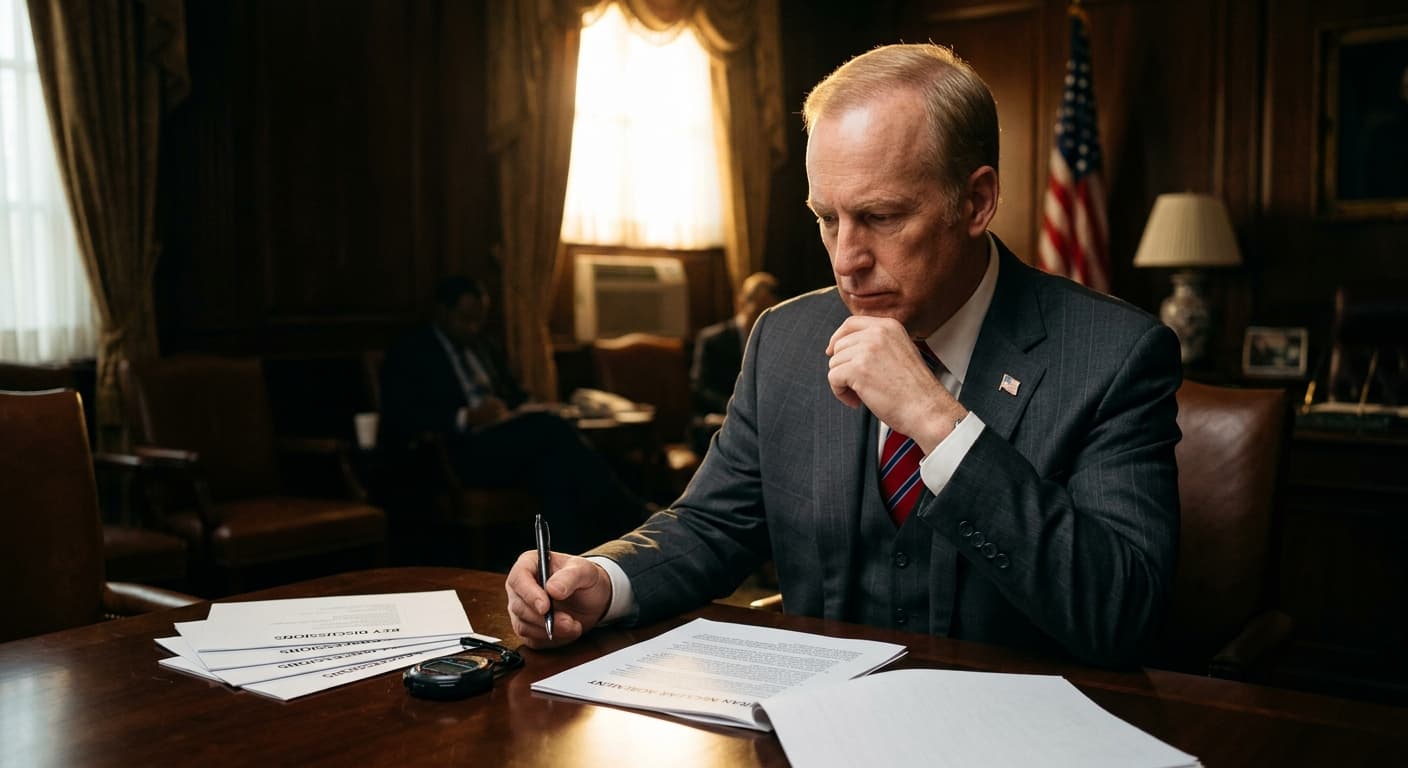
Trump's Iran Deal Swaps Detail for Extraction—With 60 Days to Bridge the Gap
Trump claims his MOU beats Obama's JCPOA, but leaves nuclear limits to future talks while offering more upfront than the 2015 deal.
Donald Trump electronically signed a 14-point Memorandum of Understanding with Iran on June 15, immediately claiming it surpasses the Obama-era nuclear accord he spent his first term dismantling. The comparison is misleading. Trump's framework prioritizes ending an immediate conflict and deferring hard decisions over verification—precisely the opposite strategy from the detailed, multilateral JCPOA that took two years and six world powers to negotiate.
The gap between the two agreements reveals less about their substance than about what leverage looked like in each era, and what happens when one party claims victory before the ink dries.
What the MOU Gives Away—and What It Doesn't Say
The new agreement commits Iran to refrain from "procuring or developing" nuclear weapons, but parks the actual nuclear discussion for a 60-day negotiating window that hasn't yet begun.
According to CBS News, the memorandum includes no specifics on uranium enrichment caps, centrifuge limits, or verification mechanisms—details the JCPOA spelled out at 159 pages of technical specification.
The JCPOA capped enrichment at 3.67 percent and required Iran to reduce its stockpile by 98 percent. Iran's current position: enriched uranium at 60 percent purity, just below weapons grade. The BBC reports the MOU asks Iran to "down blend" this material under International Atomic Energy Agency supervision, but leaves the mechanism unwritten. Trump has publicly stated he demands uranium enrichment be suspended for 15 to 20 years—a position Iran's negotiators have not acknowledged accepting.
The financial terms run the opposite direction from Obama's framework. The JCPOA unfroze Iranian assets and reopened oil markets after Iran demonstrated compliance. Trump's deal offers immediate relief: Treasury waivers on Iranian crude exports take effect at signing; frozen assets, reported at $25 billion, flow on an unspecified "agreed schedule." In exchange, Trump secured a 60-day halt to the conflict and Iranian commitment to reopen the Strait of Hormuz—a chokepoint Tehran closed as economic leverage during the war.
The Structural Weakness: Trust Deficit, No Snapback
The JCPOA was multilateral—the U.S., UK, France, Germany, China, and Russia all bound themselves to its terms. It included a "snapback" mechanism to restore UN sanctions automatically if either side broke the deal. The MOU is bilateral and lacks any credible penalty clause.
As Shahram Akbarzadeh of Deakin University told Al Jazeera, it "simply leaves all questions regarding Iran's nuclear programme and enrichment to be negotiated between the United States and Iran"—countries who declared war on each other four months ago.
The JCPOA also left untouched Iran's ballistic missile program and proxy network in the region—Trump's stated grievances during the Obama years. The new MOU also remains silent on ballistic missiles, though Trump has since signaled this is negotiable. On terrorism funding, neither the old agreement nor the new one directly addresses it, though Trump promises a "parallel effort" with Persian Gulf states.
What Actually Changed: Urgency Versus Time
Trump's victory claim rests on one tangible win: the U.S. naval blockade ends within 30 days, and the Strait of Hormuz—controlled by Tehran—reopens. That's the immediate payoff of military pressure. The JCPOA achieved gradual sanctions relief in exchange for Iran accepting the deepest nuclear constraints in the non-weapons world.
Experts are cautious about Trump's framing. Aniseh Bassiri Tabrizi of Chatham House told Al Jazeera the current document is not yet comparable to the JCPOA because it "focuses on extending the ceasefire rather than tackling Iran's nuclear programme in detail." Frederic Schneider of the Middle East Council on Global Affairs added that merely getting Iran to commit not to develop nuclear weapons—confirmed by U.S. intelligence as Iran's posture before the war—is "merely preserving the status quo."
What Happens in the Next 60 Days Determines Everything
The CFR warns that Iran has already signaled it will not ship enriched uranium out of the country and does not view the IAEA as neutral. Without those concessions, verification becomes impossible. Meanwhile, Israeli operations in Lebanon continue despite the ceasefire language in the MOU, and Iran has signaled it will not restart talks unless Lebanon attacks stop.
Trump's leverage now is narrower than it was on June 15, when the memorandum was still new. If the 60 days produce a final accord, it will be tested against a simple measure: does it roll back Iran's nuclear advances, or merely place them on pause? The JCPOA did the former. The MOU as written promises neither, betting instead that pressure and economic incentive can deliver what negotiation alone in the Obama years could not.
Discover more
Global
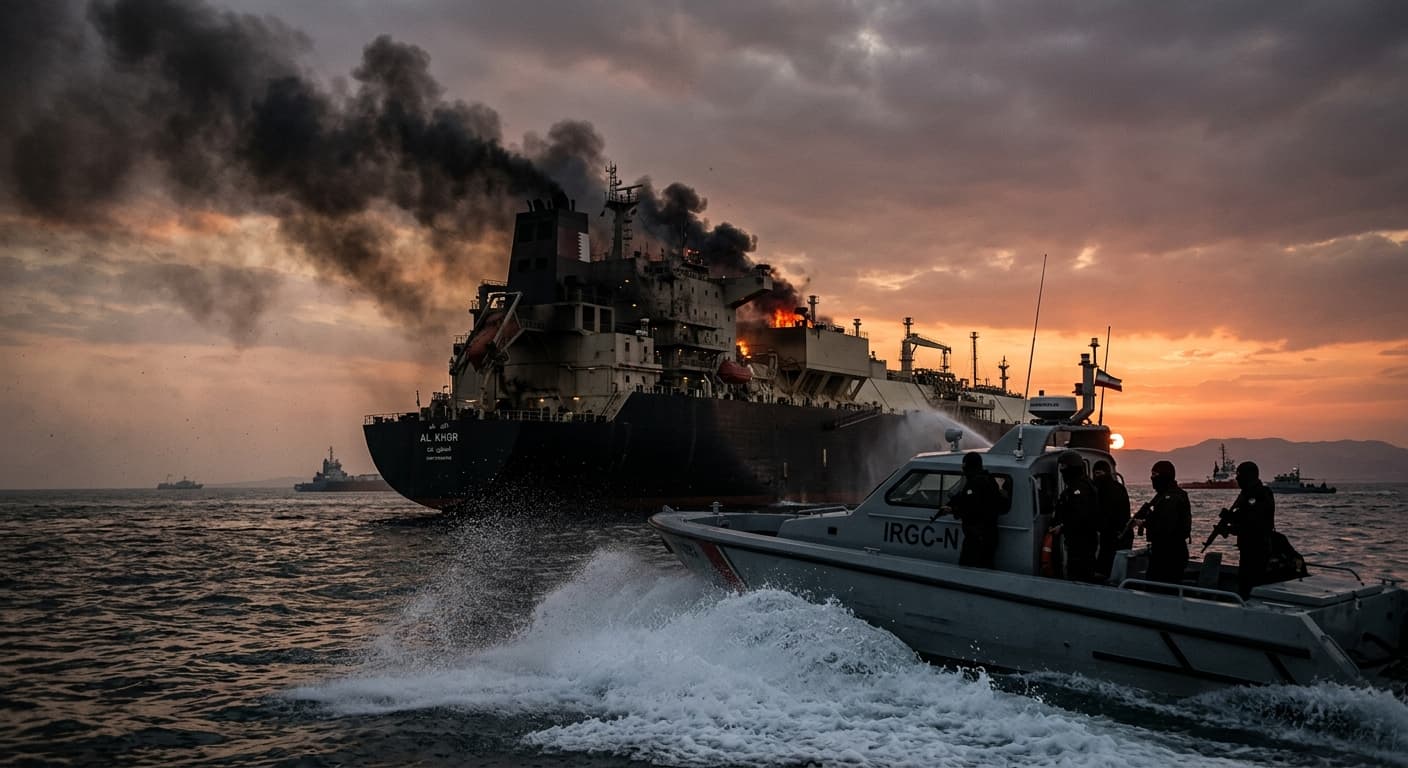
Qatari Tanker Strike Exposes Hormuz Tensions
A Qatari tanker was struck off Oman, revealing the fragility of the Hormuz ceasefire and Iran's influence over maritime security.
Global
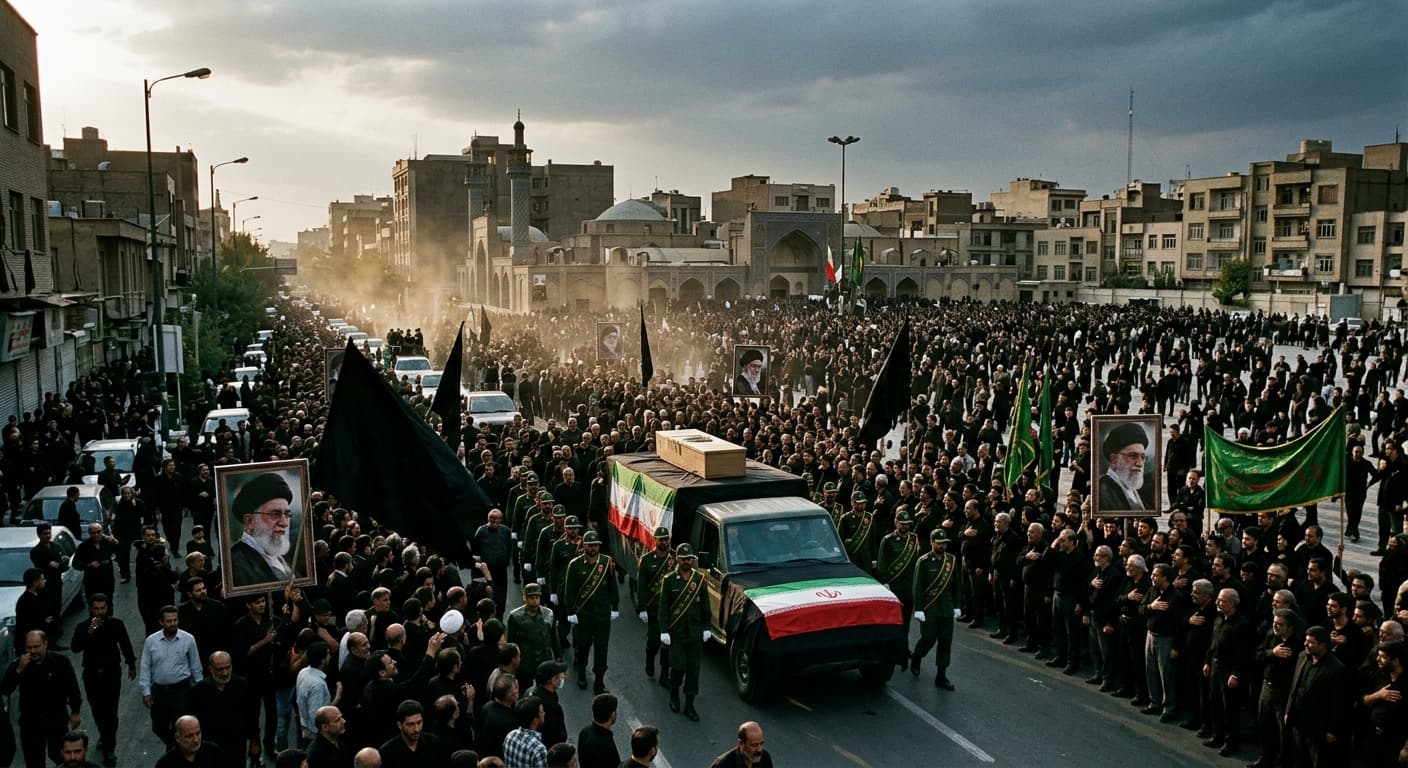
Khamenei's Funeral Signals Iran's Decline
The funeral of Ayatollah Khamenei highlights Iran's diminished influence in the Gulf, with regional powers now dictating terms.
Global
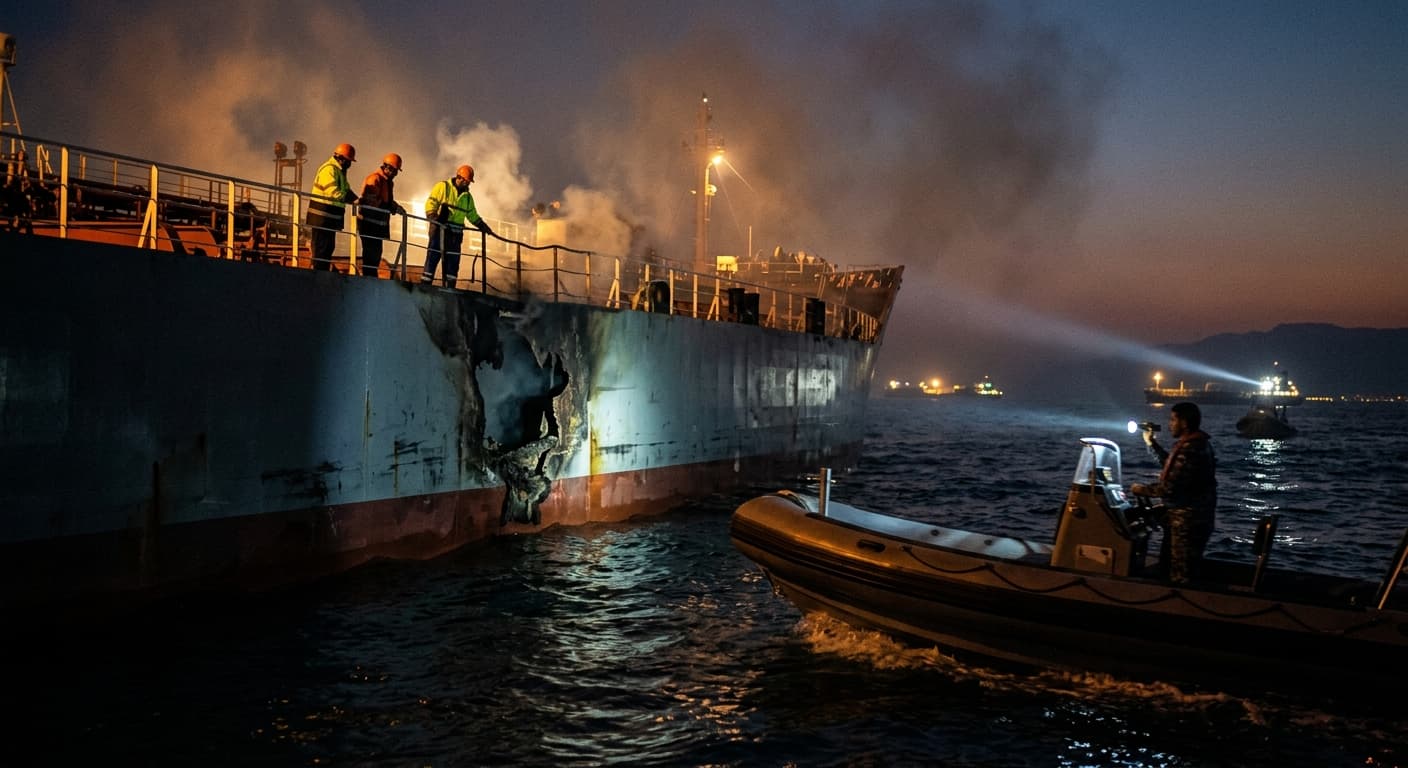
Iran's Hormuz Missile Strikes: A Toll Booth
Iran's missile attack on a Qatari-linked tanker highlights Tehran's strategy to control the Strait of Hormuz, impacting Gulf states and maritime law.
Tech Policy
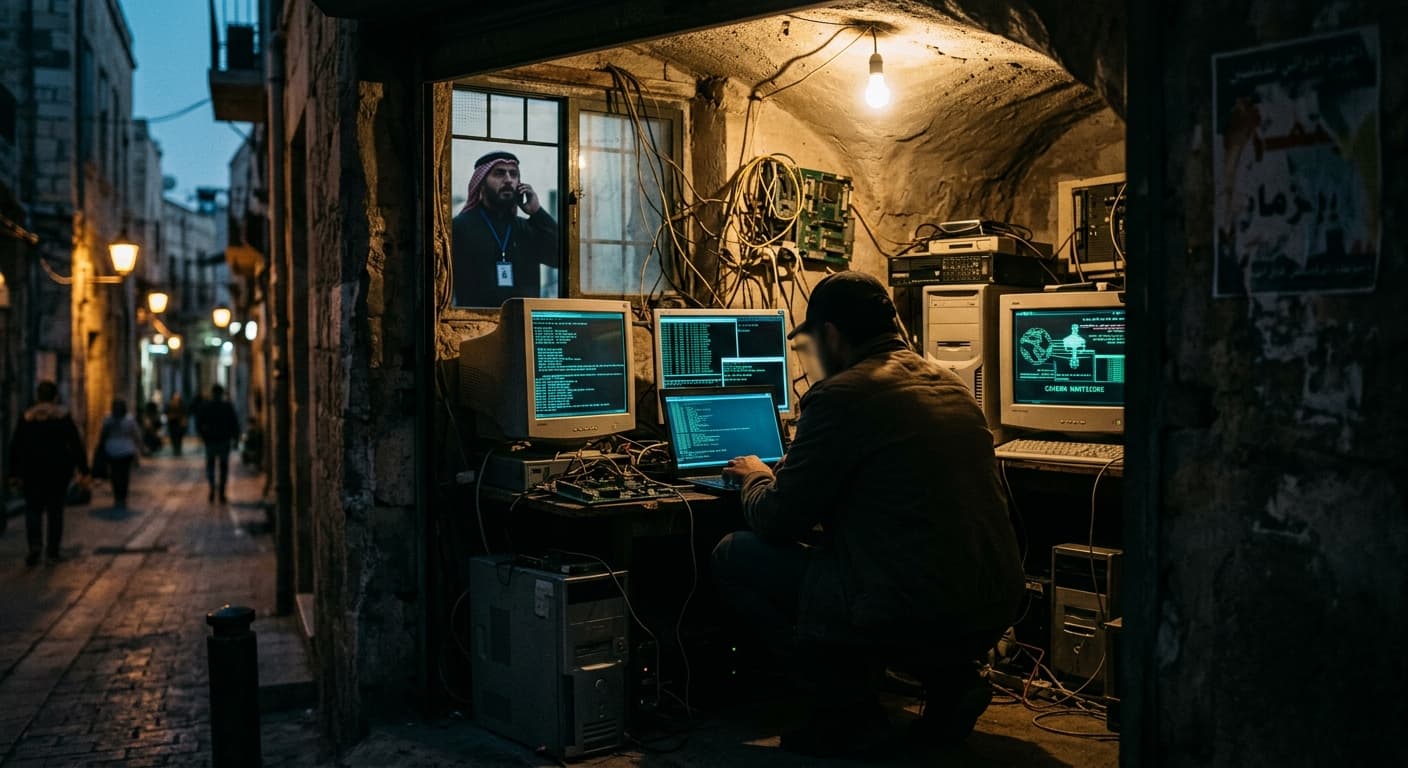
Iran's Cavern Manticore Targets Israel's IT
Cavern Manticore, an Iran-linked hacking group, targets Israeli IT vendors, prompting a shift in Israel's cybersecurity policy and legislative efforts.