Trump's Impeachment Call Strengthens Jeffries
Trump's impeachment demand strengthens Democratic solidarity.
Model Diplomat2 min readNorth America

Trump’s Jeffries Impeachment Call Tightens Democratic Ranks
Trump’s demand to impeach Hakeem Jeffries is less a legal play than a pressure tactic: rally Republicans, harden Democrats, and shift the terms of debate.
Trump’s call to impeach House Democratic leader Hakeem Jeffries has already produced the outcome Jeffries needed most: caucus solidarity. Adriano Espaillat moved quickly to back Jeffries, saying he had “called it like it was,” according to The Hill. Trump is using impeachment language as leverage, not procedure — to raise the cost of direct criticism from Democratic leadership and force Republicans to treat routine opposition as disqualifying conduct.
Why Jeffries benefits
Jeffries has spent months trying to keep Democrats out of an impeachment-first posture even as parts of the party pushed for a harder line on Trump. In January, CNN reported that Democrats were already split over whether to center opposition on impeachment or on a broader affordability message, with Jeffries trying to steer members away from “theatrical moves” and back toward bread-and-butter politics CNN. That matters here: Trump’s attack gives Jeffries a way to unify the caucus without embracing the maximalist strategy some Democrats want.
The immediate winner is Jeffries himself. A leader under attack from Trump is harder to challenge internally, especially when the attack looks personal and retaliatory. Espaillat’s defense signals that mainstream Democrats understand the risk: if Trump can define forceful criticism as impeachable, he gets to set the boundary of acceptable opposition. That is a power play, not a constitutional argument.
Why Trump is escalating now
The wider context is the Iran and war-powers fight. The House narrowly rejected a Democratic resolution in April directing Trump to end U.S. hostilities with Iran, underscoring how tight the margins are and how central executive-power questions have become The Washington Post. On May 1, Trump told Congress that a ceasefire had “terminated” the conflict and argued the War Powers clock did not require new authorization, according to Reuters reporting carried by CBC
CBC News.
That makes Jeffries a useful target. He is the most visible Democratic messenger on institutional restraint, and weakening him rhetorically helps Trump reframe oversight as sabotage. For Republicans, the benefit is partisan cohesion. For Democrats, the risk is getting dragged back into a politics of procedural retaliation that Jeffries has tried to avoid. For more on that broader contest, see Diplomat Briefing’s US Politics coverage and the
United States profile.
What to watch next
Watch whether Jeffries turns this into a broader leadership test inside the caucus or keeps it narrow and tactical. If Democrats respond by rallying behind Jeffries while still avoiding an impeachment-centric message, Trump loses the strategic upside. If the party slides back into a removal debate it cannot currently win, Trump regains the initiative. The next meaningful marker is the next House confrontation over war powers and executive authority — that is where this rhetorical fight turns into actual leverage.
Discover more
Conflict & Security
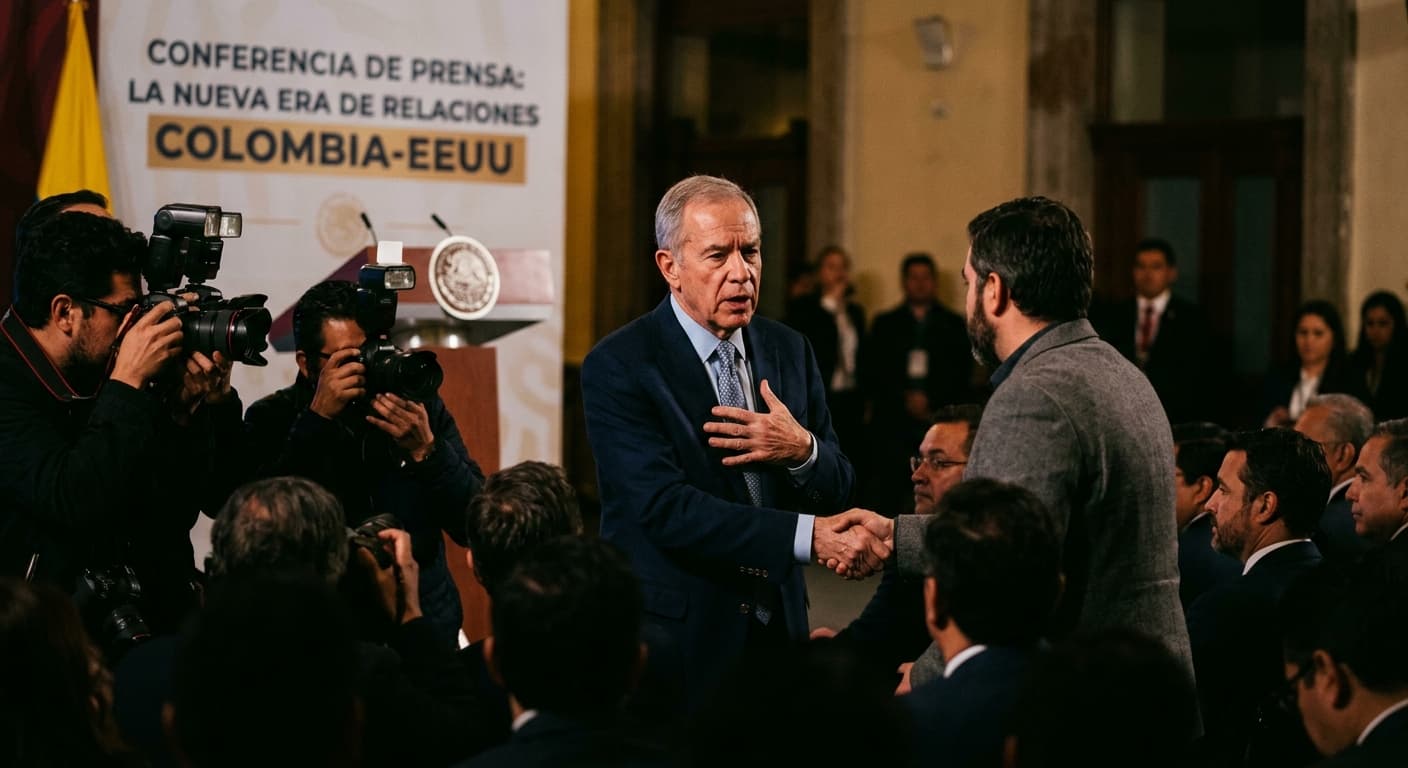
De la Espriella's Razor Win Resets US-Colomb
De la Espriella's razor-thin election win signals a reset in US-Colombia relations, reshaping security ties and the agenda under a Trump-aligned approach.
International Relations
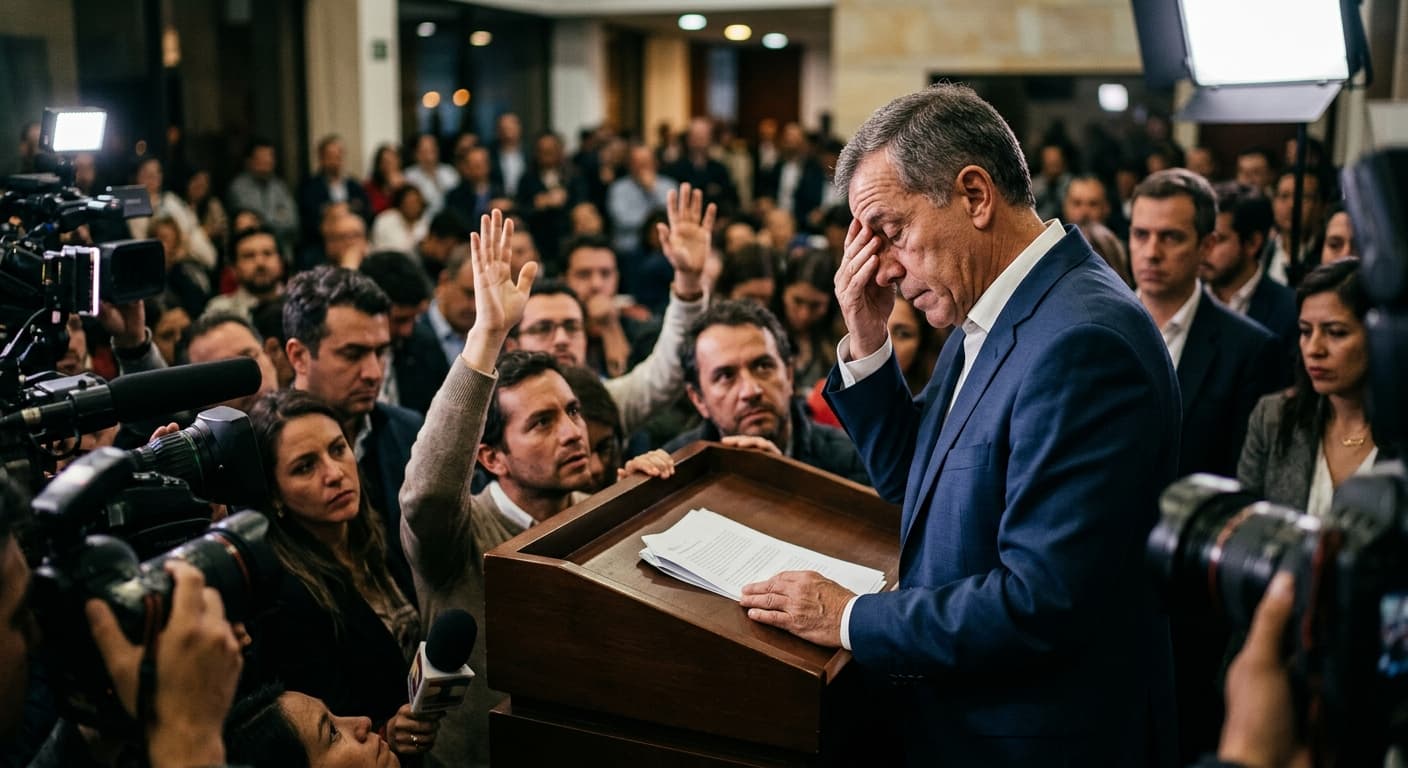
Colombia's Razor-Thin Rightward Pivot
Colombia swings right as Abelardo de la Espriella narrowly wins the presidential runoff by under one percent, exposing a deeply divided and polarized nation.
Global Politics
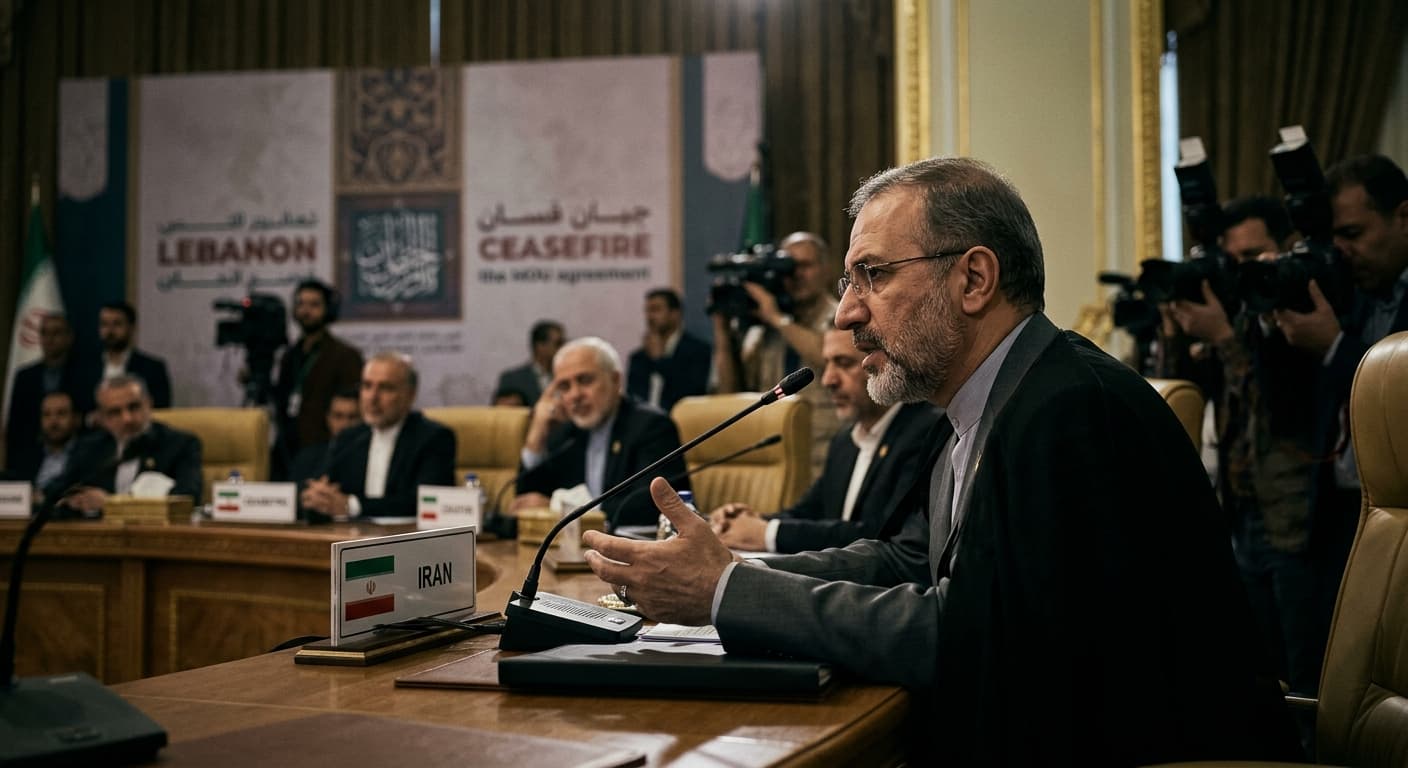
Iran Demands US Enforce Ceasefire
Iran insists the United States must enforce a ceasefire in Lebanon to uphold the memorandum of understanding, raising pressure on Washington and Netanyahu.

Conflict & Security
Trump's Iran Deal Faces Bipartisan Backlash
Trump's Iran deal draws fierce criticism from both Republicans and Democrats, exposing deep political divides over the ceasefire and the terms of the agreement.