Trump's Immigration Courts
New hires in immigration courts raise concerns over qualifications
Model Diplomat3 min readUnited States
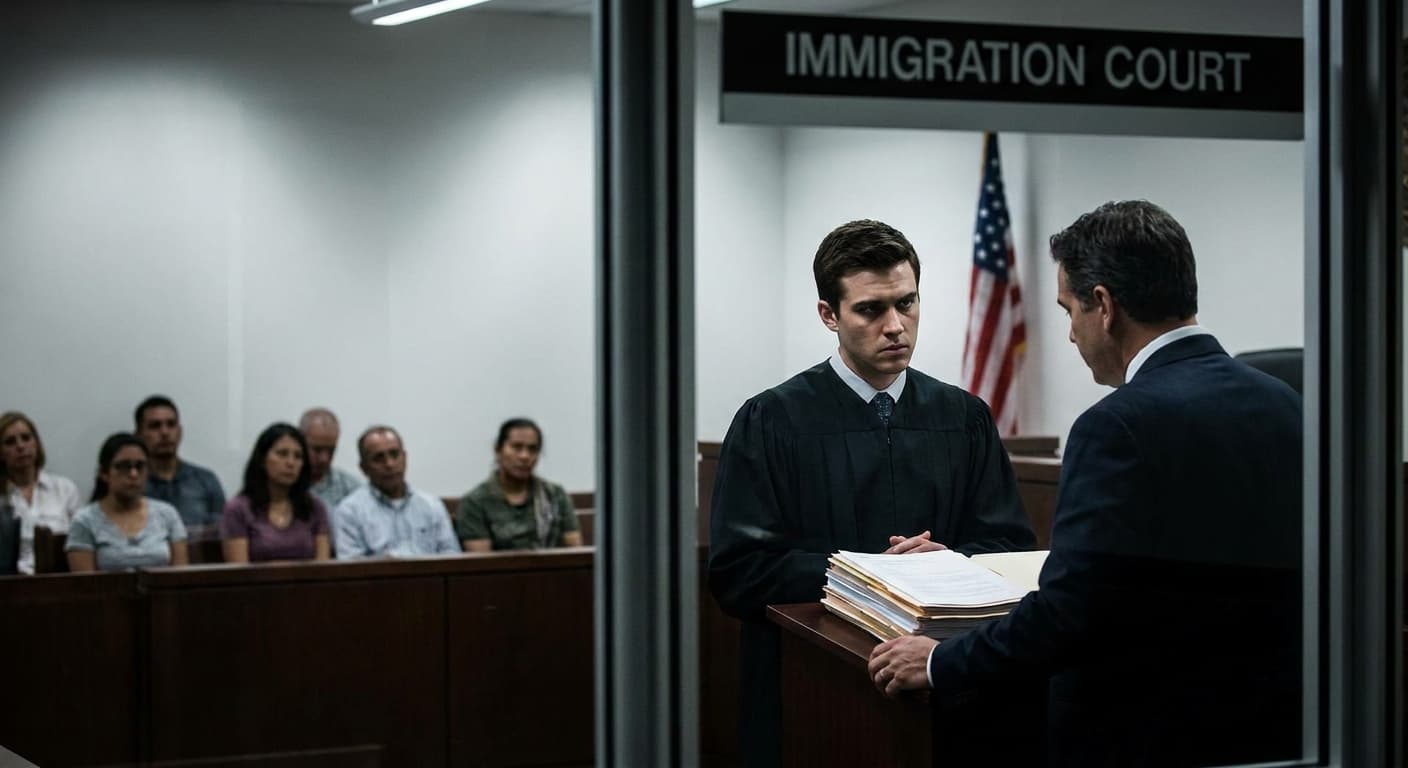
Trump's 'Deportation Judges': Speed Over Credentials Reshapes U.S. Immigration Courts
The DOJ is filling immigration courts with ideologically screened but inexperienced lawyers — risking both case integrity and the administration's own deportation goals.
The Trump DOJ is replacing over 100 fired immigration judges with new hires critics say lack the basic qualifications to adjudicate complex asylum and deportation cases. Among those appointed: a divorce attorney who publicly vowed to "fight exclusively for the rights of men," and a Minnesota lawyer who championed ICE raids during earlier Trump-era enforcement campaigns. Neither profile reflects the immigration-law expertise courts have historically required.
A Purge That Hollowed the Bench
The numbers tell a structural story. Since January 2025, the DOJ has fired at least 113 immigration judges — including six dismissed in a single April 2026 weekend after their rulings blocked deportations of pro-Palestinian students at Tufts and Columbia — with roughly 50 more departing under pressure, according to the National Association of Immigration Judges. The broader DOJ has shed more than 3,300 attorneys since Trump returned to office, with only ~800 hired in the same window,
USA Today reports. The replacements are being screened for ideological alignment, not courtroom depth.
The practical tension here is direct: immigration judges are DOJ employees, not Article III judges, which means they serve at the pleasure of the Attorney General and carry no lifetime tenure protections. That makes the bench uniquely vulnerable to political turnover — and uniquely susceptible to outcome-driven hiring. The administration's asylum grant rate has already collapsed to roughly 7%, down from ~36% in Biden's final year, per reporting on the San Francisco immigration court restructuring.
Who Benefits, Who Loses — and the Self-Defeating Risk
The administration's immediate interest is throughput: move cases fast, grant fewer asylum claims, execute more deportations. Ideologically compliant judges serve that goal. ICE, DHS, and the political leadership of the DOJ all benefit from a bench unlikely to issue blocking orders.
But the gambit carries a serious operational vulnerability. Under-trained judges produce legally flawed rulings — and flawed rulings get appealed. Federal circuit courts, which are Article III and not subject to White House removal, have already been a friction point for the administration's enforcement agenda. A wave of procedurally defective deportation orders could hand plaintiffs' attorneys exactly the appellate ammunition they need, slowing the very deportation machine the new judges are meant to accelerate.
Migrants and asylum seekers — disproportionately Central American, Venezuelan, and Haitian nationals — bear the most direct cost. So does due process precedent: when judges lack the legal grounding to evaluate complex asylum claims, wrongful deportations become statistically inevitable.
Track the US Politics angle on this carefully — the hiring decisions also set a precedent for how far executive-branch credentialing standards can be stripped before Congress or the courts intervene.
What to Watch
The Ninth and Fourth Circuits are the immediate chokepoints. Any significant uptick in remanded or overturned deportation rulings from newly installed judges will signal the strategy is backfiring procedurally. Watch also for the National Association of Immigration Judges' pending legal challenges to the firings — if they establish that immigration judges carry removal protections akin to federal employees, the entire personnel strategy collapses. The next major signal comes when the first high-profile deportation case adjudicated by a newly hired judge hits appellate review.
Discover more
Global Politics
Trump's Conflicting Messages on Iran War
Trump's mixed messages on Iran reflect a strategy of audience management, benefiting Tehran amid a complex geopolitical landscape.

Conflict & Security
Drone Warfare Killing Aid Workers at Unprec
Over 1,000 humanitarian workers killed in three years as cheap armed drones collapse legal protections. Gaza, Sudan, Ukraine, and DRC see deliberate targeting of aid convoys and hospitals with zero prosecutions.

Global
World Normalises Taliban as Afghan Women Eras
UN data shows Afghan women erased from public life as Russia recognises the Taliban, EU hosts officials in Brussels, and ICC warrants for gender persecution go unenforced.
Conflict & Security
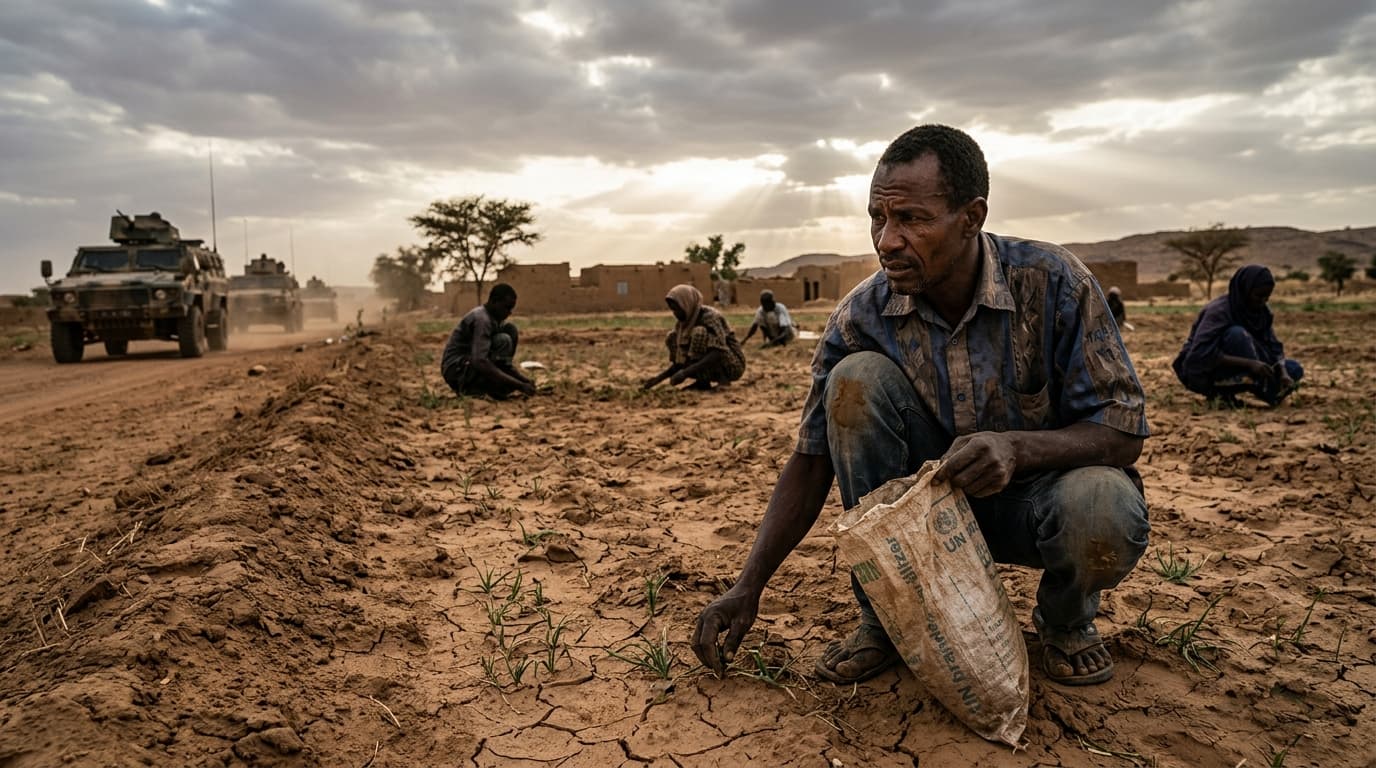
West Africa Food Crisis: Three Shocks in 2026
Conflict, climate extremes, and the Strait of Hormuz closure drive a severe food crisis in West and Central Africa, with fertilizer prices surging 80% and millions displaced.

