Trump's Executive Orders to Cut Drug Prices
Trump challenges drugmakers with new executive orders.
Model Diplomat2 min readNorth America
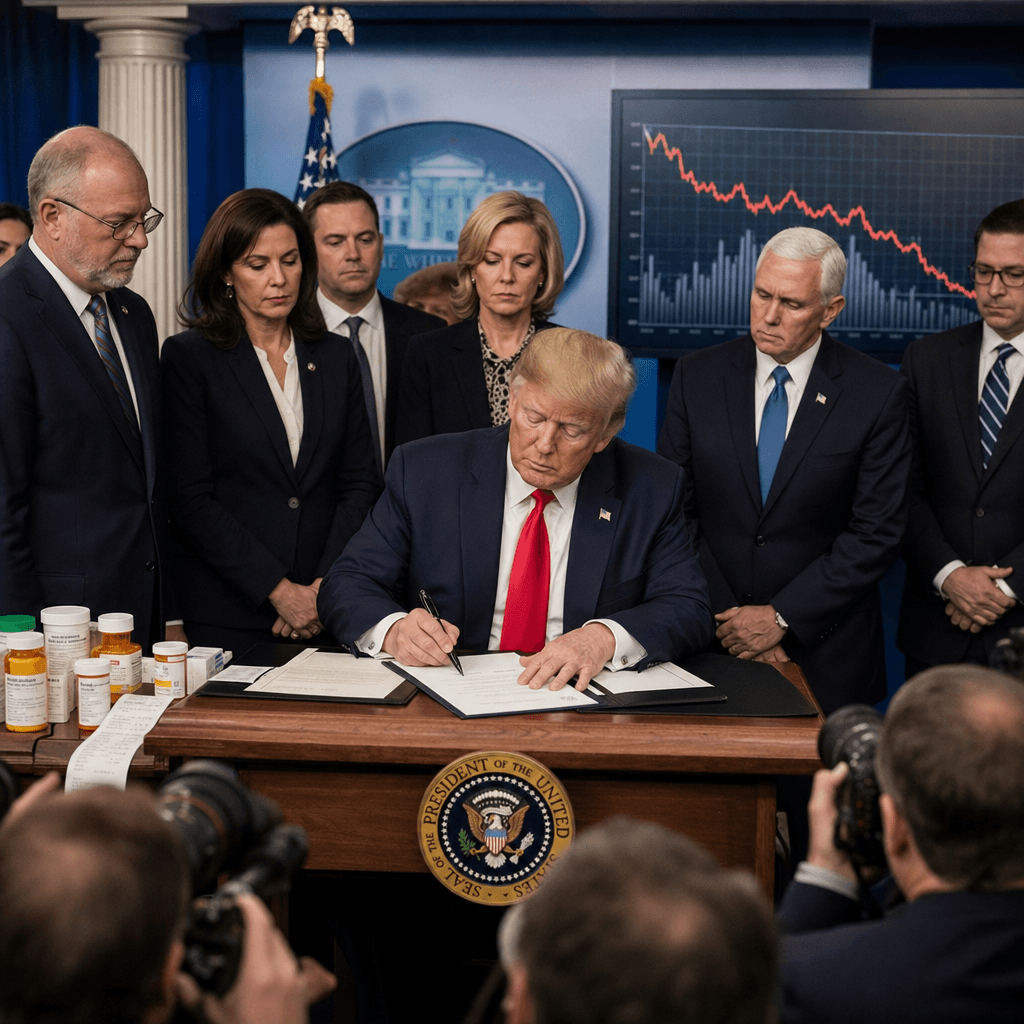
Trump Leverages Executive Power to Challenge Drug Prices
Trump wields executive orders to force drugmaker concessions on pricing, aiming for significant savings while facing industry resistance.
President Trump has initiated a new phase in his long-standing effort to lower prescription drug costs, signing executive orders in April and May 2025 that directly challenge pharmaceutical manufacturer pricing. Past projections from his previous terms suggested potential reductions of $529 billion over 10 years for the U.S. economy. [Source: Associated Press, May 12, 2025] This move reasserts the executive branch’s leverage against powerful industry interests, seeking to translate political will into concrete cost reductions for consumers and federal programs like Medicare and Medicaid.
The Power Play: Executive Authority Versus Industry Lobby
Trump’s approach relies on executive authority to pressure drugmakers. Recent orders direct agencies to explore options such as importing lower-cost drugs from abroad, accelerating the approval of generic medications, and standardizing Medicare payments for prescription drugs across different provider settings. A core strategy involves setting a deadline for drug companies to voluntarily lower prices, backed by the threat of government action, such as tying U.S. prices to those paid by other countries. [Source: Washington Post, April 15, 2025; CNN Politics, April 15, 2025]
This confrontational stance places the pharmaceutical industry in a difficult position. Historically, drugmakers have opposed such measures, arguing that price controls stifle innovation and threaten research and development funding. [Source: CNN Politics, April 15, 2025] The industry’s counter-strategy often involves lobbying for longer negotiation timelines for drug price controls, such as those introduced under the Biden administration's Inflation Reduction Act (IRA), and emphasizing the complexity of drug development. [Source: Washington Post, April 15, 2025] The primary beneficiaries of Trump's initiative, if successful, would be American consumers and federal healthcare spending, while the pharmaceutical giants stand to see reduced revenues. This dynamic highlights ongoing tensions within US Politics.
What to Watch Next
The immediate impact of these executive orders remains uncertain. Several key provisions require further action, including Congressional approval or regulatory rulemaking, which can be protracted processes. The pharmaceutical industry’s response in the coming 30-day negotiation window and through ongoing legal and lobbying channels will be critical. [Source: Associated Press, May 12, 2025] Policymakers and market analysts will be scrutinizing whether these executive actions can overcome industry resistance and potential implementation hurdles. The effectiveness of these initiatives will ultimately be judged by tangible shifts in drug prices for a wide range of medications, particularly those covered by Medicare, which begins its own drug price negotiations in 2026. [Source: USA Today, February 28, 2025] The broader geopolitical and economic implications of these U.S. drug pricing policies, especially concerning international trade and the global pharmaceutical market, also warrant close observation. [Source: Diplomat - Global Politics]
Discover more
Conflict & Security
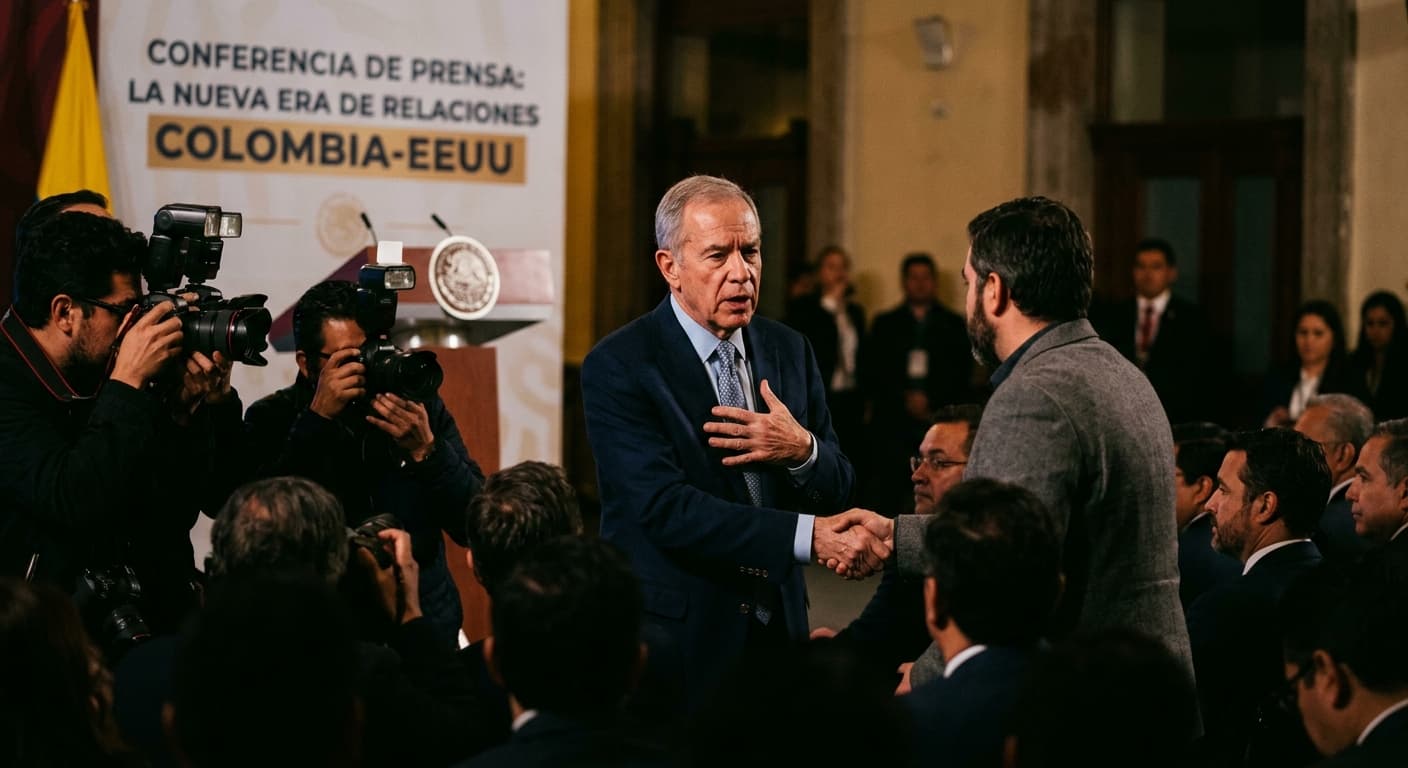
De la Espriella's Razor Win Resets US-Colomb
De la Espriella's razor-thin election win signals a reset in US-Colombia relations, reshaping security ties and the agenda under a Trump-aligned approach.
International Relations
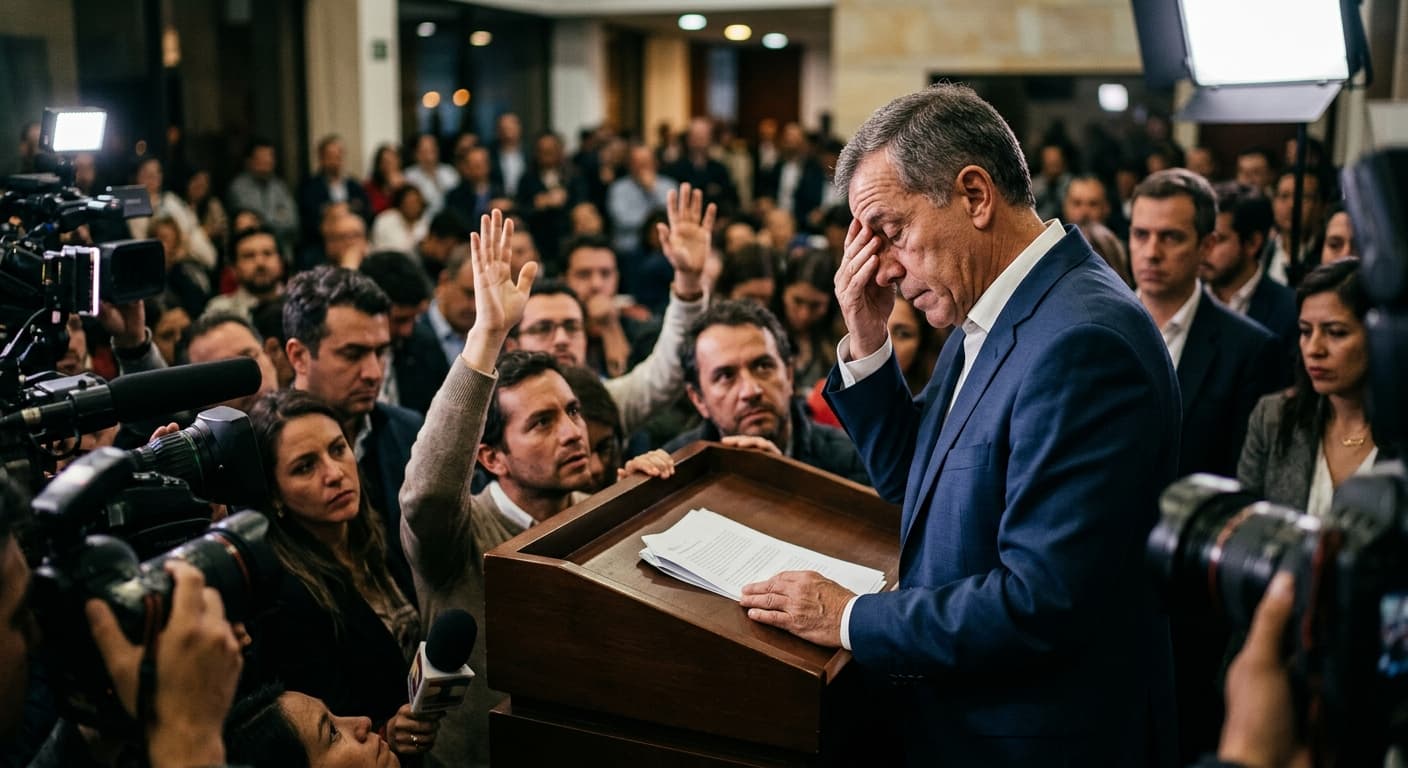
Colombia's Razor-Thin Rightward Pivot
Colombia swings right as Abelardo de la Espriella narrowly wins the presidential runoff by under one percent, exposing a deeply divided and polarized nation.
Global Politics
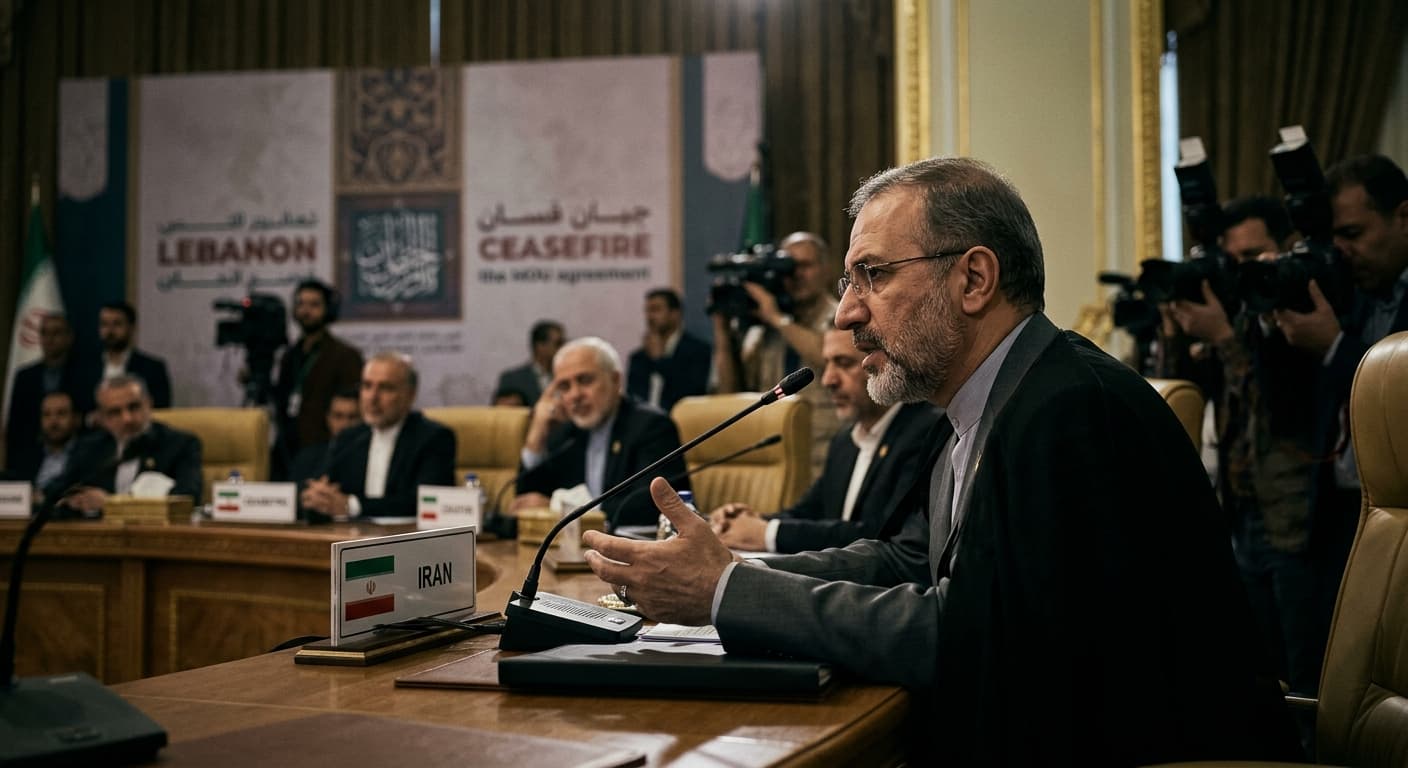
Iran Demands US Enforce Ceasefire
Iran insists the United States must enforce a ceasefire in Lebanon to uphold the memorandum of understanding, raising pressure on Washington and Netanyahu.

Conflict & Security
Trump's Iran Deal Faces Bipartisan Backlash
Trump's Iran deal draws fierce criticism from both Republicans and Democrats, exposing deep political divides over the ceasefire and the terms of the agreement.