Trump's Ballroom Poll Problem
Voters oppose Trump's ballroom, but legal and financial forces prevail.
Model Diplomat3 min readNorth America

Trump’s Ballroom Poll Problem Won’t Stop the Project
Most voters oppose Trump’s White House ballroom, but the real leverage now sits with the courts, Congress, and the donors financing a $400 million legacy build.
Donald Trump is losing the argument but may still win the build. A new Washington Post-ABC News-Ipsos poll finds Americans oppose his planned White House ballroom by roughly 2 to 1, with 56% opposed and 28% supportive The Washington Post
USA Today. That matters politically because the project was always more about presidential branding than public demand. But it does not decide the project’s fate. The decisive actors are now the federal courts, Congress, the National Capital Planning Commission, and the private donors underwriting it.
Why the poll matters
The poll shows the White House has failed to convert a luxury construction project into a public-interest case The Washington Post. Trump and his allies recently tried to reframe the ballroom as a security and logistics necessity after a shooting near the White House Correspondents’ Dinner, arguing large official events need a controlled indoor venue
The Washington Post. The new polling suggests that argument has not moved opinion.
That leaves Republicans on Capitol Hill with little incentive to spend political capital defending the project in public. The winners from that dynamic are preservation groups and Democrats, who can cast the ballroom as a symbol of excess without paying a legislative price. For readers tracking the broader political environment, this fits the pattern in US Politics: cultural symbolism can become more damaging than the underlying policy fight.
Where the leverage really sits
The project’s survival now turns on process, not popularity. A federal judge halted construction on March 31, saying the administration lacked clear congressional authorization for the roughly $400 million project The Washington Post. Then, on April 18, a federal appeals court allowed construction to continue for now while the legal fight proceeds
The Washington Post. Separately, the National Capital Planning Commission approved the plan 9-1 on April 2, despite heavy public opposition in comments and testimony
USA Today.
Money is the other pressure point. A contract reviewed by USA Today says the ballroom is privately funded and structured to protect donor anonymity “to the greatest extent permitted by law,” even as the project has drawn scrutiny over conflicts and influence USA Today. That benefits corporate donors and the White House in the short term, but it also gives critics a cleaner line of attack: not taxpayer waste, but opaque access to a sitting president. In a presidency already defined by questions about institutional boundaries in the
United States, that is a more durable vulnerability.
What to watch next
The next decision point is not another poll. It is whether Congress provides explicit authorization and whether the appeals process keeps construction moving. If Republicans stay quiet and the courts keep granting room to proceed, Trump can build through public opposition. If lawmakers are forced to vote and donor scrutiny deepens, the ballroom becomes less a monument and more a liability.*
Discover more
Conflict & Security
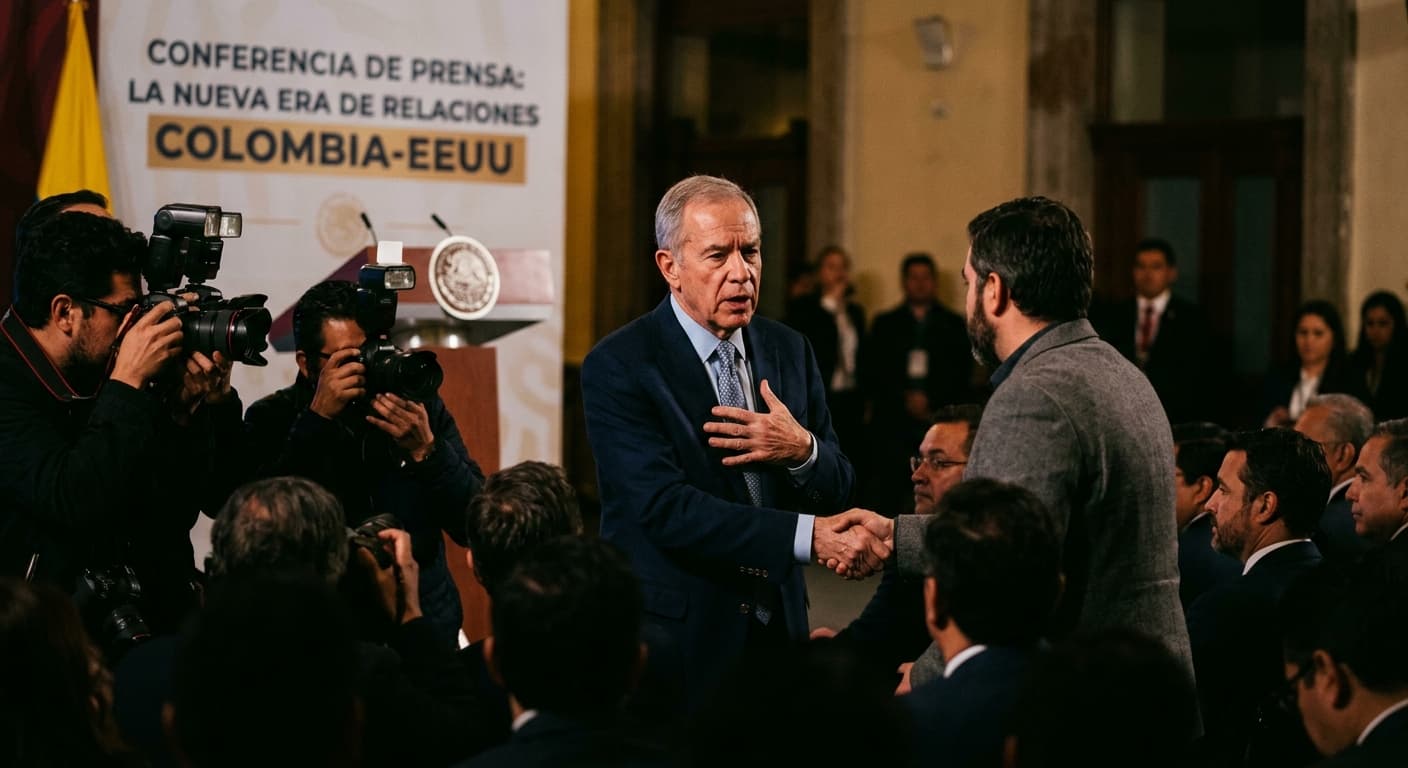
De la Espriella's Razor Win Resets US-Colomb
De la Espriella's razor-thin election win signals a reset in US-Colombia relations, reshaping security ties and the agenda under a Trump-aligned approach.
International Relations
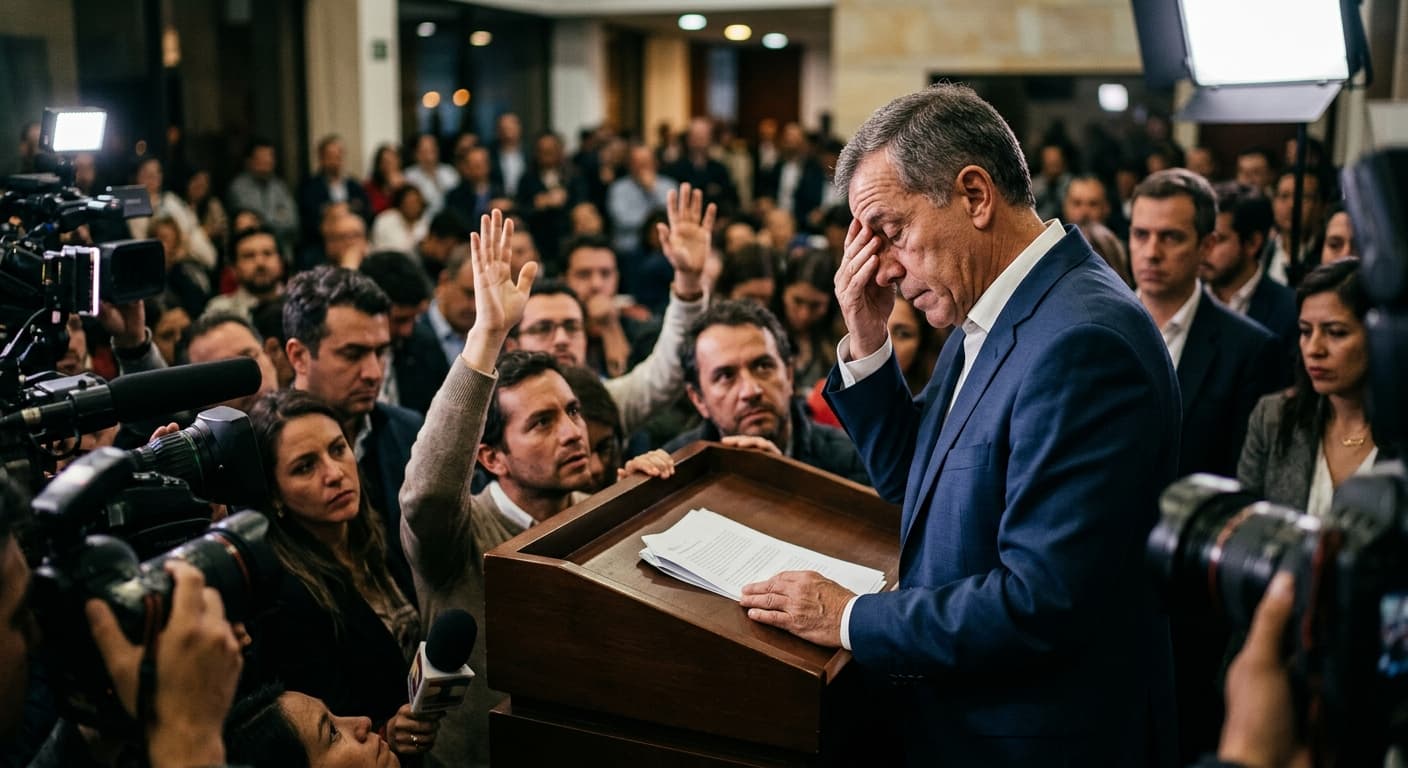
Colombia's Razor-Thin Rightward Pivot
Colombia swings right as Abelardo de la Espriella narrowly wins the presidential runoff by under one percent, exposing a deeply divided and polarized nation.
Global Politics
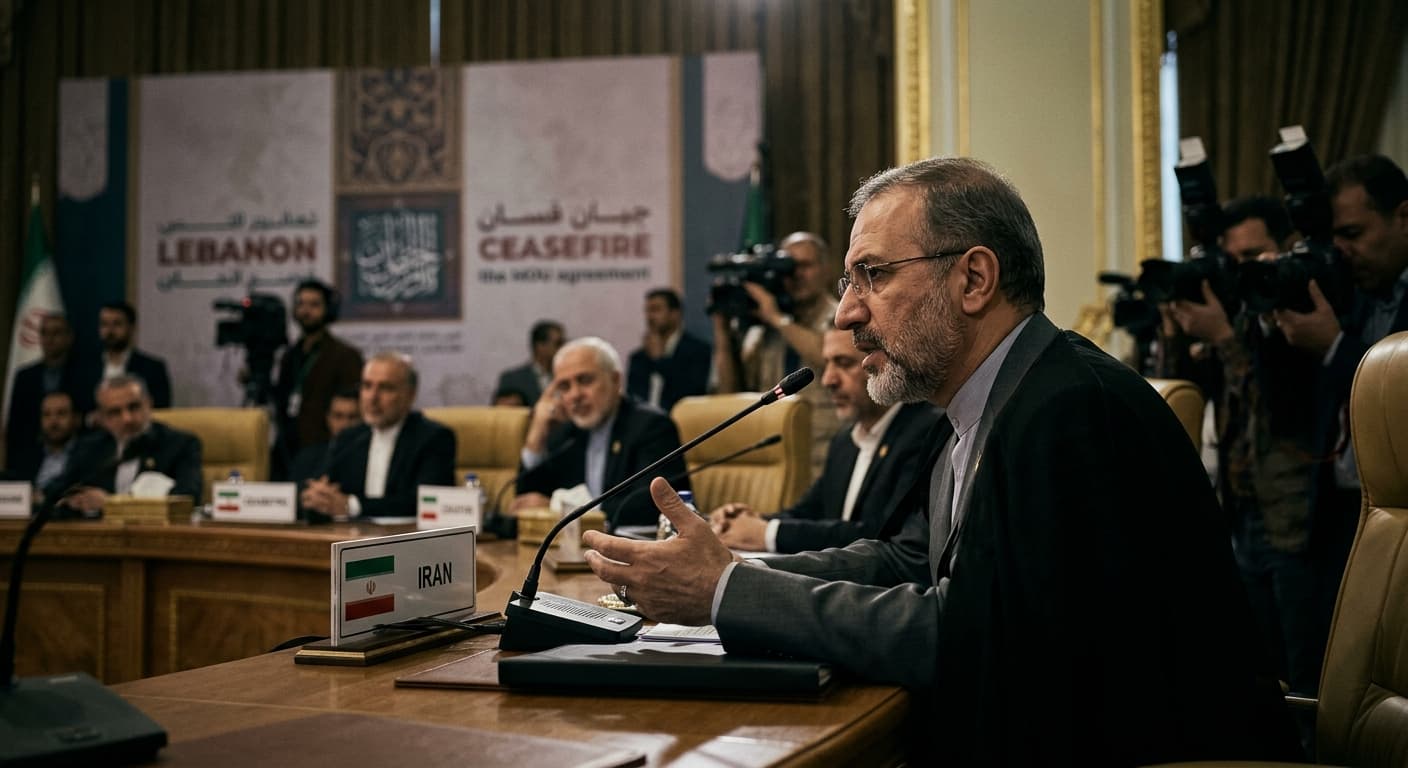
Iran Demands US Enforce Ceasefire
Iran insists the United States must enforce a ceasefire in Lebanon to uphold the memorandum of understanding, raising pressure on Washington and Netanyahu.

Conflict & Security
Trump's Iran Deal Faces Bipartisan Backlash
Trump's Iran deal draws fierce criticism from both Republicans and Democrats, exposing deep political divides over the ceasefire and the terms of the agreement.