Trump's Approval Drops Amid Iran War, Gas Hic
Trump faces low approval ratings as crises impact midterms.
Model Diplomat3 min readNorth America
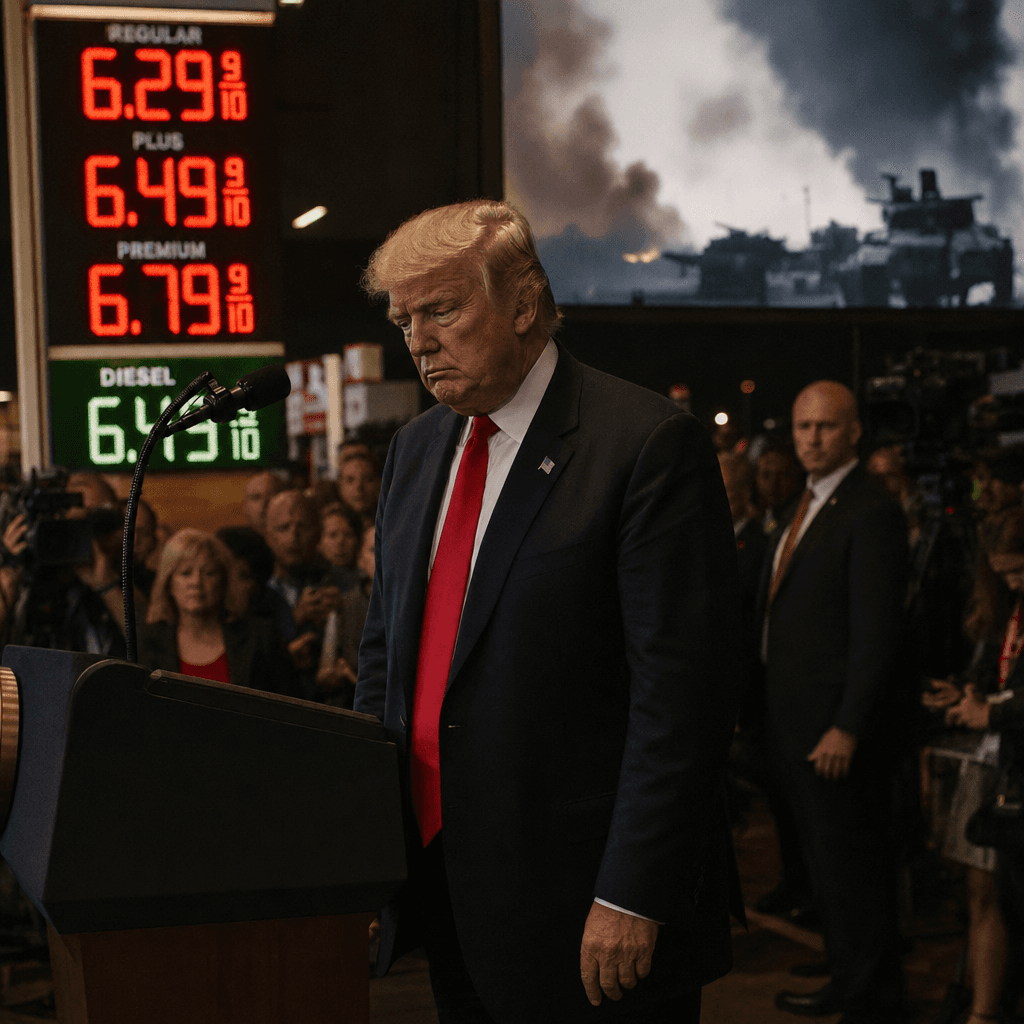
Trump at 37%: A War, a Gas Pump, and a Midterm Countdown
Trump's approval hits a second-term low of 37% as the Iran war drives gas above $4 and hands Democrats a midterm weapon.
Fifteen months into his second term, Donald Trump is governing with the weakest poll numbers of his return to power — and the structural pressures compressing those numbers show no sign of reversing before November. What began as a presidency with strong economic mandate has collided with two compounding crises: a war of choice in Iran and a cost-of-living squeeze that Republican candidates never priced into their 2026 campaigns.
Two Crises, One Feedback Loop
The NBC News Decision Desk poll (March 30–April 13) put Trump's approval at 37% — disapproval at 63% — his worst mark since January 2025. The AP-NORC poll shows the slide is now cutting into Republican respondents — a meaningful early warning. The numbers behind the headline are starker: 68% disapprove of Trump's handling of inflation, and 67% disapprove of his Iran war management, with 54% strongly disapproving of the latter.
The mechanism is direct. The Iran conflict triggered a 21.2% spike in gasoline prices in March alone, pushing the national average above $4 per gallon and tripling the monthly CPI print to 0.9% — lifting annual inflation from 2.4% to 3.3%. Consumer sentiment has hit levels not seen since the Great Recession. For voters already sensitized to price pain from post-pandemic inflation, the war premium at the pump is not an abstraction; it is the dominant political fact of spring 2026.
Who Loses and Who Gains
The most exposed actors are House Republicans, who entered the cycle defending a narrow majority on an economic message that has now been overwritten. CNN reports that Trump advisers privately acknowledge the need to shift messaging back to affordability — but fear the war's timeline makes that impossible before November. Democrats are already running targeted ads in 44 competitive districts, staging events at gas stations to anchor the $4+ price tag to Republican governance.
The structural headwind is compounded by youth erosion. A Yale Youth Poll from March 2026 shows 72–75% disapproval among voters aged 23–34, with 58–62% of that cohort intending to vote Democratic in the midterms. That is not a marginal gap — it represents a mobilization opportunity for Democrats in districts where turnout math is tight.
JD Vance absorbs collateral damage. His Iran diplomacy effort in Islamabad produced no breakthrough, and his campaign appearance for Viktor Orbán in Hungary ended in Orbán's defeat — two high-profile failures that CNN frames as casting doubt on his 2028 positioning before a single primary vote is cast.
What to Watch Next
The single variable that could interrupt the current trajectory is an Iran ceasefire. Administration officials have tied gas price relief explicitly to war termination; any credible deal before summer would remove the most visible cost pressure and give Republicans something to run on besides damage control. Without it, the midterm map hardens against the GOP by August — historically the point at which House race forecasts lock in.
Watch the Islamabad talks for a resumption signal, July's CPI print for evidence of price relief, and August Republican primaries for signs that incumbents are distancing from Trump on Iran — the clearest indicator of whether the party believes this presidency still has coattails.
For broader context on the evolving US political landscape, the 2026 cycle is shaping up as a referendum not on ideology, but on gasoline prices and whether a second-term president can absorb a war's economic cost before November.*
Discover more
Global Politics
Trump's Conflicting Messages on Iran War
Trump's mixed messages on Iran reflect a strategy of audience management, benefiting Tehran amid a complex geopolitical landscape.

Conflict & Security
Drone Warfare Killing Aid Workers at Unprec
Over 1,000 humanitarian workers killed in three years as cheap armed drones collapse legal protections. Gaza, Sudan, Ukraine, and DRC see deliberate targeting of aid convoys and hospitals with zero prosecutions.

Global
World Normalises Taliban as Afghan Women Eras
UN data shows Afghan women erased from public life as Russia recognises the Taliban, EU hosts officials in Brussels, and ICC warrants for gender persecution go unenforced.
Conflict & Security
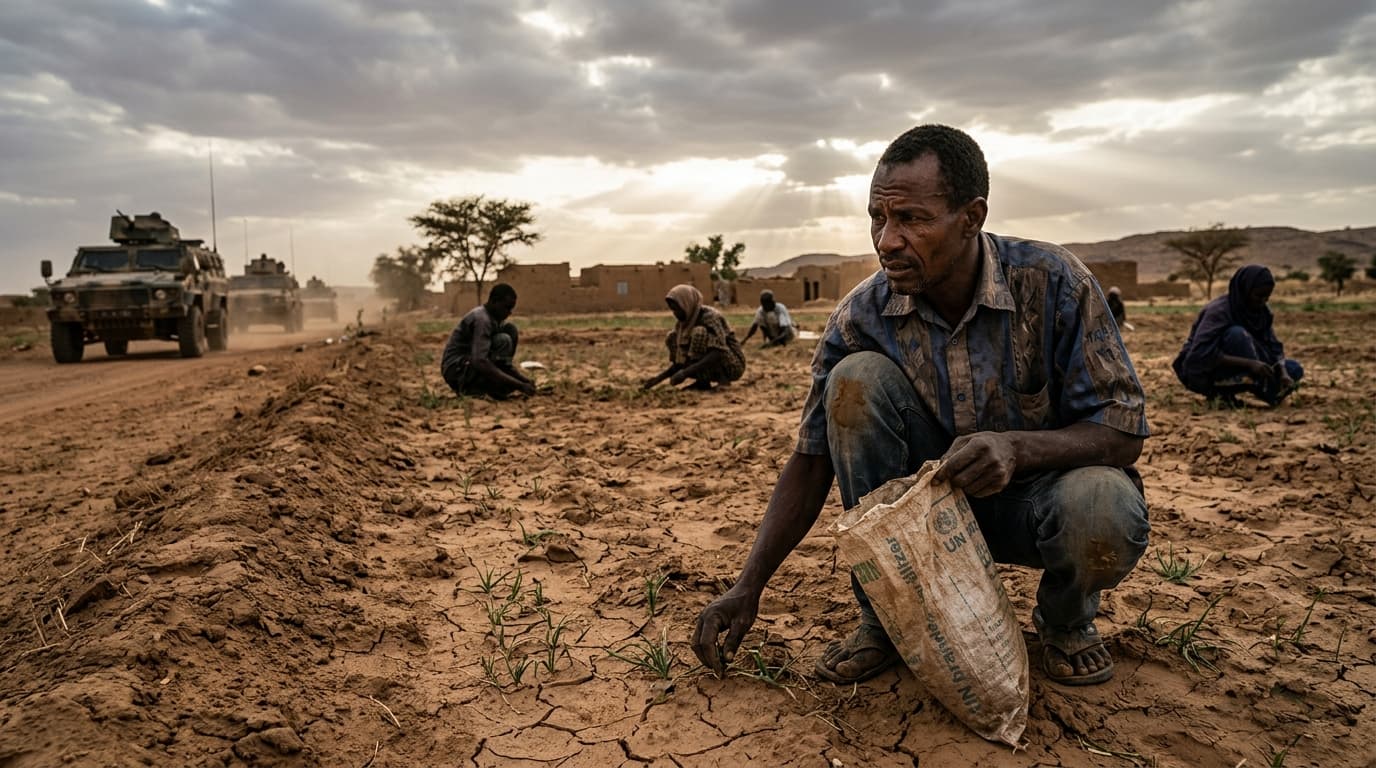
West Africa Food Crisis: Three Shocks in 2026
Conflict, climate extremes, and the Strait of Hormuz closure drive a severe food crisis in West and Central Africa, with fertilizer prices surging 80% and millions displaced.