Musk vs. Altman
A courtroom battle over control of OpenAI's direction and value.
Model Diplomat3 min readUnited States
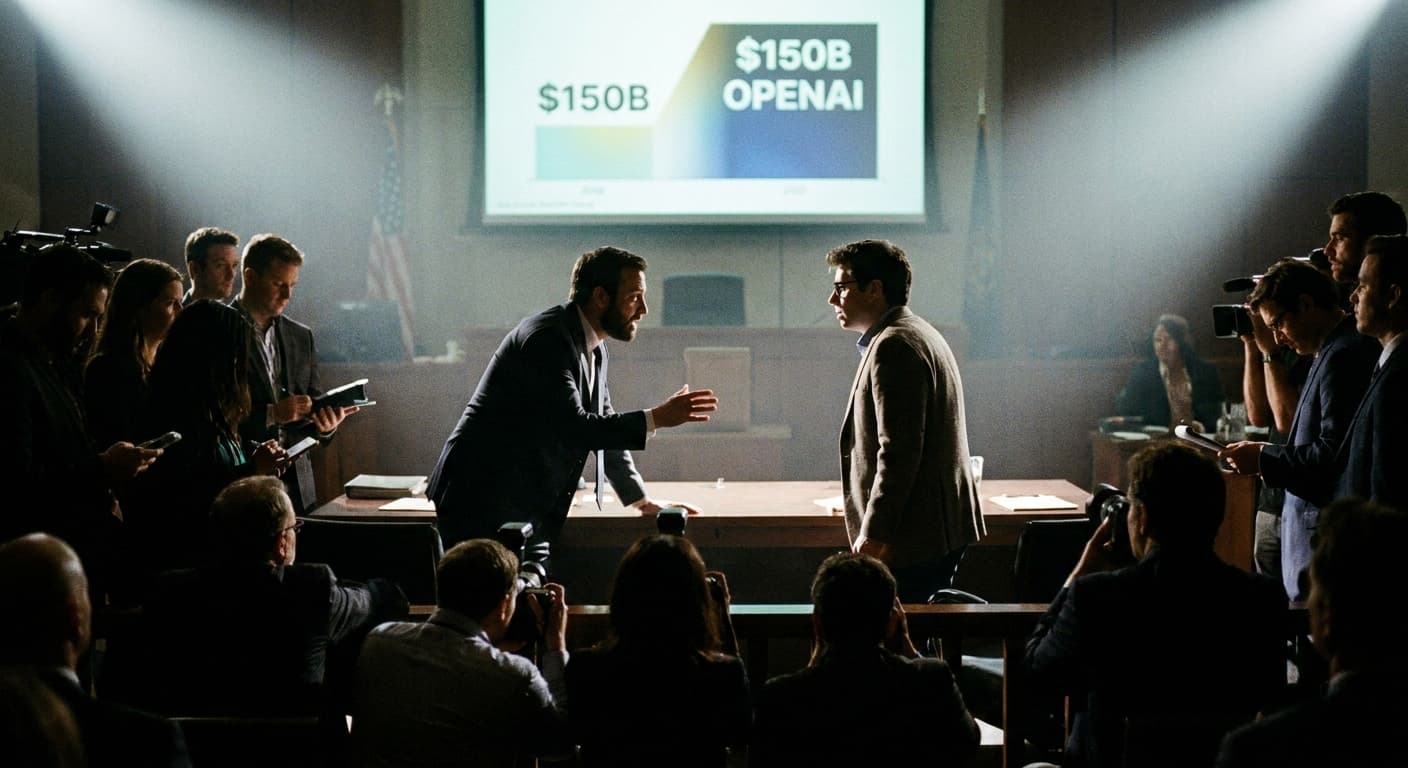
Musk vs. Altman: The $150B AI Trial That Could Reshape OpenAI
The Oakland courtroom showdown is less about past grievances than about who controls the future of a company now valued at $852 billion.
The trial opened this week in Oakland before U.S. District Judge Yvonne Gonzalez Rogers, pitting Elon Musk against OpenAI CEO Sam Altman and co-founder Greg Brockman in what amounts to a proxy war over the soul — and the corporate structure — of the world's most prominent AI lab. Musk's fraud claims were dismissed at his own request just before trial; what remains are breach of charitable trust and unjust enrichment claims, with ~$150 billion in damages sought — earmarked, notably, for OpenAI's charitable arm rather than Musk personally.
The Core Dispute
OpenAI launched in 2015 as a nonprofit. Musk contributed roughly $38 million — approximately 60% of early funding — under the explicit understanding that the lab would remain mission-driven and never become a vehicle for private profit. When OpenAI spun out a capped for-profit entity in 2019, then accelerated that restructuring in subsequent years as Microsoft poured in billions, Musk argues the original bargain was broken.
OpenAI is now valued at $852 billion, with Microsoft as a dominant investor and Altman at the helm of what is functionally a commercial technology giant. The nonprofit shell that once governed it all has seen its ownership stake dramatically diluted — a point Musk's lawyers have hammered as evidence of betrayal, not evolution.
OpenAI and its co-defendants call the suit baseless. In a notable counter-move, OpenAI has urged California and Delaware attorneys general to investigate Musk for anti-competitive behavior, framing the lawsuit as a bad-faith attempt by a direct competitor — Musk's own xAI — to kneecap a rival through litigation.
Why the Conflict Runs Deeper Than a Courtroom
This isn't a dispute between wronged founders. It's a fight over leverage in a market where first-mover advantage is compounding daily. Every month OpenAI operates under its current structure is a month it can raise capital, close enterprise deals, and widen the moat against xAI's Grok models. A ruling that forces governance changes — new board oversight, restored nonprofit authority, restricted investor returns — would directly constrain that competitive engine.
Microsoft is the sleeper defendant here. The Redmond giant has sunk tens of billions into OpenAI and has the most to lose from any judicial restructuring of the partnership. A court finding that the 2019 for-profit conversion breached charitable trust obligations could expose Microsoft to liability it has consistently denied.
Musk, meanwhile, benefits from the trial regardless of outcome. Extended proceedings keep OpenAI under legal cloud, generate discovery disclosures, and offer a public stage to relitigate his departure from the board — all while xAI continues to scale. On Global Politics, few technology disputes carry this level of market and governance consequence simultaneously.
What to Watch Next
Opening arguments land Tuesday, April 28. The critical early question is how Judge Gonzalez Rogers instructs the jury on what "charitable trust" obligations actually required of Altman and Brockman in 2019 — that framing will determine whether Musk's theory is legally viable or collapses before deliberations begin.
Watch also for Microsoft's posture. If the court signals early skepticism of Musk's claims, expect OpenAI to accelerate its for-profit conversion timeline. If Musk draws blood in opening weeks, expect settlement pressure to build — quietly, and fast.
Discover more
US Politics
Congress Targets AI Chatbot Access for Terror
The House passed the Generative AI Terrorism Risk Assessment Act, focusing on AI's role in terrorism and potential surveillance implications.
India
Women’s Reservation Bill 2026
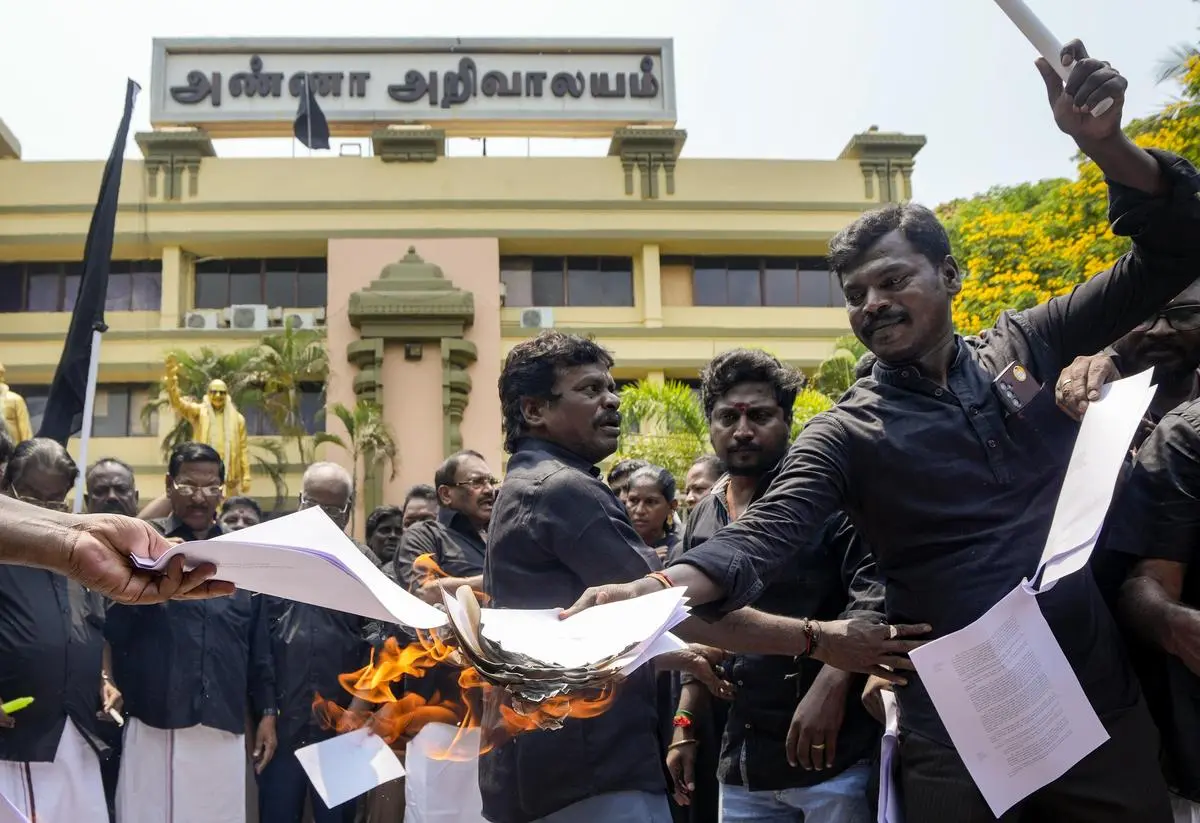
The Constitution (131st Amendment) Bill, 2026 was defeated in Lok Sabha, revealing deeper political conflicts over women's reservation and delimitation.

Global Politics
US Seizes Iranian Ship, Tensions Surge
The US seizure of the Iranian ship Touska highlights a shift in control over the Strait of Hormuz, favoring Iran's strategic position.

Conflict & Security
Drone Warfare Killing Aid Workers at Unprec
Over 1,000 humanitarian workers killed in three years as cheap armed drones collapse legal protections. Gaza, Sudan, Ukraine, and DRC see deliberate targeting of aid convoys and hospitals with zero prosecutions.