Trump's $400 Million Ballroom
Democrats leverage Trump's ballroom project to highlight affordability issues.
Model Diplomat3 min readNorth America

Trump’s Ballroom Gives Democrats an Affordability Wedge
Democrats are turning Trump’s White House ballroom into a simple attack line: GOP power serves prestige projects, not household costs.
Donald Trump holds the agenda-setting power here: by pushing a $400 million White House ballroom, he handed Democrats a ready-made affordability contrast at a moment when cost-of-living politics still dominates voter attention. Democrats are not trying to stop the project through messaging alone; they are trying to make it stand for a broader Republican governing choice — spectacle over prices, donors over disclosure, executive will over congressional oversight The Hill
USA Today.
Why Democrats think this line works
The project is politically useful to Democrats because the facts are unusually concrete. The ballroom has been priced at $400 million and sold by the White House as privately financed, but the funding vehicle itself became a liability once details emerged showing that many donors could remain anonymous and that the agreement lacked a full conflicts review framework for major gifts USA Today
The Washington Post.
That matters because Democrats do not need to prove taxpayers are directly footing the bill. Their stronger argument is that a presidency talking relentlessly about ordinary Americans is simultaneously devoting political capital to a luxury-style expansion backed by corporate and undisclosed money. In campaign terms, that is cleaner than an abstract ethics complaint.
The White House’s defense is also not trivial. Administration allies argue the ballroom solves a long-running functional problem: the East Room seats roughly 200, while larger White House events often require tents on the South Lawn, with recurring logistical and restoration costs CNN. That gives Republicans an answer: this is permanent infrastructure for future administrations, not just Trump branding.
The real vulnerability is oversight, not architecture
The bigger risk for Republicans is that the ballroom has become a separation-of-powers fight. U.S. District Judge Richard Leon blocked construction from moving forward without express congressional authorization, and the legal challenge from the National Trust for Historic Preservation has kept the project tied to questions of executive authority rather than design taste USA Today
CNN.
That is where Democrats benefit most. A donor-backed ceremonial project is one problem; a donor-backed ceremonial project that appears to bypass normal congressional control is a much stronger line of attack. It lets Democrats fold the story into a wider US politics narrative about affordability, influence and institutional guardrails in the
United States.
What to watch next
The next decision point is not rhetorical. It is legal and congressional. Watch whether the administration can secure a clearer court path after Leon’s ruling, and whether Republicans in Congress move to explicitly authorize the project or keep their distance. If GOP lawmakers hesitate, Democrats will treat that as evidence that even Trump’s allies see the politics as toxic. If the White House wins on appeal, Democrats will shift from legality back to donor secrecy and cost.
The ballroom only matters if it stays visible. Court deadlines, donor disclosures, and any congressional move to authorize funding are what keep this story alive.
Discover more

Conflict & Security
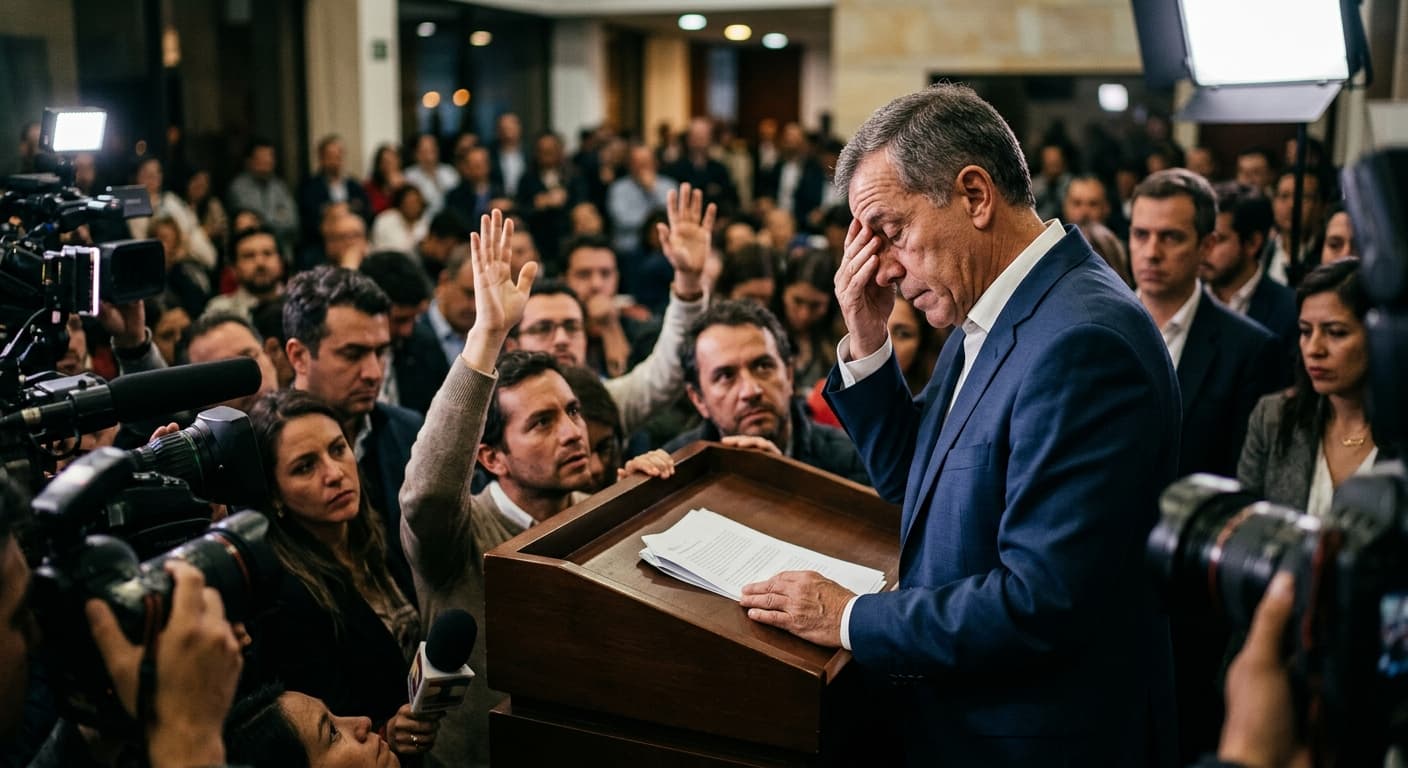
De la Espriella's Razor Win Resets US-Colomb
De la Espriella's razor-thin election win signals a reset in US-Colombia relations, reshaping security ties and the agenda under a Trump-aligned approach.
International Relations
Colombia's Razor-Thin Rightward Pivot
Colombia swings right as Abelardo de la Espriella narrowly wins the presidential runoff by under one percent, exposing a deeply divided and polarized nation.
Global Politics
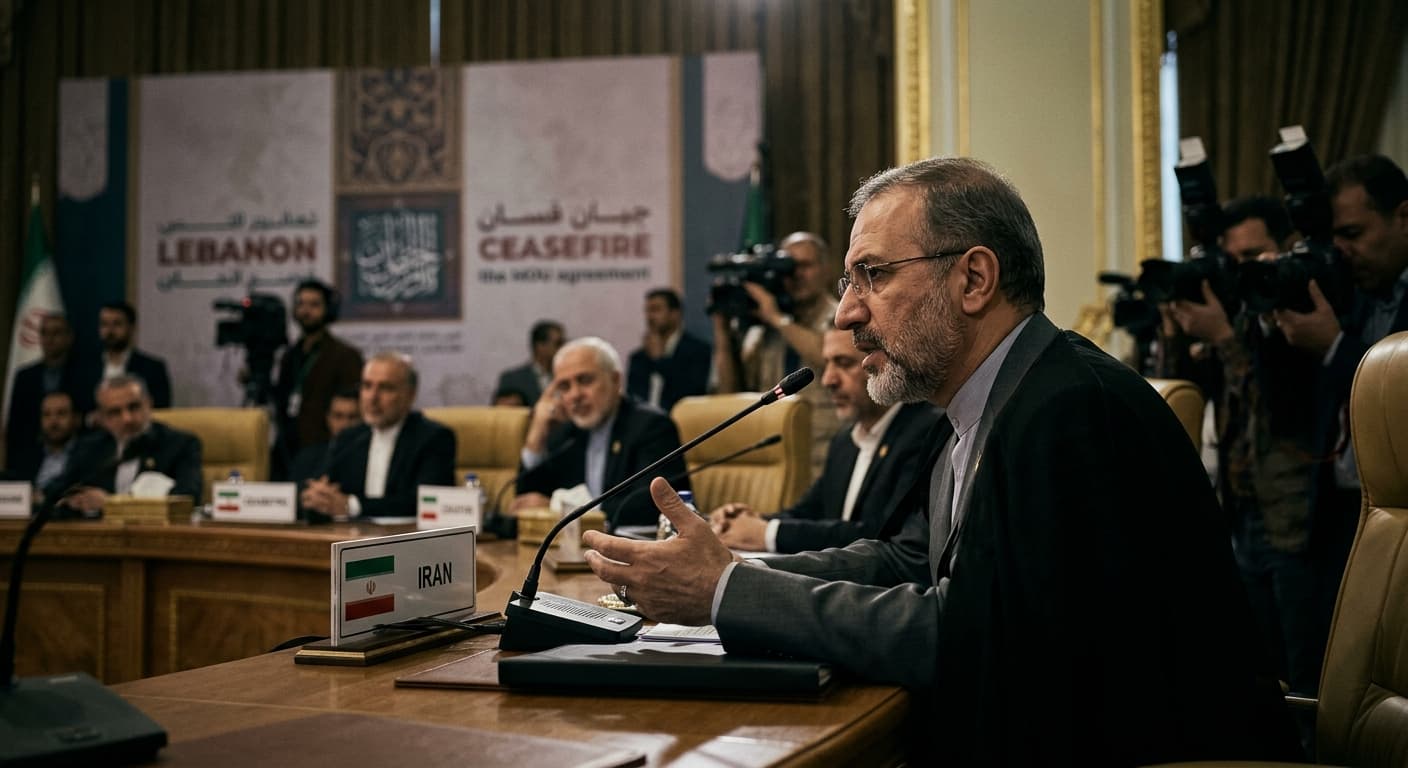
Iran Demands US Enforce Ceasefire
Iran insists the United States must enforce a ceasefire in Lebanon to uphold the memorandum of understanding, raising pressure on Washington and Netanyahu.

Conflict & Security
Trump's Iran Deal Faces Bipartisan Backlash
Trump's Iran deal draws fierce criticism from both Republicans and Democrats, exposing deep political divides over the ceasefire and the terms of the agreement.