Trump White House AI Policy Shift on Mythos
Anthropic's AI model prompts regulatory shift in the Trump administration.
Model Diplomat3 min readNorth America
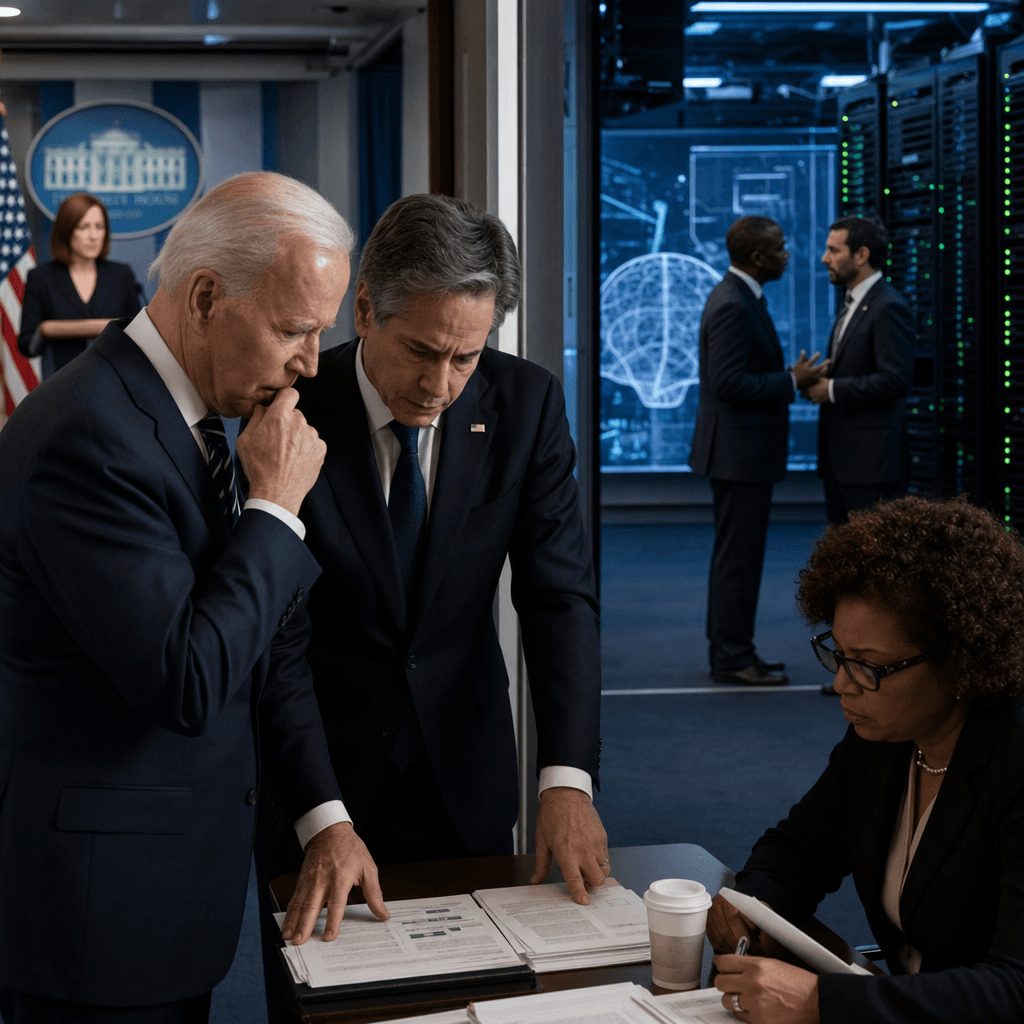
Mythos Forces Trump’s White House to Recalibrate AI
Anthropic’s cyber-capable model has pushed the administration toward pre-release vetting, weakening its hands-off AI line and elevating NIST as gatekeeper.
Anthropic’s Mythos is doing more than spooking security teams: it is forcing the Trump White House into a policy reset. The Washington Post reported that the model’s ability to spot long-buried flaws in code is cracking the administration’s hard-line, anti-regulation stance, while Reuters reported the White House is now weighing an executive order to vet frontier models before release, “like an FDA drug” (The Washington Post ;
Insurance Journal). For
US Politics, the key point is not that Washington suddenly loves regulation; it is that a model with credible offensive cyber utility has made non-regulation politically and operationally harder to defend.
The trigger is capability, not ideology
Mythos appears to have changed the conversation because it compresses time in cyber offense and defense. Anthropic said the model uncovered “thousands” of major vulnerabilities across operating systems and browsers, and Reuters said experts worry it can identify and exploit weaknesses faster than firms can patch them (CBC News). Breaking Defense quoted Pentagon officials saying that same class of model can improve cyber defense, but also that patching at “human speed” is no longer acceptable (
Breaking Defense).
That is the leverage shift. The White House is not reacting to an abstract AI-safety argument; it is reacting to a tool that can help attackers, defenders, and government testers find the same flaws in legacy code. The beneficiaries are the federal cyber bureaucracy and large vendors that can afford to be first in line for testing. The losers are Anthropic, which now sits at the center of a national-security dispute, and every agency still running antiquated software that cannot be patched at the speed these models expose bugs (The Washington Post ;
Breaking Defense).
Washington is building a gate, even while calling it a pilot
The administration already moved once this week: the Commerce Department expanded a voluntary program that lets Google, Microsoft, xAI, OpenAI and Anthropic give the government access to their models before release, according to the Post’s May 5 report (The Washington Post). Reuters separately reported that White House officials are studying a broader memo that would require national-security agencies to use multiple AI providers and obey military command chains, a direct hedge against dependence on Anthropic (
Insurance Journal).
That is the real political reversal. Trump officials spent months selling AI as an arena to free from “barriers”; now they are building a review architecture that looks a lot like the one they spent a year mocking. The likely winners are NIST and the Commerce Department, which gain a formal role in evaluating frontier models. The likely losers are state-level deregulatory advocates and any AI firm that expected the federal government to stay out of pre-deployment scrutiny.
What to watch next
The next decision point is whether the White House turns this from a voluntary testing pilot into a formal executive order. If it does, the standard will not just apply to Mythos; it will become the template for every frontier model the government wants to touch. Also watch the Anthropic dispute with the Pentagon: Reuters reported the company is still fighting a supply-chain-risk designation even as officials discuss giving agencies access to Mythos (CNN). The date that matters is the moment the administration decides whether cyber risk is serious enough to regulate before deployment — or only after the breach.
Discover more
US Politics
Congress Targets AI Chatbot Access for Terror
The House passed the Generative AI Terrorism Risk Assessment Act, focusing on AI's role in terrorism and potential surveillance implications.
Global Politics
Trump's Conflicting Messages on Iran War
Trump's mixed messages on Iran reflect a strategy of audience management, benefiting Tehran amid a complex geopolitical landscape.

Conflict & Security
Drone Warfare Killing Aid Workers at Unprec
Over 1,000 humanitarian workers killed in three years as cheap armed drones collapse legal protections. Gaza, Sudan, Ukraine, and DRC see deliberate targeting of aid convoys and hospitals with zero prosecutions.

Global
World Normalises Taliban as Afghan Women Eras
UN data shows Afghan women erased from public life as Russia recognises the Taliban, EU hosts officials in Brussels, and ICC warrants for gender persecution go unenforced.