Rubio Leverages Qatar for Iran Negotiations
U.S. leans on Qatar's access to Iran for diplomatic efforts
Model Diplomat2 min readMiddle East
Rubio Hands Qatar the Iran Backchannel
The Miami sit-down shows Washington is leaning on Doha’s access to Tehran, while Pakistan remains the nominal mediator and Iran’s reply is still pending.
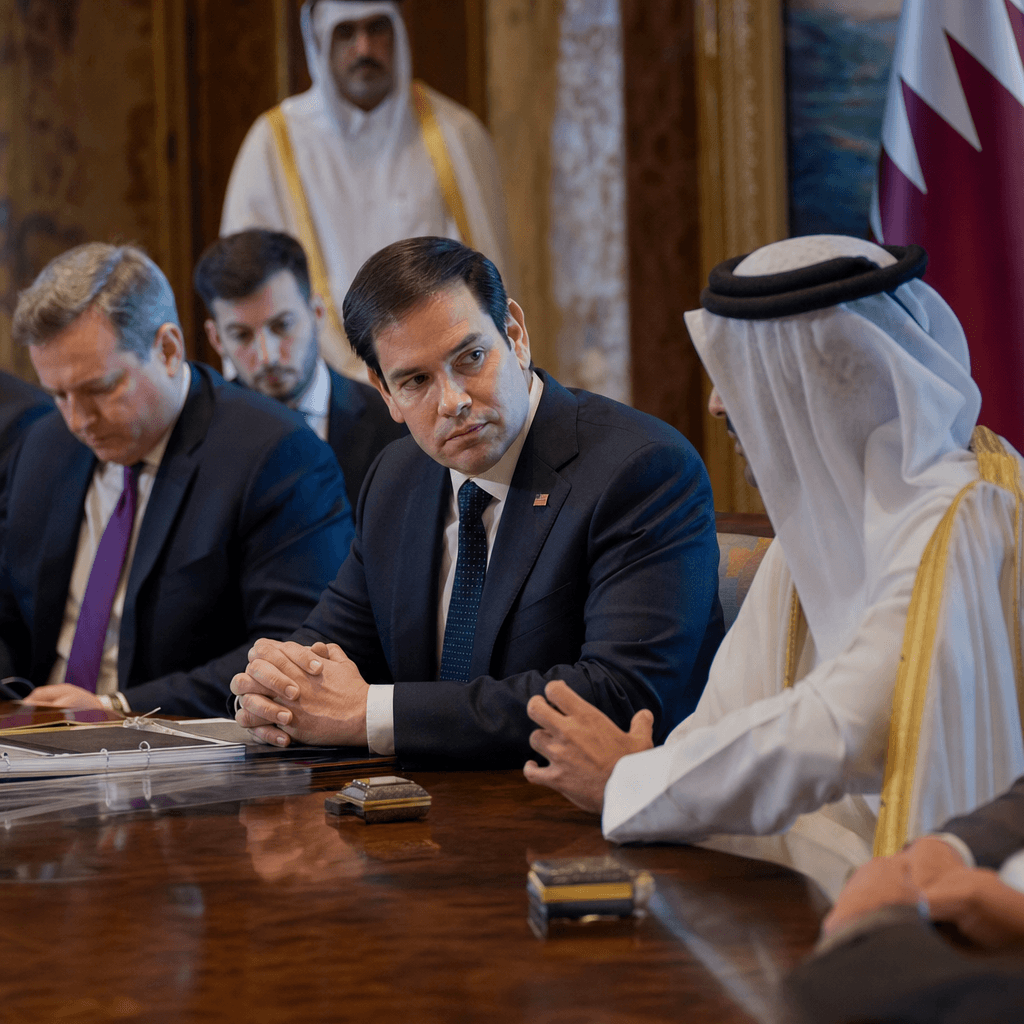
The Miami meeting between Secretary of State Marco Rubio, White House envoy Steve Witkoff and Qatari Prime Minister Mohammed bin Abdulrahman al-Thani was not a courtesy call. It was an effort to keep the Iran channel alive while Washington waits for Tehran’s response to a one-page memorandum meant to end the war and set a framework for deeper talks, Axios reported. The Qataris were already active behind the scenes, and Rubio said the U.S. expected Iran’s answer “today” as of Friday, according to CNBC. Axios
CNBC
Qatar is the real leverage point
The power dynamic is straightforward: Qatar has become the mediator Washington trusts most for the hard part of the job. Axios says the White House sees Doha as especially effective with Iran, with Qatari officials working directly through contacts tied to the Islamic Revolutionary Guard Corps while Pakistan remains the official intermediary. The BBC likewise reported that the U.S. and Iran are edging toward a one-page deal, but that skepticism remains inside Washington about whether any agreement can survive Iran’s internal decision-making. Axios
BBC
That matters for United States policy because Doha’s value is not ceremonial; it is access. If Qatar can get a message to the right Iranian security actors faster than a formal channel can, it controls tempo. That gives al-Thani leverage in Washington too: the more indispensable Qatar becomes, the more room it has to shape the terms of any pause, sanctions relief, or follow-on nuclear talks.
Axios
Pakistan is official, but not decisive
Pakistan’s role is still important, but it looks procedural rather than decisive. Axios said Pakistan has been the official mediator since the war began, while Qatar has handled the more sensitive backchannel work. CNBC’s reporting on Rubio’s remarks reinforces the near-term pressure point: the administration is waiting on Iran’s answer, and the next move depends on whether Tehran treats the draft as a basis for “serious negotiation.” Axios
CNBC
The practical effect is to widen the diplomatic circle. Axios said Qatar, Pakistan, Egypt, Turkey and Saudi Arabia are working in tandem to push both sides toward de-escalation. That is a sign the administration wants regional ownership of the process, but it also shows how fragile the channel is: if Iran rejects the memo, the whole arrangement shifts from mediation to containment. Axios
What to watch next
The next decision point is Tehran’s response and whether it is substantive enough for Rubio and Witkoff to claim momentum. If Iran punts, the diplomacy loses face; if it engages, Doha’s role expands and Pakistan’s formal mediation becomes a cover for a Qatar-centered process. Watch for follow-up calls between al-Thani, Washington and Riyadh, and for any U.S. statement on whether the memorandum is a ceasefire scaffold or the start of a broader nuclear track. Axios
BBC
Discover more
Global
Qatari Tanker Strike Exposes Hormuz Tensions
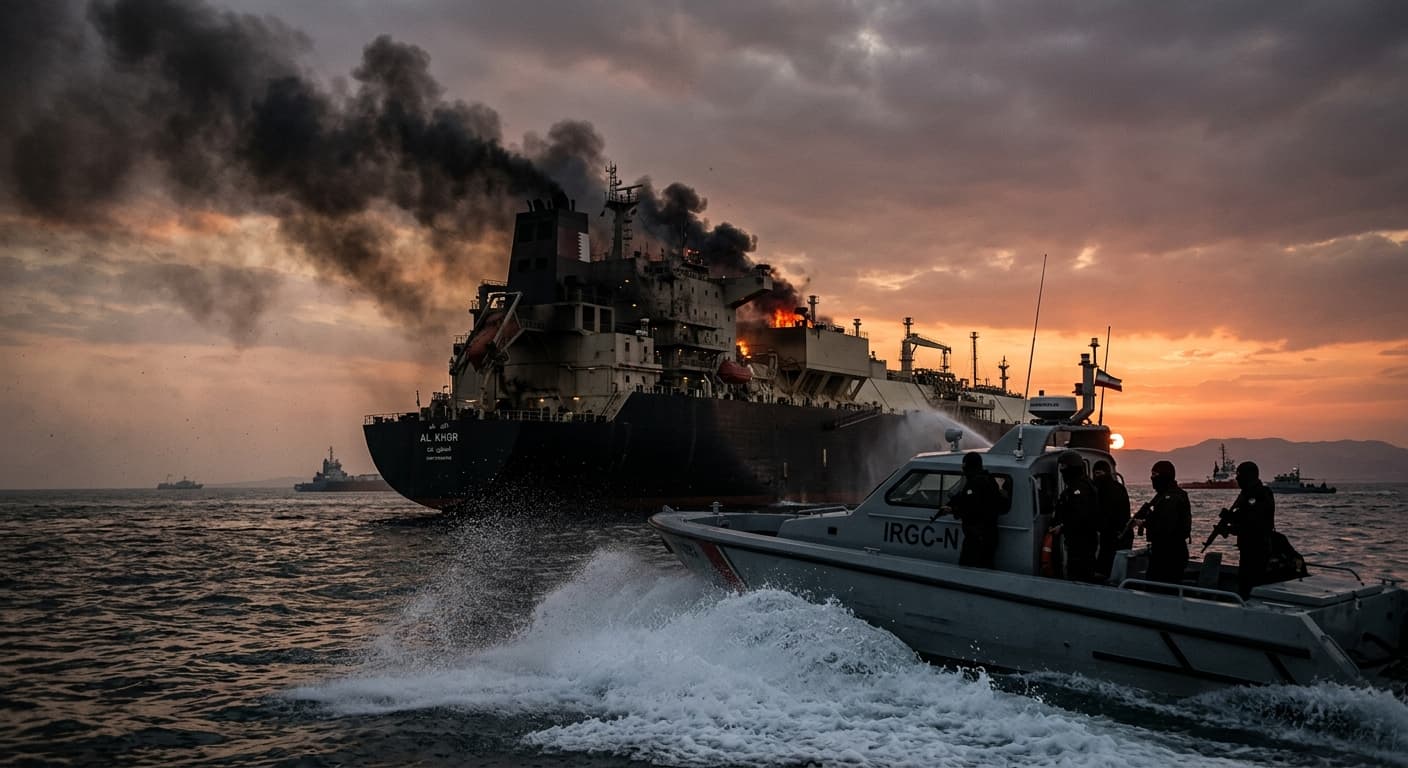
A Qatari tanker was struck off Oman, revealing the fragility of the Hormuz ceasefire and Iran's influence over maritime security.
Global
Khamenei's Funeral Signals Iran's Decline
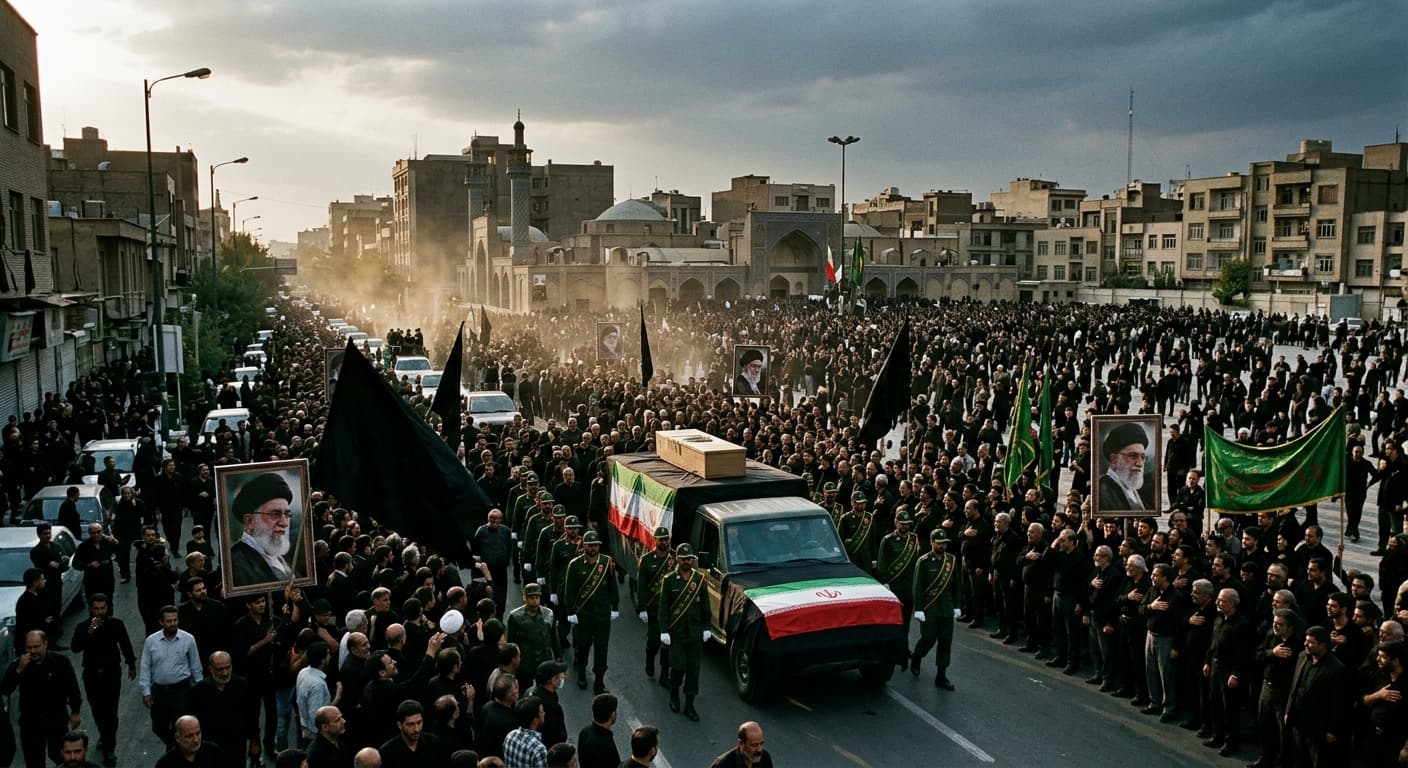
The funeral of Ayatollah Khamenei highlights Iran's diminished influence in the Gulf, with regional powers now dictating terms.

Global
Iran's Hormuz Missile Strikes: A Toll Booth
Iran's missile attack on a Qatari-linked tanker highlights Tehran's strategy to control the Strait of Hormuz, impacting Gulf states and maritime law.
Tech Policy
Iran's Cavern Manticore Targets Israel's IT
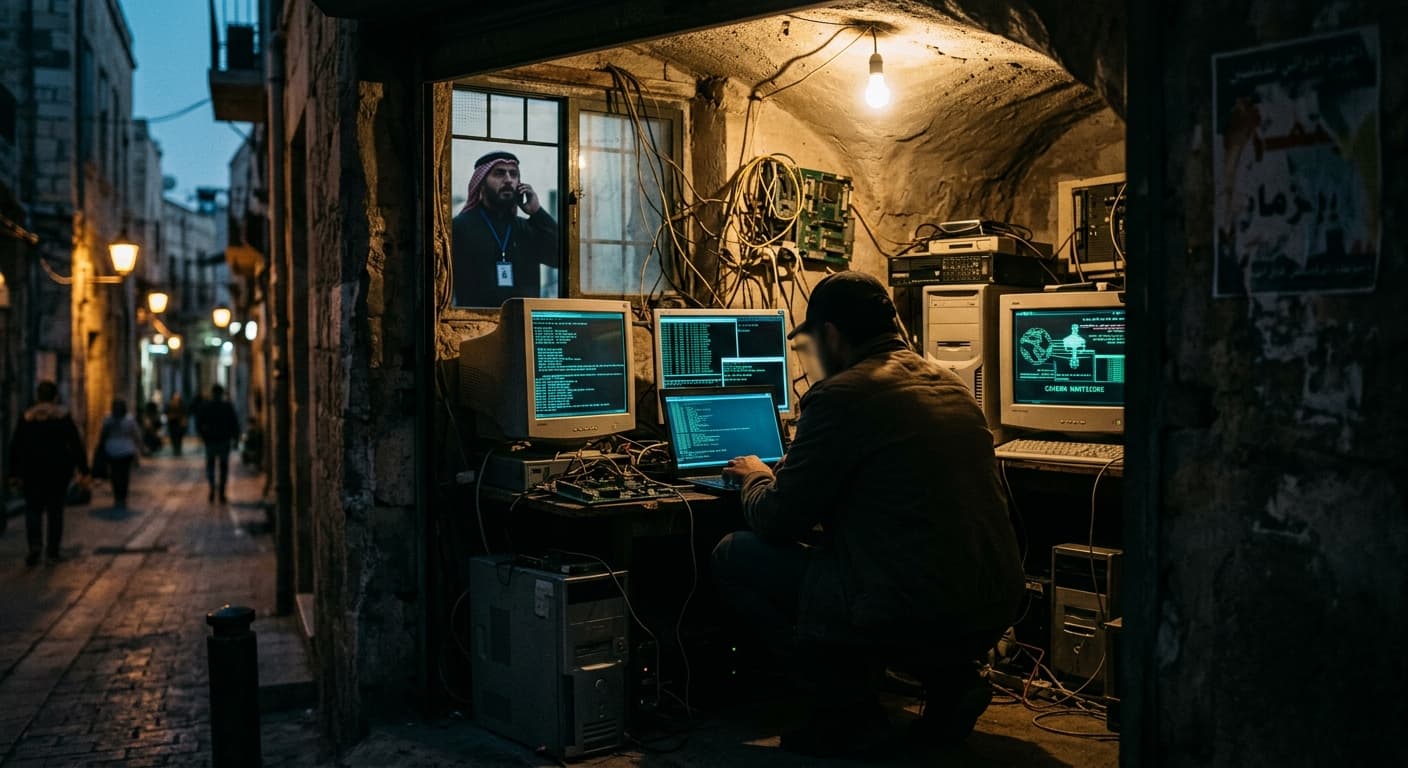
Cavern Manticore, an Iran-linked hacking group, targets Israeli IT vendors, prompting a shift in Israel's cybersecurity policy and legislative efforts.