Trump Signs Iran Ceasefire—But Issues Remain
Memorandum sidesteps core disputes over uranium and Hormuz management.
Model Diplomat3 min readMiddle East
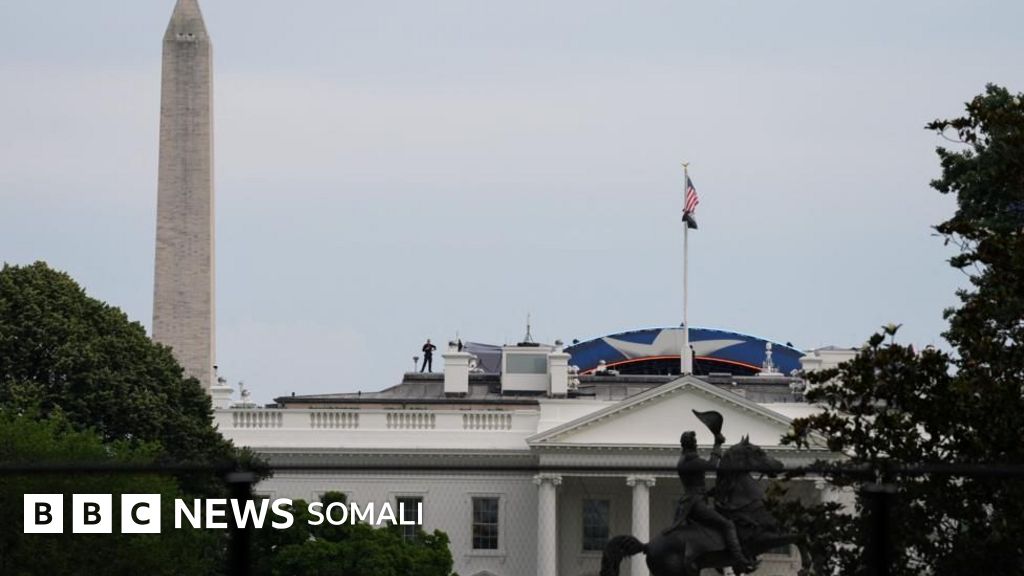
Trump Signs Iran Ceasefire—But Nuclear and Hormuz Issues Remain Unresolved
Memorandum sidesteps core disputes over uranium stockpiles and strait management, kicking hardest decisions to 60-day negotiation window.
BBC News reports that US President Donald Trump signed a 14-point Memorandum of Understanding with Iran on Wednesday at the Palace of Versailles during the G7 summit, ending the four-month conflict that began in February. The agreement immediately halts military operations "on all fronts, including in Lebanon," reopens the Strait of Hormuz, and provides a $300 billion reconstruction plan. But the settlement papers over the questions that made this war inevitable—Iran's nuclear ambitions, control of vital shipping lanes, and Tehran's funding of regional proxies—leaving all three as contingent issues to be hammered out in the next 60 days.
What the Memorandum Actually Locks In
The accord's binding commitments are modest. Iran must reaffirm it will not pursue nuclear weapons, allow safe commercial passage through Hormuz for 60 days at no charge, and enter talks on its highly enriched uranium. The US will remove its naval blockade within 30 days and issue waivers for Iranian oil exports. Point 11 makes frozen or restricted Iranian assets available—a concession Trump spent his first term attacking Obama for offering in the 2015 JCPOA.
The reconstruction fund is purely aspirational. Al Jazeera notes that the US commits only to "develop" a plan "with regional partners"—it is not required to contribute a penny. Trump and Vice President JD Vance both emphasized this to deflect domestic criticism;
the BBC quoted a US official saying the mechanism will be finalized "within 60 days" as part of a final deal. The money would flow from Arab states or foreign investors, not Washington.
The Three Landmines Left Buried
The Strait of Hormuz presents an immediate leverage play. Iran's parliamentary speaker, Mohammad Bagher Ghalibaf, told state television the waterway "will not return to pre-war conditions" and Iran "will receive a fee for services." Al Jazeera reports the MOU says Iran will manage the strait "in discussion with" Oman and Gulf states, but makes no binding claim on charges. Trump cannot deliver the "permanently toll-free" passage he promised; Iran will negotiate new tolls after the 60-day window. That reopening of global oil flows was his near-term "victory"—but Iran holds renegotiation rights.
On enriched uranium, the accord defers the central dispute. BBC News notes that Iran holds an estimated 440 kg of uranium enriched to 60 percent—short of weapons-grade (90%) but dangerously close. The MOU commits both sides to "mutually agreed" methods of handling it, with "down-blending" (dilution on-site) as the minimum. Originally Trump demanded removal from the country entirely. He accepted dilution to show progress, but Iran's Foreign Ministry
confirmed to BBC Somali that Tehran will not ship the material abroad—a reversal from his opening position.
Lebanon remains unresolved. Point 1 declares "immediate and permanent termination" of military ops there, but Israel's Prime Minister Benjamin Netanyahu denies plans to withdraw from southern Lebanon, and Trump has publicly criticized Israeli strikes in Beirut. BBC Somali reports that Iran's Foreign Ministry has signaled Lebanon is non-negotiable, tied to Hezbollah's survival. If Israel escalates, Iran faces pressure to respond—and the ceasefire collapses.
Why This Holds and Why It Breaks
Both sides needed daylight. Iran claims victory—the state withstood four months of bombing without surrendering its nuclear program or missile capability. Trump claims he stopped a nuclear Iran and reopened shipping lanes, averting what he called "economic catastrophe." BBC News observes that expectations inside Iran are now high; any compromise on uranium enrichment has already been sold as victory, making further concessions politically toxic for Tehran's leadership.
The next 60 days expose the gap between image and reality. Trump has already warned he will "bomb the hell" out of Iran if no final agreement emerges—a threat that clarifies both the stakes and the fragility of this pause.
Discover more
Global
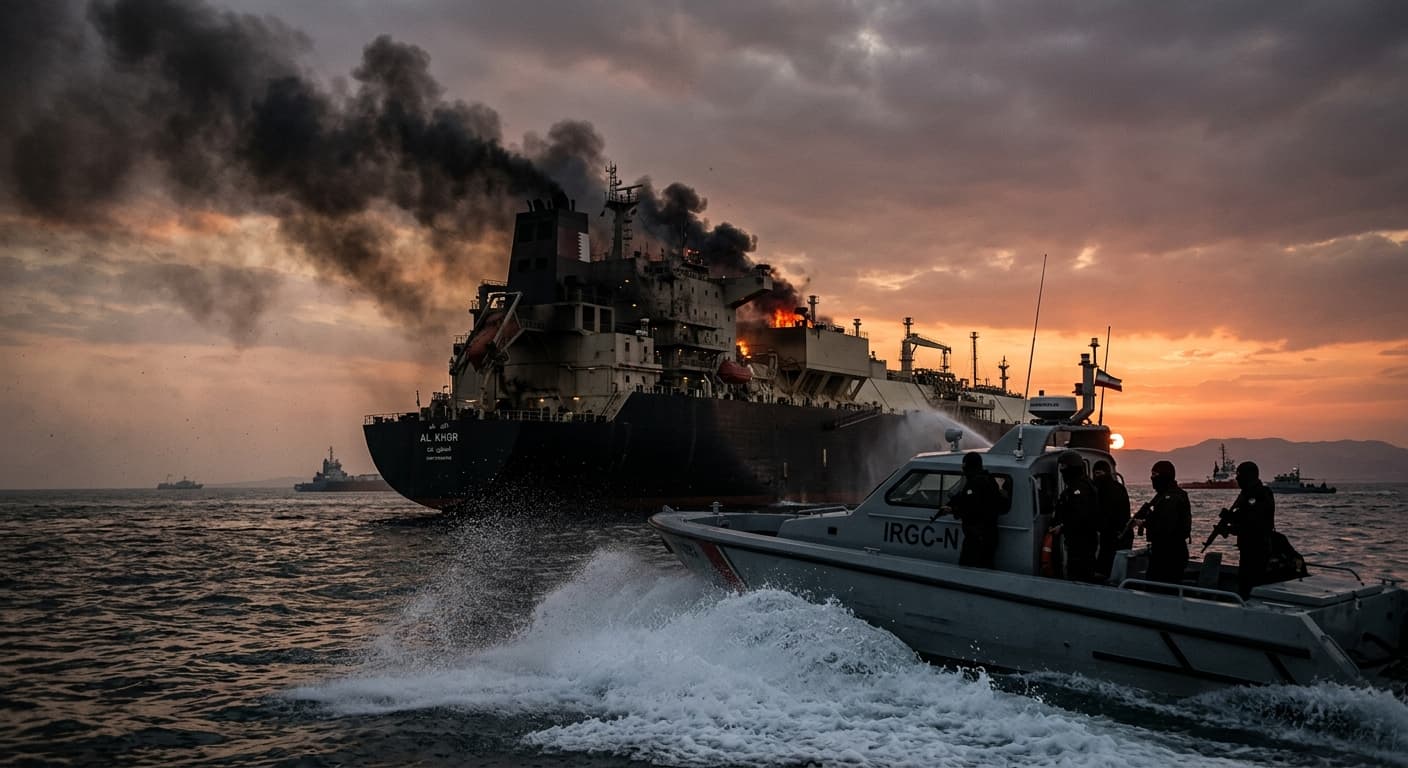
Qatari Tanker Strike Exposes Hormuz Tensions
A Qatari tanker was struck off Oman, revealing the fragility of the Hormuz ceasefire and Iran's influence over maritime security.
Global
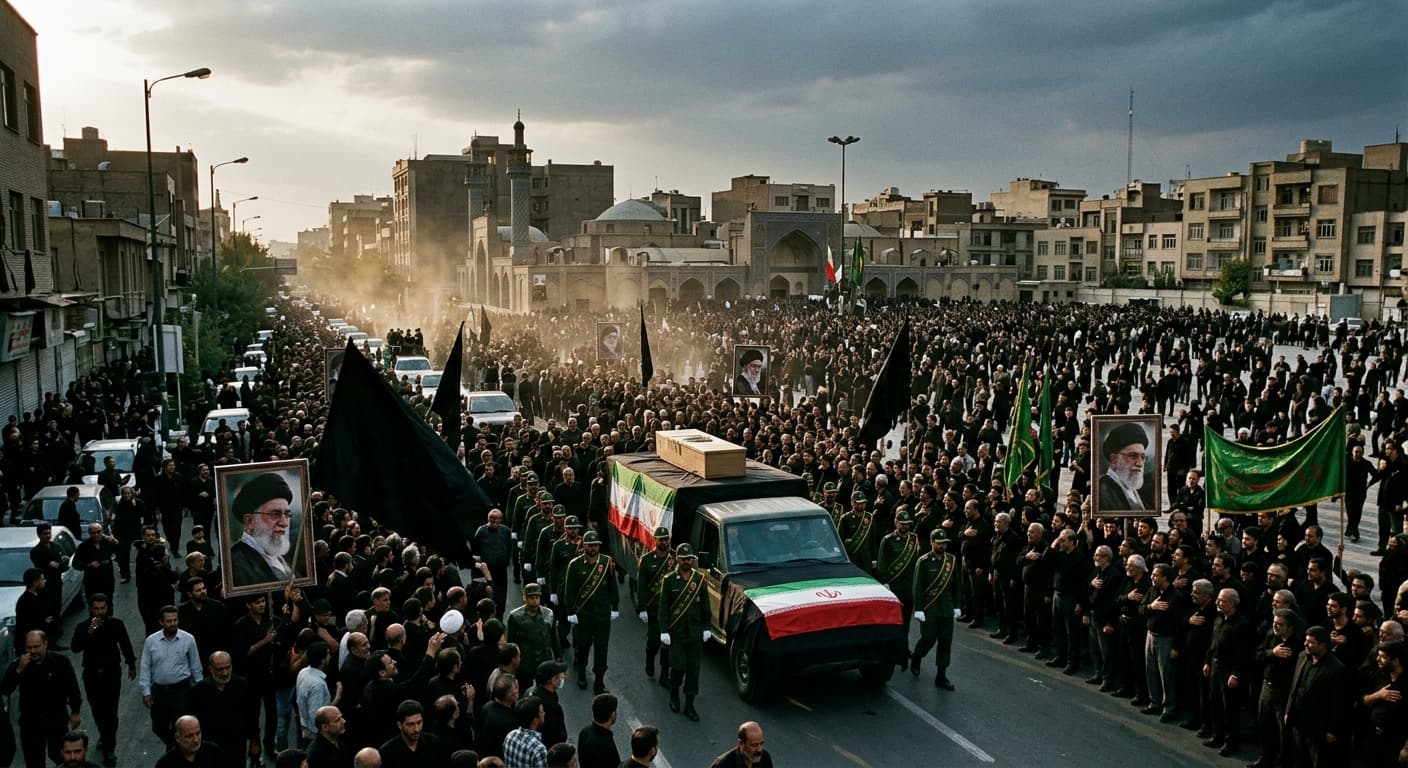
Khamenei's Funeral Signals Iran's Decline
The funeral of Ayatollah Khamenei highlights Iran's diminished influence in the Gulf, with regional powers now dictating terms.
Global
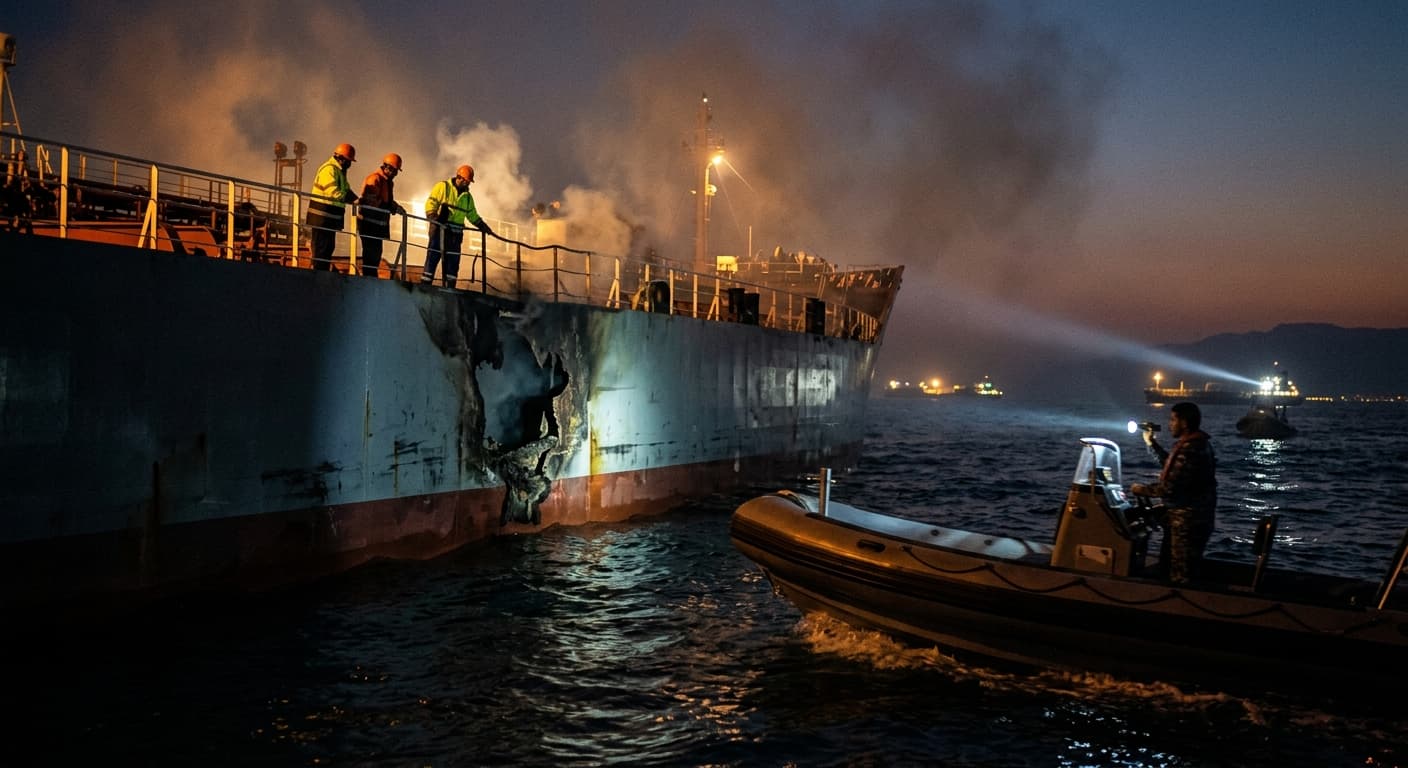
Iran's Hormuz Missile Strikes: A Toll Booth
Iran's missile attack on a Qatari-linked tanker highlights Tehran's strategy to control the Strait of Hormuz, impacting Gulf states and maritime law.
Tech Policy
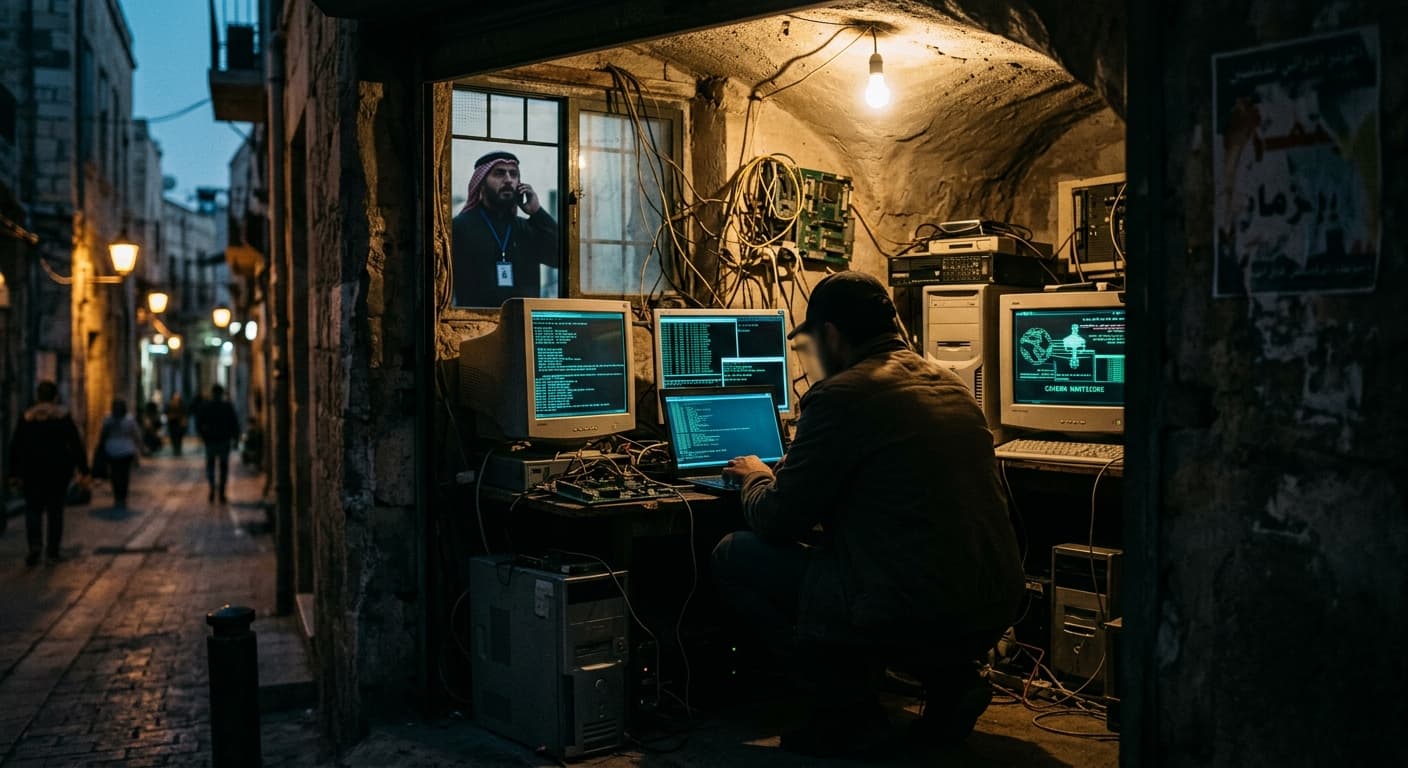
Iran's Cavern Manticore Targets Israel's IT
Cavern Manticore, an Iran-linked hacking group, targets Israeli IT vendors, prompting a shift in Israel's cybersecurity policy and legislative efforts.