Trump Hints at US-Iran Peace Talks Amid Cease
Iran keeps Hormuz Strait open as Trump hints at diplomacy.
Model Diplomat3 min readMiddle East

Trump hints at new US-Iran peace talks as Lebanon ceasefire begins
Iran confirms Hormuz Strait remains open amid a Lebanon ceasefire, while Trump signals possible new US-Iran talks — a rare diplomatic opening in a turbulent region.
Iran’s announcement that the strategic Hormuz Strait remains open comes at the same time as a ceasefire takes hold in Lebanon’s latest conflict and Donald Trump hints at the possibility of renewed peace talks between the U.S. and Iran. This constellation of developments on April 17, 2026, suggests a subtle but notable shift in the regional dynamics long marred by hostility and proxy wars.
Why the Strait of Hormuz and Lebanon Matter
The Strait of Hormuz is a critical chokepoint for global energy supplies, with roughly 20% of the world's oil passing through it daily. Iran’s control and influence over the strait means any threat to its openness triggers spikes in global oil prices and heightens geopolitical tensions. Iran’s reassurance that the strait remains open marks a tactical calming of nerves for international markets and regional actors alike.
Lebanon, meanwhile, has been the arena of repeated conflicts involving Hezbollah, Iran’s main proxy in the Middle East, and Israel. The recent ceasefire, brokered after a fresh round of violence, signals a momentary halt in hostilities that have repeatedly destabilized Lebanon and threatened wider regional escalation. The ceasefire’s timing alongside Iran’s open-strait declaration signals Tehran’s interest in projecting restraint—or at least control—amid pressure from multiple fronts.
Trump’s Peace Talk Hint: What’s Behind It?
Donald Trump, who left office amid fraught U.S.-Iran relations, surprising many by suggesting that “peace talks could happen soon,” is signaling a potential thawing in one of Washington’s most entrenched stand-offs. This is significant because it follows years of maximum pressure policies, sanctions, and proxy conflicts that have hardened both sides’ positions.
While no formal negotiations have been announced, Trump’s statement could be an attempt to reset dialogue by leveraging his unique political brand and contacts. It also reflects the broader U.S. strategic calculus under the current administration to explore diplomatic openings with Iran — a nuance often underplayed in official Washington discourse.
This prospective diplomatic engagement comes as the Middle East grapples with the fallout of conflict spillovers, energy security concerns, and shifting alliances involving Saudi Arabia, Israel, and Iran. It also raises questions about how the U.S. might reconcile its traditional support for Israel and Gulf allies with a renewed engagement with Tehran.
What to Watch Next
-
Progress on US-Iran Talks: Will Trump’s hint translate into concrete diplomatic efforts, or is it political posturing? Any dialogue could revive contentious topics like Iran’s nuclear program, sanctions relief, and regional security frameworks.
-
Regional Ripple Effects in Lebanon and Beyond: The durability of the Lebanon ceasefire may test Hezbollah’s role and Iran’s influence. Stability here affects Israel’s security calculus and broader Gulf dynamics.
-
Global Energy Markets: As the Hormuz Strait remains a linchpin of oil transport, markets will closely monitor Iranian statements and any sign of future disruptions linked to regional tensions.
Iran and Lebanon’s recent moves, coupled with unexpected signals from the U.S., highlight a rare, intricate dance toward dialogue. For now, it’s a moment to watch — not just a pause in conflict, but a potential pivot in a deeply entrenched regional standoff.
For more on Iran and Middle East tensions, see Global Politics and
Iran.
Source: Reuters, April 17, 2026
Discover more
US Politics
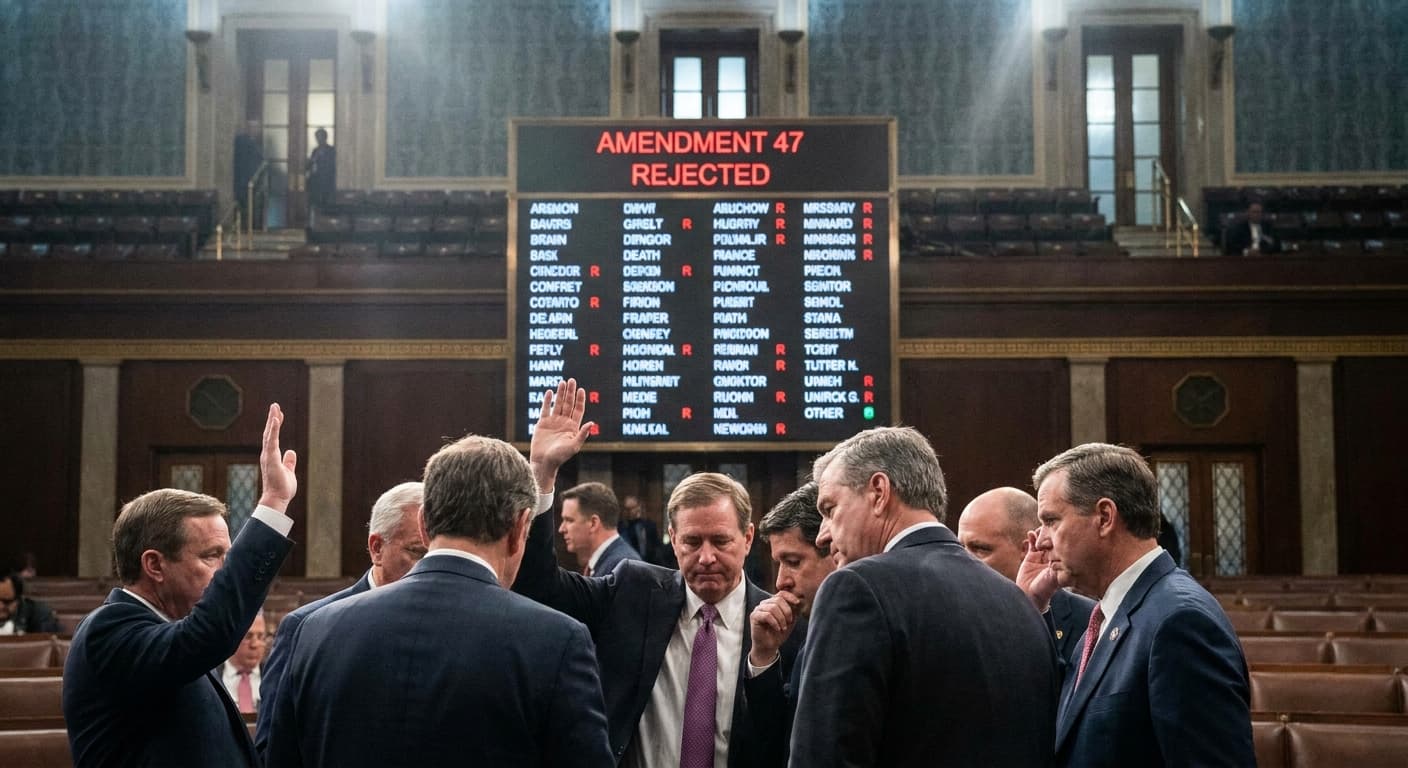
House Rejects Resolution on Trump's Iran Host
The House voted down a resolution to limit Trump's military actions in Iran, laying bare partisan divides and reigniting debate over presidential war powers.

Global Politics
China's New Strategy for Taiwan and Japan
China softened its stance on Taiwan and Japan, eyeing the 2028 election and regional stability as Middle East turmoil reshapes its geopolitical calculations.

Global Politics
Day 47 of US-Iran Conflict
On day 47 of the US-Iran conflict, Red Cross aid reaches Iran as military strikes continue, underscoring a tangled humanitarian and geopolitical crisis.

Conflict & Security
Drone Warfare Killing Aid Workers at Unprec
Over 1,000 humanitarian workers killed in three years as cheap armed drones collapse legal protections. Gaza, Sudan, Ukraine, and DRC see deliberate targeting of aid convoys and hospitals with zero prosecutions.