Trump Blasts CBS After Assassination Attempt
Media war erupts after shooting at White House Correspondents' Dinner
Model Diplomat3 min readUnited States
Now I have a solid picture. Here's the analysis:
Trump Fires Back at CBS After Assassination Attempt on His Officials
A gunman targeted Trump's circle at the WHCD — and the President's sharpest public anger is aimed at a television network.
A shooting attempt at the White House Correspondents' Dinner on April 26 has collided with a media war. Cole Tomas Allen, 31, of Torrance, California, breached a security checkpoint at the Washington Hilton armed with a .38-caliber pistol and a 12-gauge shotgun, shooting and wounding a Secret Service agent before being tackled. Acting AG Todd Blanche says Allen "likely" targeted Trump and senior administration officials; a note Allen reportedly sent to family before the attack describes Trump as a "traitor" and refers to himself as a "friendly federal assassin." Allen faces two counts of using a firearm during a crime of violence and one count of assaulting a federal officer. He is not cooperating with investigators.
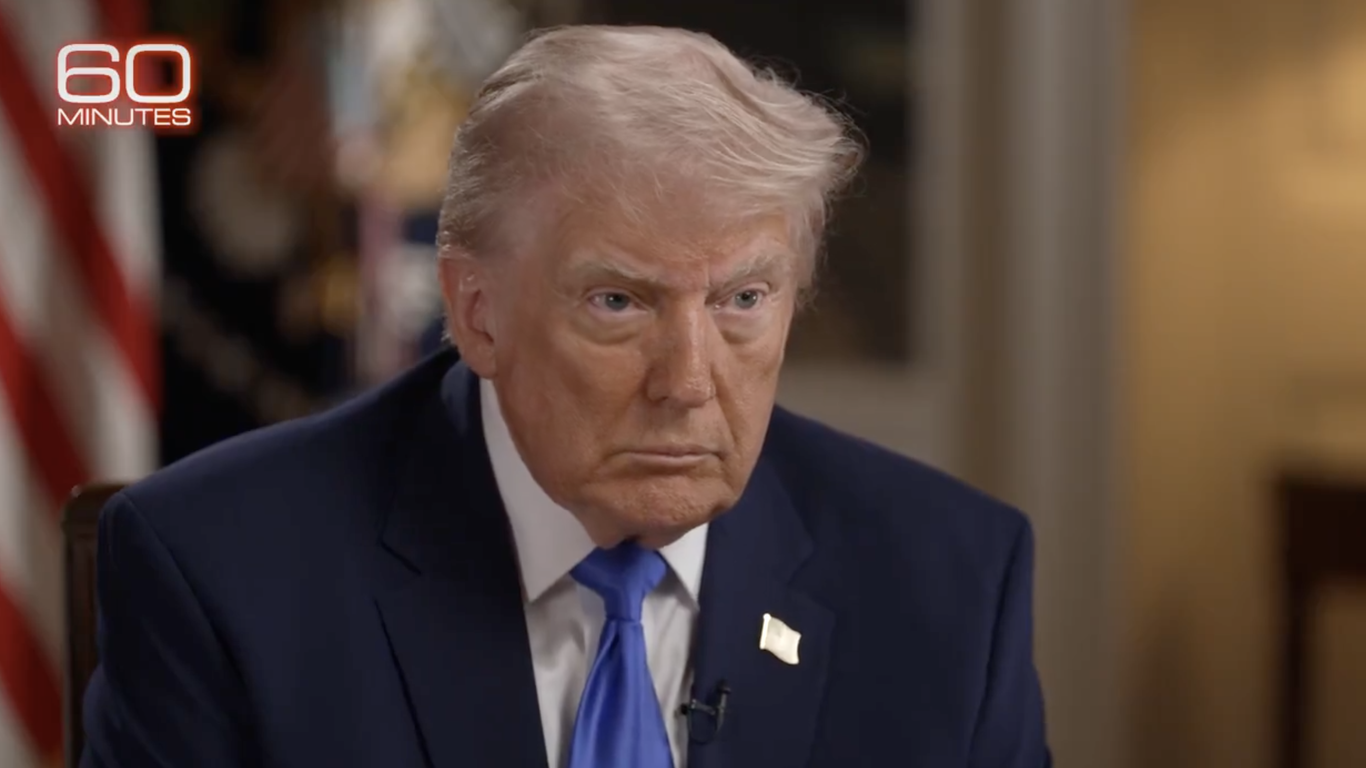
Before the smoke cleared, CBS News's "60 Minutes" asked Trump about alleged content in Allen's manifesto — and Trump's response was to call the question a "disgrace," slamming the network rather than engaging the substance.
The Leverage Play
Trump's deflection is tactical, not impulsive. CBS and the White House are already in an adversarial posture — the network's journalism has been a recurring target since his return to office. By branding the manifesto question as disqualifying rather than answering it, Trump shifts the story's frame from his administration being targeted by political violence to media misconduct. That move benefits him on two levels: it rallies his base around a familiar enemy, and it discourages further reporting on what the manifesto actually says about the political climate he has helped shape.
The manifesto's reported content — grievances about "detention camps," explicit identification of Trump as a traitor — is precisely the kind of document that invites questions about radicalization and political temperature. Allen's profile cuts against easy narrative: a Caltech-educated former teacher with left-wing activist ties, regular firearms training, and a methodical journey from Los Angeles to Chicago to Washington. This wasn't a spontaneous act; it was planned political violence, and the manifesto is the clearest window into motive.
What the Media War Obscures
The operational security question is being drowned out. Allen apparently obtained proximity to the event without a public ticket — exploiting hotel-room access — meaning the security perimeter had a gap that a .38 and a shotgun walked right up to. Secret Service described its response as effective; the agent's ballistic vest did its job. But the vector of access matters enormously for future events, and that story is competing for oxygen with a Trump-vs.-CBS feud.
For US Politics, this is now a dual crisis: a live criminal investigation into an assassination plot and an accelerating media confrontation that may constrain reporting on the former.
What to Watch Next
Allen's arraignment in federal court in Washington is the first hard marker — prosecutors' charging decisions will signal whether they pursue a terrorism enhancement, which would reframe the political stakes entirely. Watch whether CBS airs the interview and the manifesto question in full, forcing the White House to respond on the record. And track whether congressional Republicans demand hearings on Secret Service protocols — or train their fire exclusively on the press, following Trump's lead.
The manifesto doesn't disappear because the President calls the question a disgrace. It becomes evidence.
Discover more
Global Politics
Trump's Conflicting Messages on Iran War
Trump's mixed messages on Iran reflect a strategy of audience management, benefiting Tehran amid a complex geopolitical landscape.

Global Politics
US Seizes Iranian Ship, Tensions Surge
The US seizure of the Iranian ship Touska highlights a shift in control over the Strait of Hormuz, favoring Iran's strategic position.

Conflict & Security
Drone Warfare Killing Aid Workers at Unprec
Over 1,000 humanitarian workers killed in three years as cheap armed drones collapse legal protections. Gaza, Sudan, Ukraine, and DRC see deliberate targeting of aid convoys and hospitals with zero prosecutions.

Global
World Normalises Taliban as Afghan Women Eras
UN data shows Afghan women erased from public life as Russia recognises the Taliban, EU hosts officials in Brussels, and ICC warrants for gender persecution go unenforced.