Trump Opens Door to Gas Tax Suspension as Prices Rise
Chris Wright is testing a gas-tax holiday as fuel costs spike, but Congress would have to approve it and the relief would be modest.
The White House is trying to get ahead of the political damage, not solve the market shock. Energy Secretary Chris Wright said Sunday on NBC’s Meet the Press that the Trump administration is “open to all ideas” to lower gasoline prices, including suspending the federal gas tax ( NBC News). Axios reported that this softens an earlier White House line that the idea was “not currently under consideration” (
 Axios).
Who holds the leverage
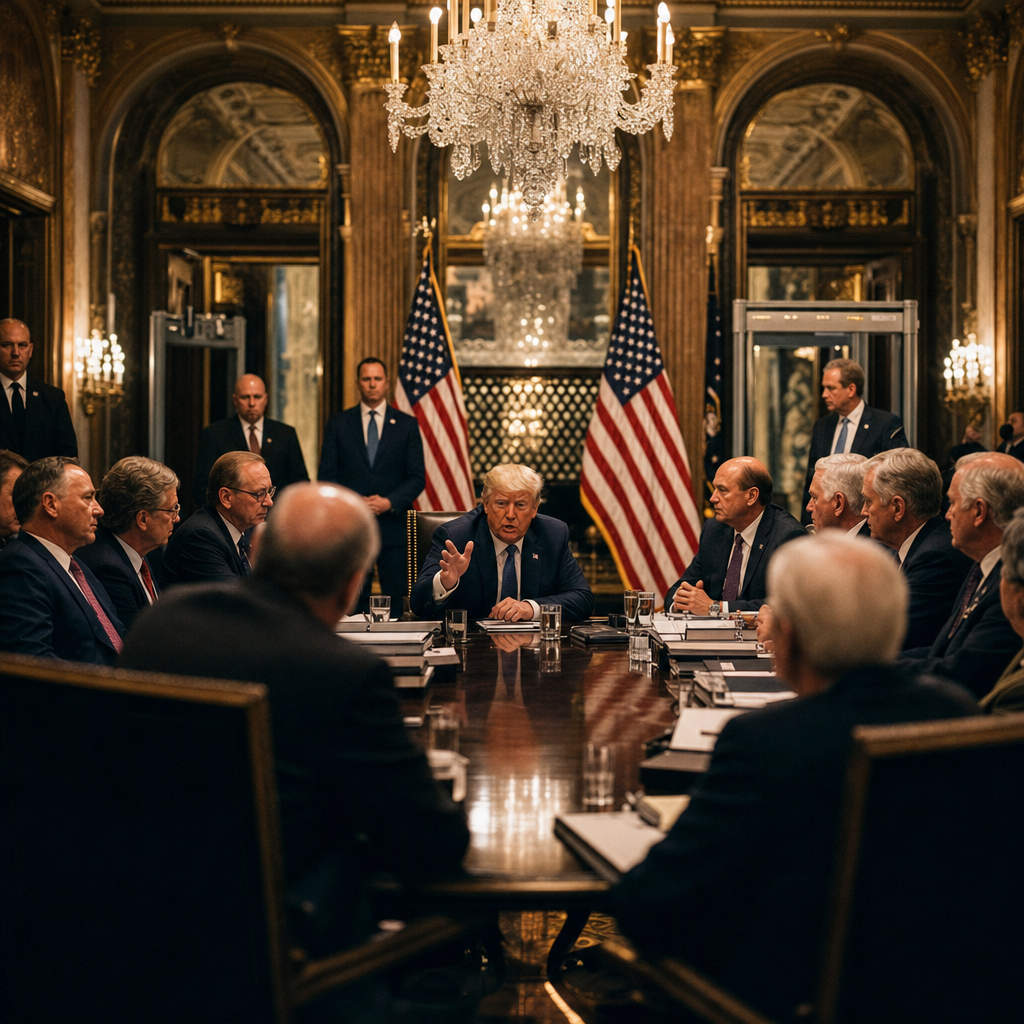
The administration can signal, but Congress controls the actual switch. Axios notes that suspending the 18.3-cent federal gasoline tax would require legislation, since the levy funds the Highway Trust Fund that pays for roads, bridges and transit (Axios). That makes this less a policy decision than a political test: can Trump force lawmakers to put a temporary tax cut on the floor while drivers are staring at higher pump prices?
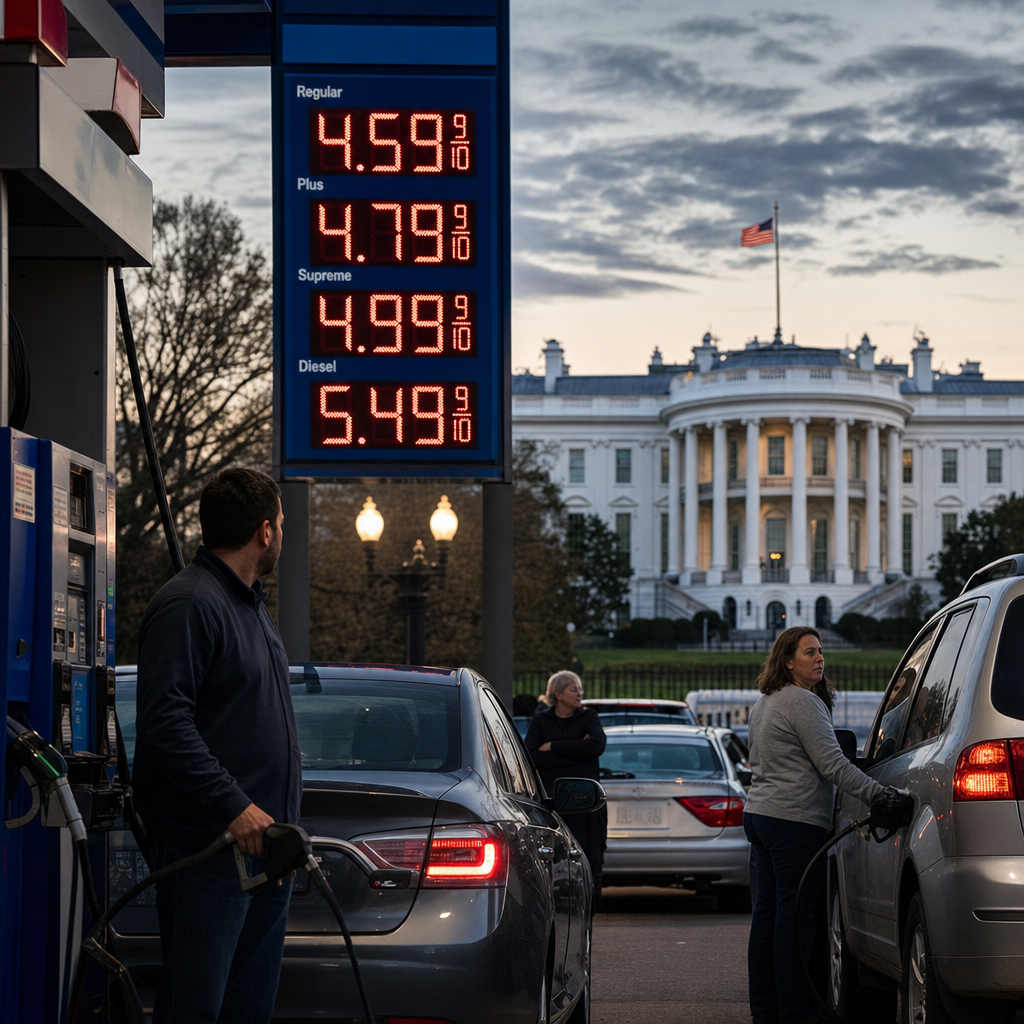
That pressure is real. Axios said the national average for regular gasoline hit $4.52 a gallon Sunday, up from just under $3 when the war began, and NBC quoted Wright saying the administration is in favor of “all measures” that can lower the price at the pump (Axios; NBC News). In other words, the White House is not setting policy so much as road-testing a midterm message: blame external shocks, promise relief, and keep the tax cut on the table.
Why it matters
The politics are obvious; the economics are less so. Axios reports that even a full suspension would only shave about 10 to 16 cents off a gallon, based on a Bipartisan Policy Center estimate (Axios). That means the federal tax holiday is a headline-grabber, not a fix. If prices are being driven by a global oil shock, Washington can create some relief around the edges, but it cannot quickly reset the market.
That is why the proposal benefits the White House politically more than motorists economically. Trump gets to show he is responsive to pain at the pump. Congressional Republicans get a consumer-friendly issue to campaign on. The losers would be the Highway Trust Fund and, potentially, deficit hawks who do not want a temporary tax cut with uncertain pass-through at the pump. For Democrats, the issue is awkward: they have also floated suspension bills, but if Trump owns the message, he can still claim he is the one acting first.
What to watch next
The next decision point is not in the energy department; it is on Capitol Hill. If the administration really wants a suspension, it will need a bill, a whip count, and a rapid timeline. Watch for whether House Republicans take up the idea before summer driving season peaks, and whether Trump pushes Congress to move or uses the proposal as a campaign talking point only. The real test comes when prices stay elevated and lawmakers have to choose between fiscal caution and visible relief.