Trump Leverages Time in Iran Negotiations
Trump slows Iran talks to gain leverage over Tehran.
Model Diplomat3 min readMiddle East
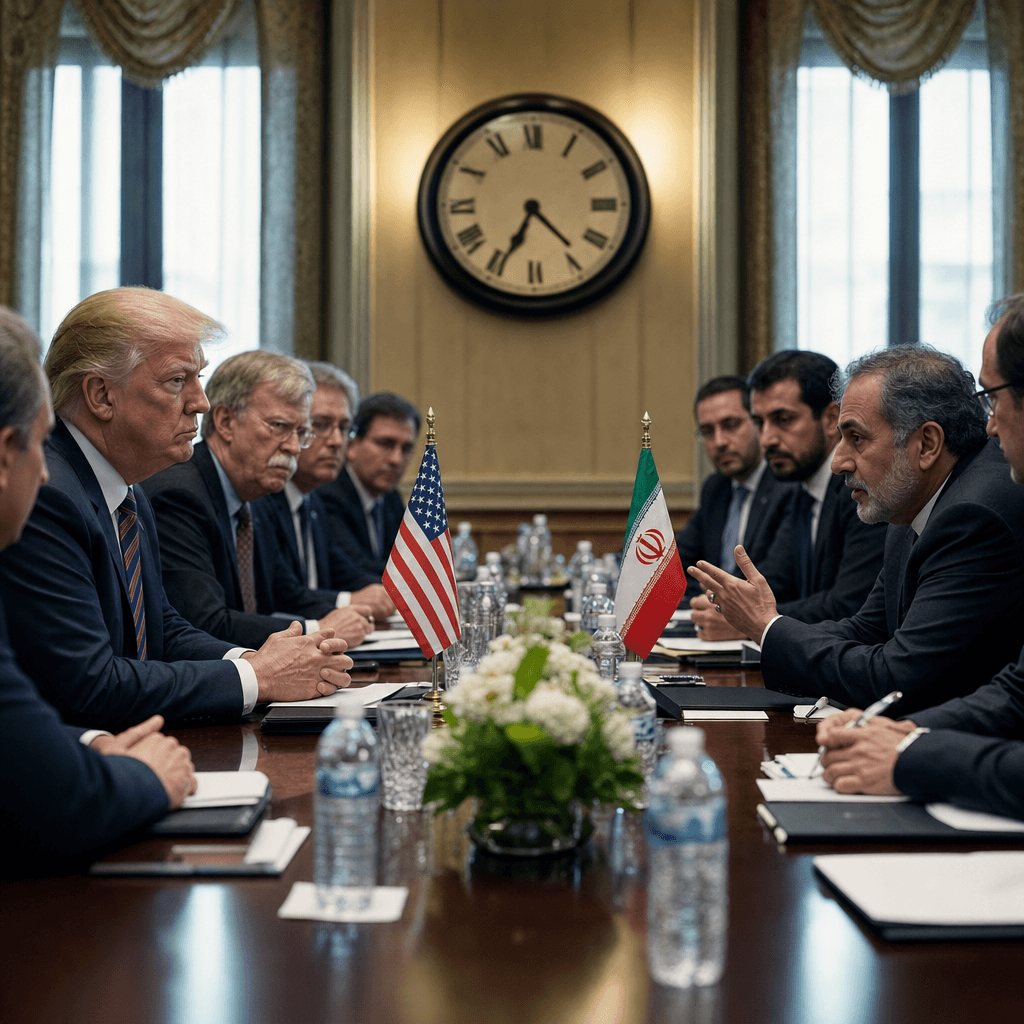
Trump Uses Time as Leverage in Iran Talks
Trump is slowing the pace to extract more from Tehran, keeping sanctions pressure and the Hormuz choke point in place until he gets a deal on his terms.
Trump is signaling that Washington controls the timetable. After telling negotiators “not to rush into a deal,” he said talks with Iran were proceeding “in an orderly and constructive manner” but that “time is on our side,” while also warning that the US blockade of Iranian ports would stay “in full force and effect” until an agreement was reached, certified and signed, according to BBC News Türkçe and
Al Jazeera. That is the core power move here: Trump is trying to turn an apparent breakthrough into a better bargain, not a quick one.
Washington wants concessions, not headlines
The structure of the emerging deal matters more than the rhetoric. BBC News Türkçe reported that the package under discussion could include a 60-day ceasefire extension, the reopening of the Strait of Hormuz, and further talks on Iran’s nuclear program, while
Al Jazeera said the framework could be staged, with a short-term pause first and a broader negotiating window of 30 to 60 days. The exact sequencing is still fuzzy, which tells you the deal is not finished — it is being used as leverage.
That gives Trump two advantages. First, he can claim progress without paying upfront. Second, he keeps pressure on Tehran while the threat of renewed strikes still hangs over the talks; Al Jazeera reported that the White House had even considered another military round before putting that option on hold. Iran, by contrast, wants relief now: freer oil exports, access to frozen assets, and limits on the US blockade. In other words, Tehran needs the deal to unlock economic breathing space; Washington wants the deal to formalize Iranian restraint.
The Gulf wants de-escalation; Israel wants hard limits
The regional politics are pulling in different directions. Trump said he spoke with leaders from Saudi Arabia, the UAE, Qatar, Pakistan, Turkey, Egypt, Jordan and Bahrain, plus Israeli Prime Minister Benjamin Netanyahu, before posting that an agreement had been “largely negotiated,” according to Al Jazeera. That is not just diplomatic theater. It shows the Gulf states are now part of the pressure mechanism, because they have the most to lose if shipping through Hormuz remains unstable and oil markets stay volatile.
Netanyahu is the other major constraint. Al Jazeera reported that the Israeli leader wants any agreement to include dismantling Iran’s enrichment sites. That is a far harder line than a temporary freeze or a framework memorandum. So while Gulf capitals benefit from a pause in escalation, Israel’s security establishment loses if Trump settles for a partial arrangement that leaves Iran’s nuclear infrastructure intact.
What to watch next
The next decision point is the next 72 hours: whether Trump formalizes a memorandum, whether Iran accepts a timetable for nuclear limits, and whether the Strait of Hormuz reopens in practice or remains a bargaining chip. Watch for two things in particular: any US statement on frozen Iranian assets, and whether the agreement text includes verified restrictions on uranium enrichment, not just vague promises. If those details slip, this moves from breakthrough to another round of coercive diplomacy.
Discover more
Global
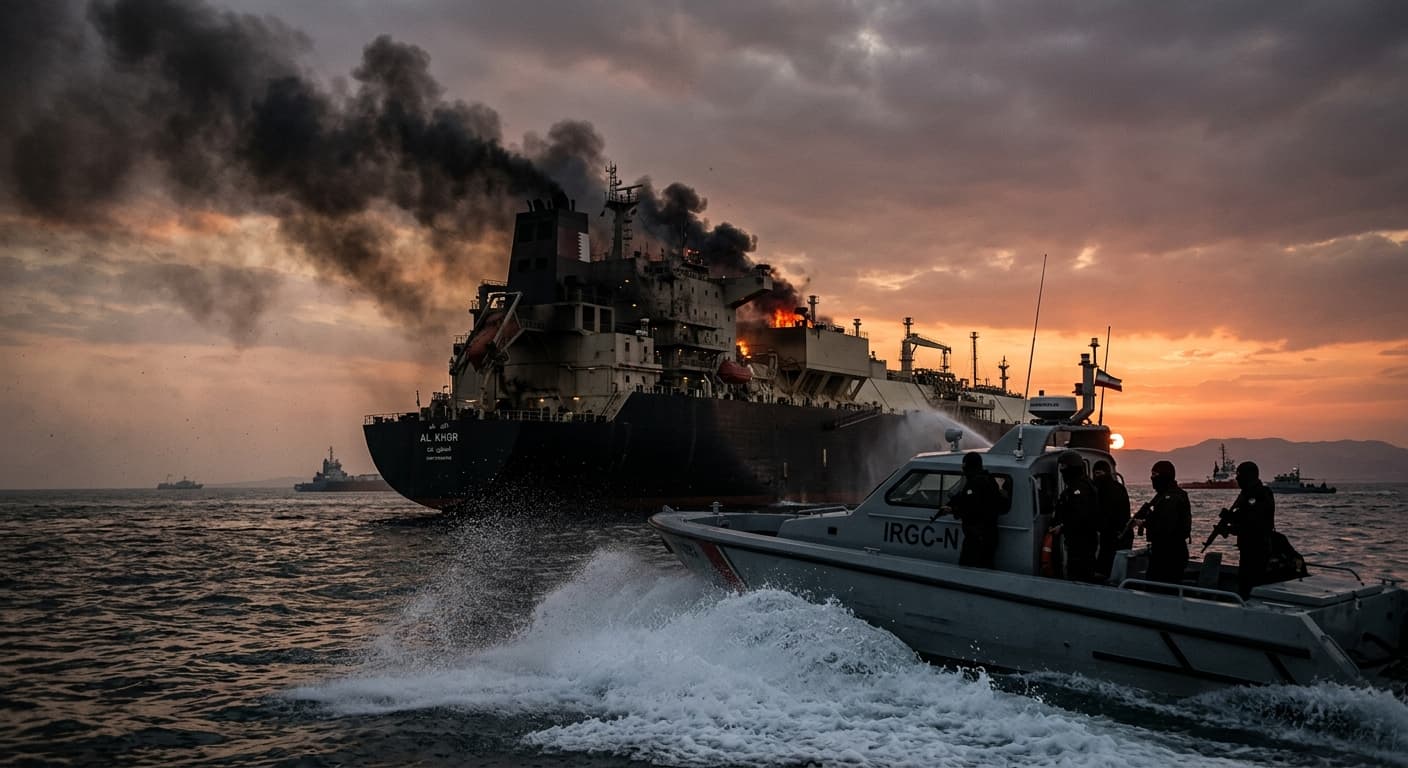
Qatari Tanker Strike Exposes Hormuz Tensions
A Qatari tanker was struck off Oman, revealing the fragility of the Hormuz ceasefire and Iran's influence over maritime security.
Global
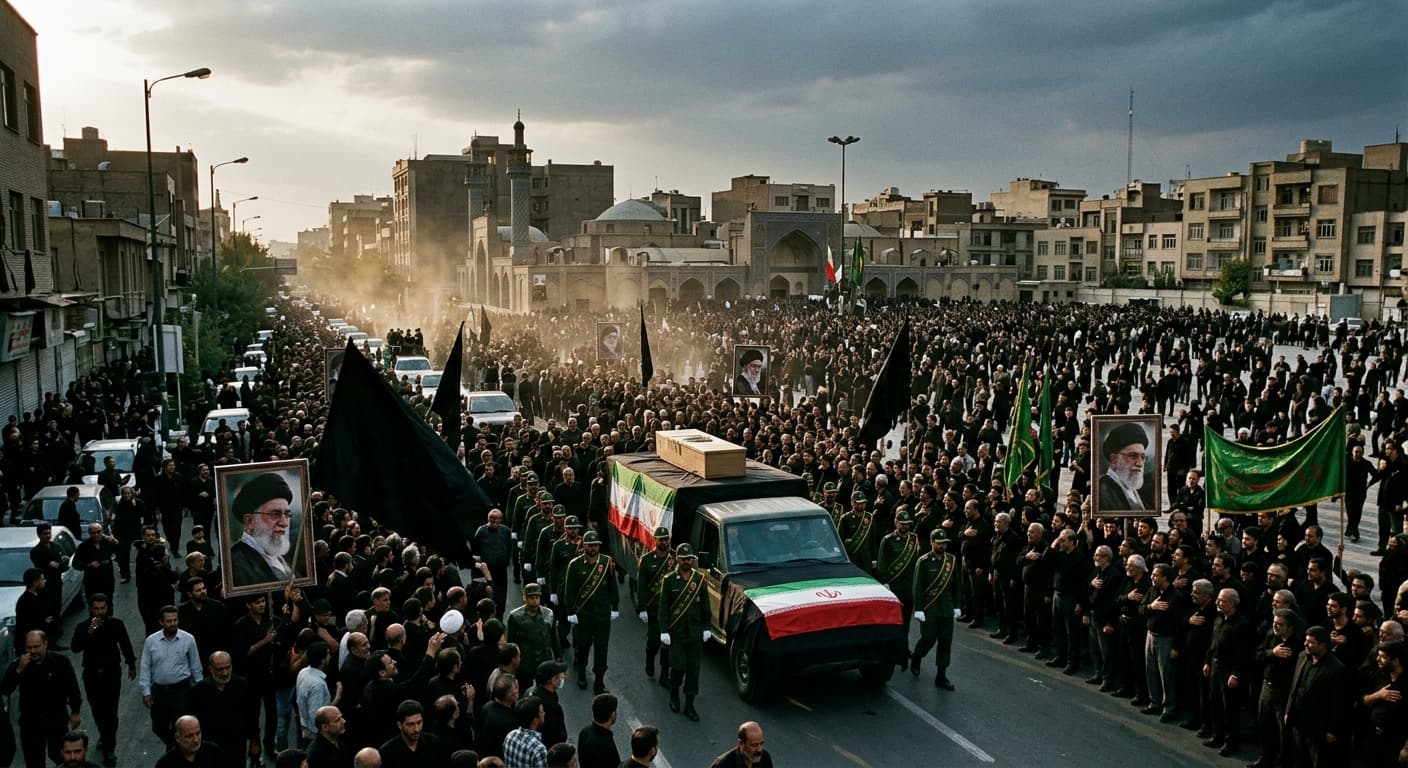
Khamenei's Funeral Signals Iran's Decline
The funeral of Ayatollah Khamenei highlights Iran's diminished influence in the Gulf, with regional powers now dictating terms.
Global
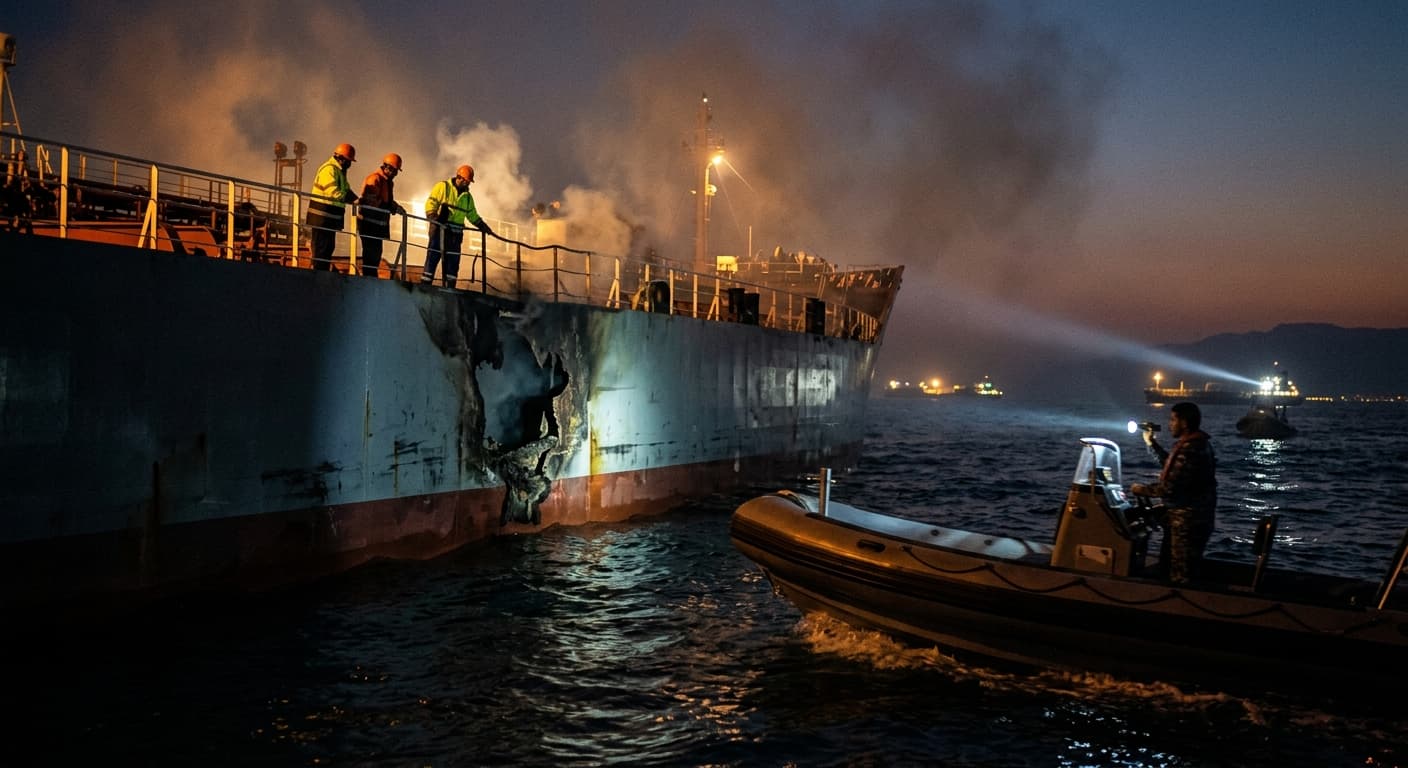
Iran's Hormuz Missile Strikes: A Toll Booth
Iran's missile attack on a Qatari-linked tanker highlights Tehran's strategy to control the Strait of Hormuz, impacting Gulf states and maritime law.
Tech Policy
Iran's Cavern Manticore Targets Israel's IT
Cavern Manticore, an Iran-linked hacking group, targets Israeli IT vendors, prompting a shift in Israel's cybersecurity policy and legislative efforts.