Trump Family Drops the White House Wedding Fantasy for Bahamas
Trump Jr. and Bettina Anderson opted for a private island ceremony after the White House idea collided with Iran politics and optics.
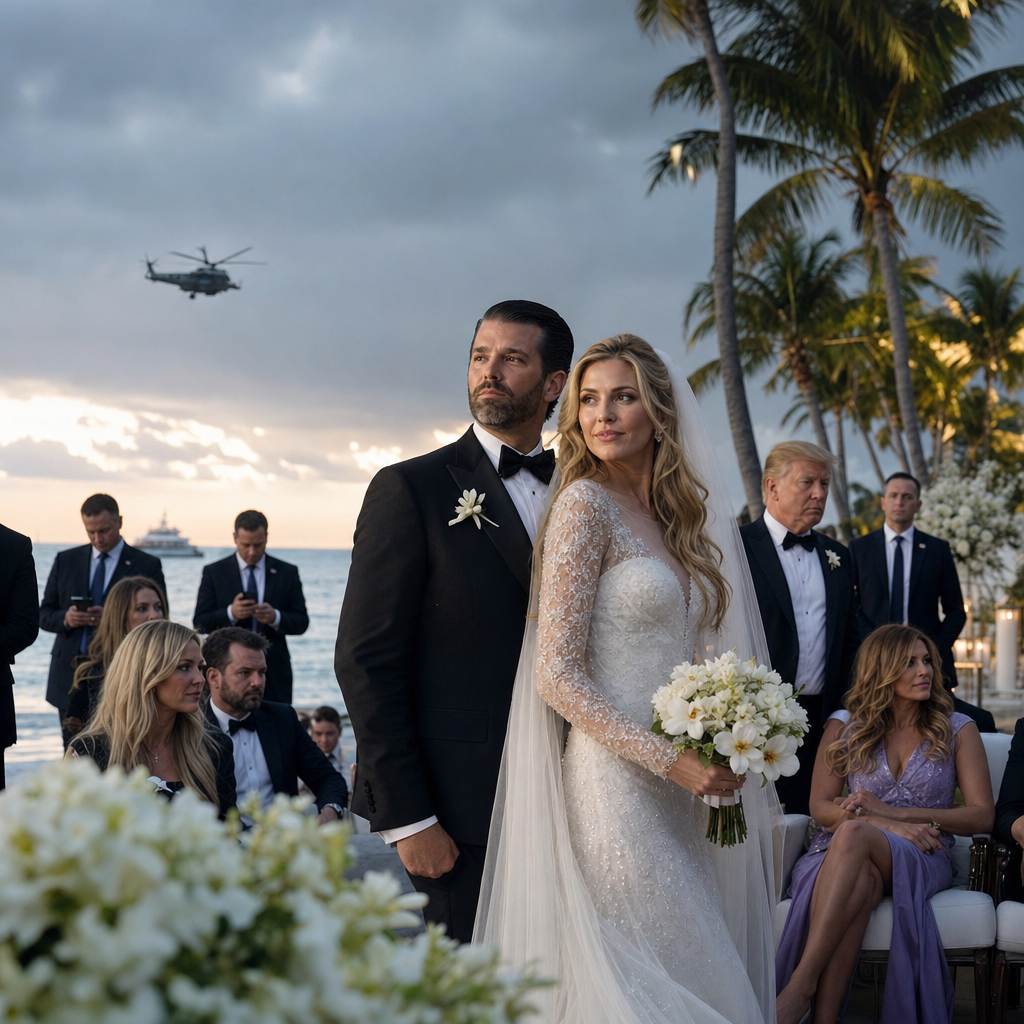
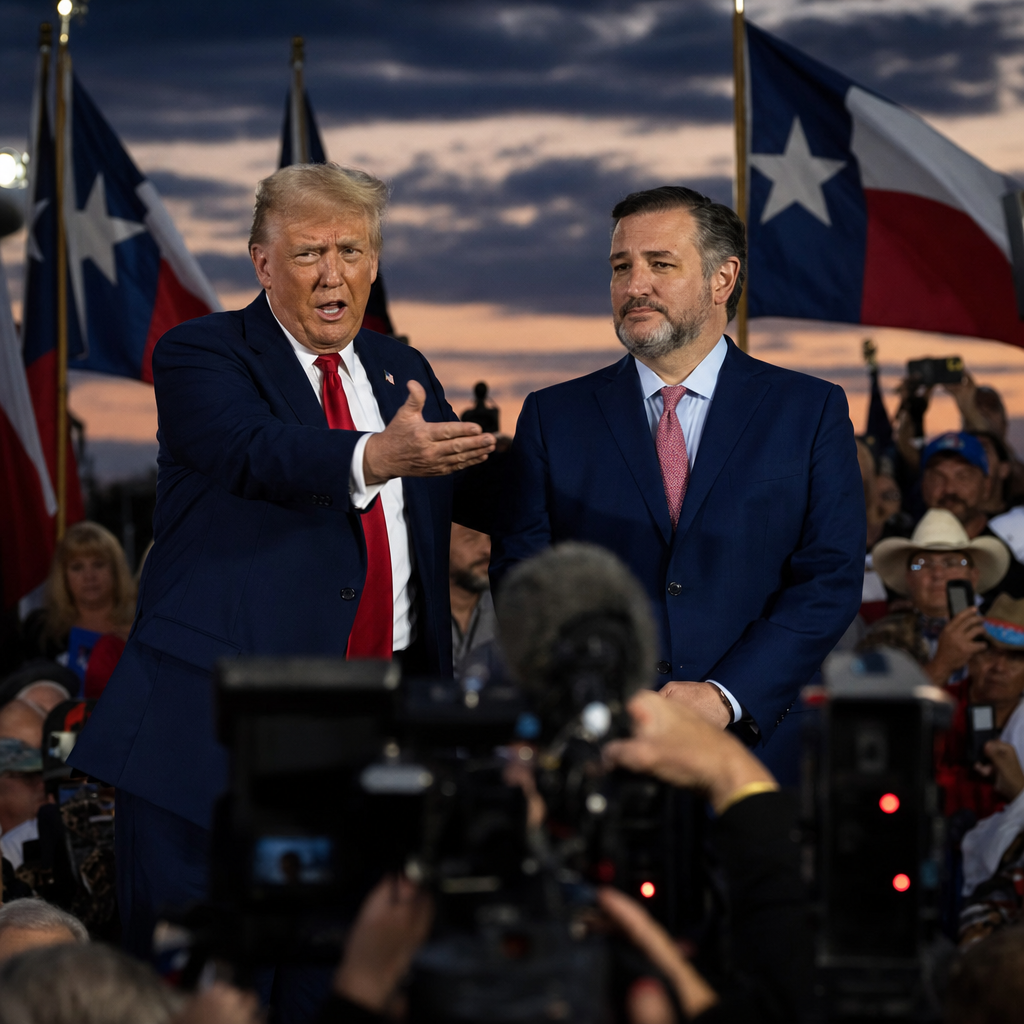
Donald Trump Jr. and Bettina Anderson will celebrate their marriage on a small island in the Bahamas, not at the White House, after the couple and President Donald Trump concluded that a White House wedding would be politically awkward while the administration is still consumed by the Iran war, according to  CNN. The president said Friday he would not attend, telling reporters the timing was “not good” because of “Iran and other things,” a line that makes the power calculation plain: the Trump White House is treating this as a liability-management exercise, not a family pageant.
Why the White House idea died
CNN reported that Anderson initially floated a White House ceremony, but Trump Jr. did not think it was appropriate and the president agreed it was a bad idea. The couple instead settled on a small Bahamas event with fewer than 50 guests, while Trump Jr. and Anderson had already filed a marriage certificate in Palm Beach County on Thursday, meaning the island celebration is now the public ceremony rather than the legal one, according to CNN and  NBC 6 South Florida.
That choice tells you where the leverage sits. The family can use the presidency’s symbolism, but only up to the point where it starts creating a bad headline. A White House wedding would have invited a simple attack line: the president using public power for private celebration while the Middle East crisis was still active. By moving the event off the White House grounds, Trump avoids turning a social occasion into a governance story. Anderson loses the prestige of the setting; the administration gains discretion.
The Iran war is the real backdrop
The strongest clue is not the guest list. It is the timing. CNN said Trump and his son both viewed the White House option as inappropriate given the ongoing war with Iran, while the president’s public comments Thursday and Friday stressed that he could not travel because of “government” responsibilities and the conflict. Separate reporting from  The Washington Post based on AP reporting describes a broader administration struggle: Trump has not been able to force Tehran into the deal he wants, and the fighting is now shaping domestic politics as much as foreign policy.
That is why this wedding decision matters. In a normal presidency, a family ceremony at the White House would be a vanity story. In this presidency, it would have collided with a live war, gas prices, and questions about whether Trump can credibly project discipline abroad. The family is protecting the president’s image by shrinking the event. That is an admission that optics still have political cost, even for a family that routinely blurs the line between official and personal power. For more on the domestic implications, see  United States and Global Politics.
What to watch next
The next question is whether the White House later stages a reception or post-wedding celebration, which CNN said remains possible. If that happens, the administration will again have to balance family branding against public scrutiny. Also watch whether the guest list becomes a proxy for hierarchy inside the Trump orbit: Eric and Ivanka are expected; Trump is not. In this family, presence is political. The ceremony in the Bahamas is small, but the signal is larger: the president is willing to borrow the White House only when the timing helps him, and to retreat when it doesn’t.