Tillis Clears Path for Warsh Fed Chair Vote
Sen. Tillis clears path for Warsh's Fed chair confirmation.
Model Diplomat3 min readUnited States
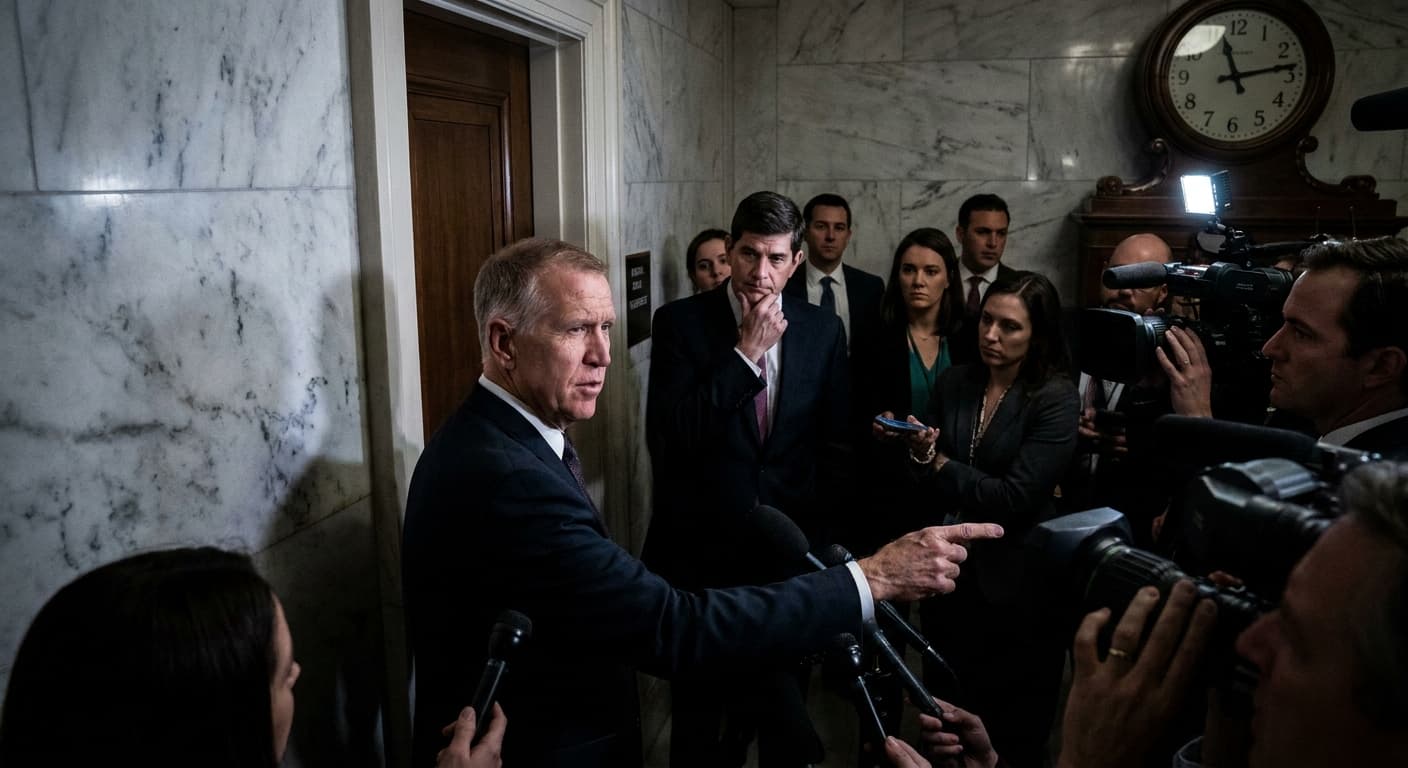
Tillis Drops His Warsh Blockade — The Fed Clock Is Now Ticking
With the DOJ's Powell probe closed and Tillis on board, Kevin Warsh's path to the Fed chair clears just weeks before the May 15 deadline.
Sen. Thom Tillis has ended his threat to block Kevin Warsh's confirmation as Federal Reserve chair, after U.S. Attorney Jeanine Pirro closed the Justice Department's criminal investigation into sitting chair Jerome Powell. The Senate Banking Committee has now scheduled a vote to advance Warsh's nomination — likely Wednesday this week — putting the confirmation on course ahead of Powell's May 15 term expiration.
The Leverage Play That Just Resolved
Tillis had held the committee hostage since early April. His condition was simple: no advancement of Warsh until the DOJ wrapped its probe into Powell over alleged cost overruns at the Fed's renovation project. That investigation — widely criticized by former Fed chairs as a pressure campaign against central bank independence — gave Tillis an institutional cover that also served as personal leverage inside a razor-thin Republican majority. With Pirro's closure announcement, Tillis extracted what he needed and folded.
The winner here is Treasury Secretary Scott Bessent, who publicly backed Warsh's timeline and needed this logjam broken. The loser is Powell, whose final weeks as chair are now thoroughly overshadowed — though he signaled he would remain temporarily as chair pro tempore if confirmation slipped past May 15.
That scenario may now be off the table. Committee Banking Chair Tim Scott has been engineering this timeline since Warsh submitted financial disclosures showing personal assets well over $100 million (plus his wife Jane Lauder's Forbes-estimated $1.9 billion fortune) — clearing the ethics review that had added another procedural layer.
Why This Confirmation Is Abnormally High-Stakes
Under normal succession — think Yellen to Powell — the incoming chair signals continuity, markets barely blink, and the Senate moves efficiently. This is not that. Trump has publicly threatened to fire Powell if he stays on past his term. The legal basis for doing so is murky; the Federal Reserve Act permits removal "for cause," and a challenge would almost certainly reach the Supreme Court, triggering a constitutional crisis over central bank independence.
Warsh's confirmation, then, is as much about defusing that legal confrontation as it is about monetary policy. A confirmed Warsh eliminates the pretext for a firing and gives US Politics its cleanest off-ramp from a constitutional standoff that markets have been pricing nervously.
The policy risk, however, doesn't disappear. Trump has been explicit about wanting lower interest rates. Warsh — a former Fed Governor who notably dissented against QE in 2010 — is not a natural dove. Whether he will maintain genuine policy independence or accommodate White House rate pressure is the open question that will define his tenure and the Fed's institutional credibility for years.
What to Watch Next
- Wednesday's committee vote is the immediate gate. Any surprise defection from the Republican majority resurrects the May 15 chaos scenario.
- Warsh's floor confirmation vote — and any statements on rate policy before it — will be parsed aggressively by bond markets.
- May 15: If the Senate calendar slips, watch whether Trump moves to fire Powell anyway, forcing the courts to rule on Fed independence for the first time in modern history.
The clock is set. The Federal Reserve's next chapter hinges on the next ten days.
Discover more

US Politics
House Ethics Committee Pushes Sexual Miscond.
The House Ethics Committee has shifted responsibility for sexual harassment settlement records to the Office of Congressional Workplace Rights, complicating disclosure efforts.

Conflict & Security
Drone Warfare Killing Aid Workers at Unprec
Over 1,000 humanitarian workers killed in three years as cheap armed drones collapse legal protections. Gaza, Sudan, Ukraine, and DRC see deliberate targeting of aid convoys and hospitals with zero prosecutions.

Global
World Normalises Taliban as Afghan Women Eras
UN data shows Afghan women erased from public life as Russia recognises the Taliban, EU hosts officials in Brussels, and ICC warrants for gender persecution go unenforced.
Conflict & Security
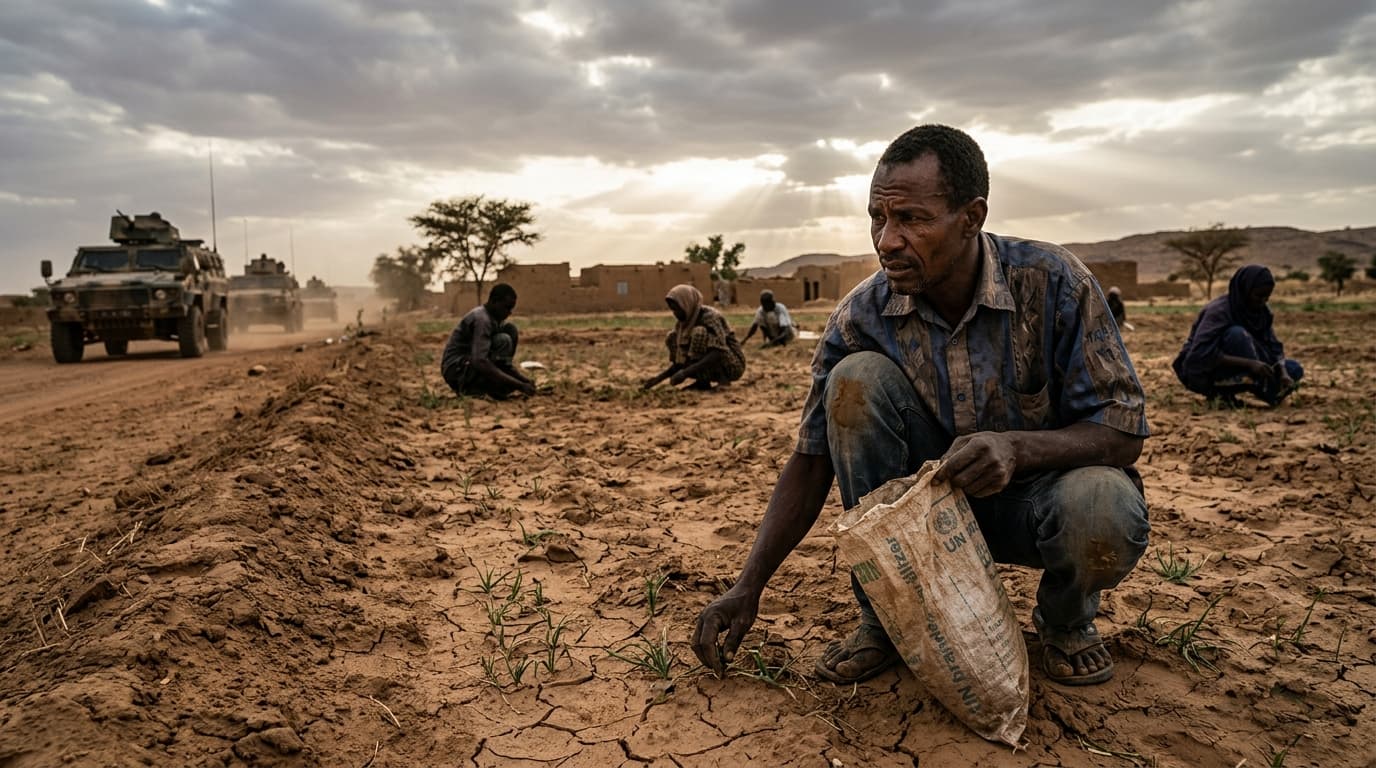
West Africa Food Crisis: Three Shocks in 2026
Conflict, climate extremes, and the Strait of Hormuz closure drive a severe food crisis in West and Central Africa, with fertilizer prices surging 80% and millions displaced.