Thune’s FISA Push Collides With the Pulte Spy Uproar
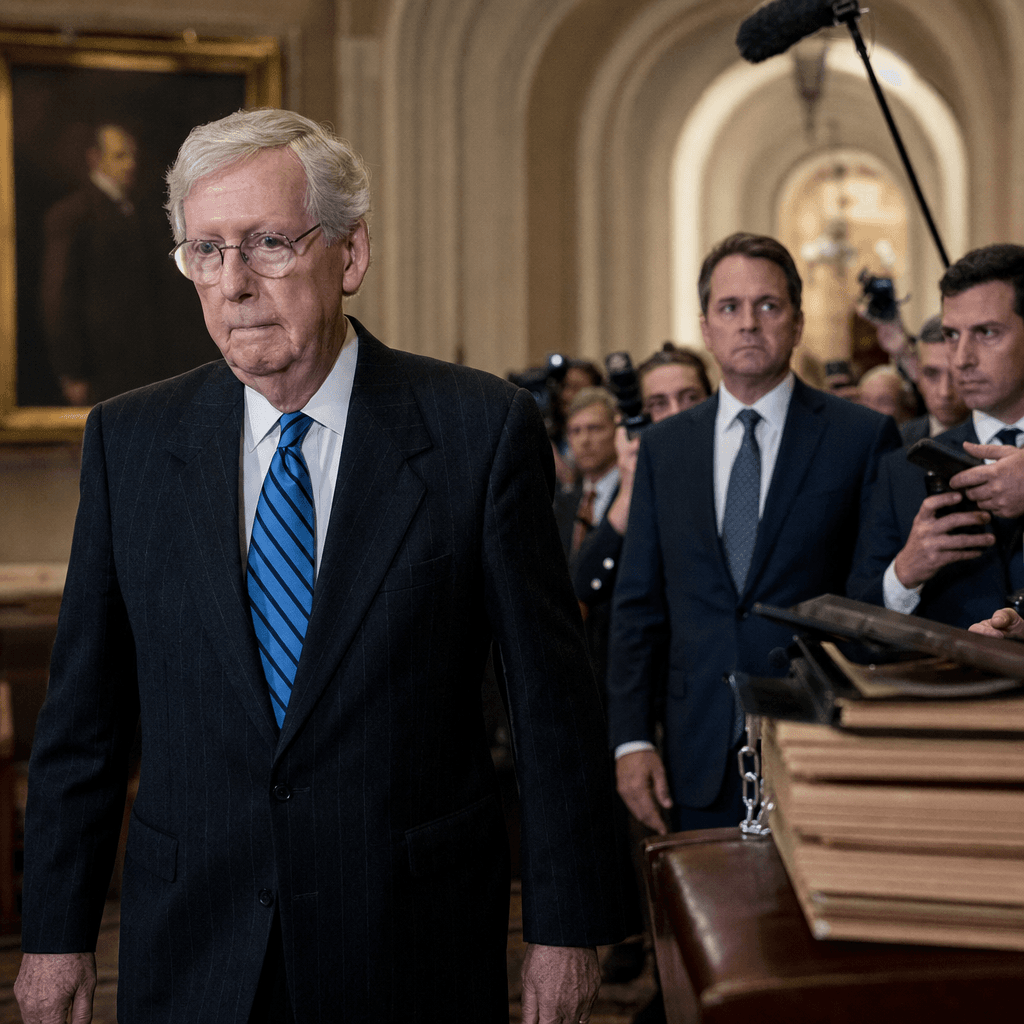
Senate Majority Leader John Thune struggles to secure crucial surveillance authorities as Trump’s polarizing pick for top spy scrambles the bipartisan math.
Senate Majority Leader John Thune is scrambling to push through a critical surveillance extension as a high-stakes nomination fight threatens to derail federal spying powers. The sudden legislative emergency comes directly on the heels of President Donald Trump’s decision to name federal housing official Bill Pulte as acting Director of National Intelligence (DNI), as reported by  BBC News. By placing a highly controversial loyalist with zero security background at the top of the nation's intelligence apparatus, the White House has inadvertently handed massive political leverage to a bipartisan coalition of privacy hawks who are now weaponizing the appointment to demand sweeping curbs on warrantless surveillance.
The primary casualty of this executive maneuver is the reauthorization of Section 702 of the Foreign Intelligence Surveillance Act (FISA). For months, Congress has stumbled through a sequence of stopgap measures, including a 10-day patch followed by a 45-day band-aid  NPR, because lawmakers could not resolve the contentious reform debate. Privacy advocates in both parties have long insisted on a strict warrant requirement before intelligence analysts can query intercepted data for information regarding American citizens. Thune and other establishment Republicans are desperate to pass a clean or lightly modified extension, but the prospect of handing these pervasive "backdoor search" tools to an incoming DNI accused of using his previous post to target political opponents has collapsed any remaining trust on Capitol Hill.
A Toxic Mix of Housing and Espionage
Under normal circumstances, Senate leaders can navigate FISA extensions through backroom deals and incremental compromises. However, Pulte’s sudden elevation has fundamentally altered the political calculus in the  United States. Critics point out that Pulte, who currently runs the Federal Housing Finance Agency, has spent his tenure making aggressive criminal referrals against political figures, including lawmakers and economic regulators BBC News. This track record has triggered fierce pushback from Democrats like Senator Mark Warner, who accused Trump of selecting an official eager to use government authorities to pursue political retribution NPR.
The outrage is not confined to one side of the aisle. Key Republican senators have openly expressed skepticism, with Senator John Cornyn stating he sees no evidence of Pulte's qualifications, while Senator Bill Cassidy bluntly noted that Pulte "doesn't seem qualified"  Al Jazeera. By forcing a non-traditional financier into the DNI slot, the administration has unified a fragile coalition of civil liberties advocates and institutionalist Republicans. These politicians are now highly reluctant to hand powerful spy tools to an untrusted partisan actor, placing Thune in an incredibly difficult legislative bind.
The Leverage Game: What to Watch Next
Because Pulte is taking office as an acting director, he can bypass immediate Senate confirmation for up to 210 days Al Jazeera. However, this short-term appointment does not insulate the administration from congressional leverage. Lawmakers hold the ultimate purse strings and authorization powers over the intelligence programs Pulte is set to command starting July 1, following the departure of outgoing DNI Tulsi Gabbard BBC News.
The immediate flashpoint to watch is whether the Senate privacy bloc will block the impending FISA vote or successfully condition its passage on a hard warrant requirement. The pivotal date is June 30, when Gabbard officially steps down and Pulte takes command. If Thune cannot push through a FISA extension before this transition, the resulting legislative logjam could force a temporary lapse in key foreign intelligence collection, putting the White House’s executive strategy into direct conflict with its own national security priorities.