Peru’s Tied Presidential Vote Rattles Markets and Mining Shares
A razor-thin margin between Keiko Fujimori and leftist Roberto Sánchez threatens further political paralysis and market volatility across Peru.
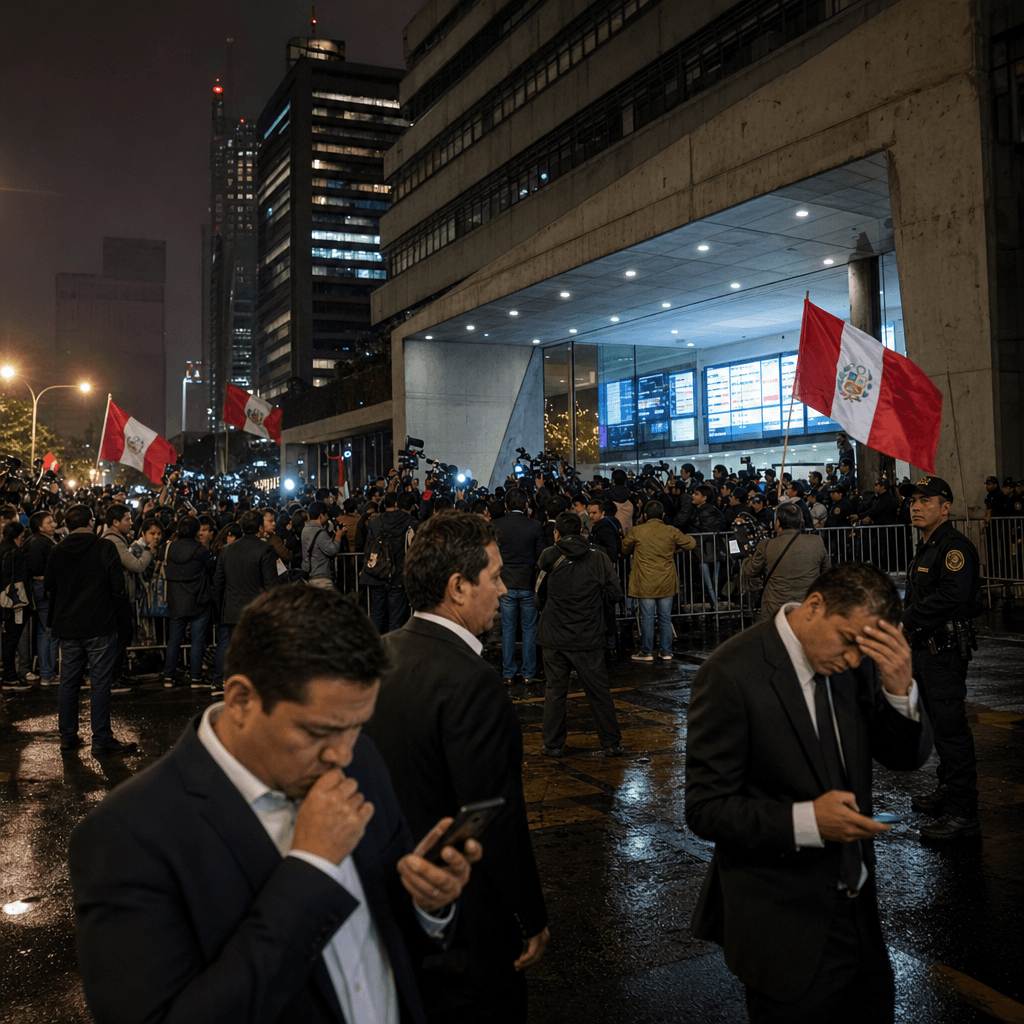
Peru is staring down yet another protracted political crisis as official vote tallies leave Sunday's presidential runoff in a virtual dead heat. According to reports by  Al Jazeera, with over 92 percent of votes counted on Monday, conservative Keiko Fujimori held a micro-margin of 50.2 percent against leftist challenger Roberto Sánchez’s 49.8 percent. The razor-thin divide mirrors the nation's highly polarized 2021 election and all but guarantees weeks of recount battles and institutional gridlock before a winner is certified.
The Rural Deluge and Market Anxiety
The power dynamic in this count hinges entirely on geography. While Fujimori dominated the urban coast and the capital city of Lima, the final phase of the official tally favors Sánchez as remote, rural, and mountainous ballots trickle in from Andean strongholds  BBC. Indeed, an early quick count by pollster Ipsos already placed Sánchez marginally ahead at 50.3 percent, indicating that Fujimori's fragile lead may vanish in the final tally.
Financial markets have reacted with immediate anxiety to the tightening race. As reported by  The Star, U.S.-listed shares of major Peruvian corporations fell, while the local currency, the Sol, weakened by 1.3 percent on Monday. Sánchez has unnerved investors by pledging to reform major mining concessions and rewrite Peru’s pro-business 1993 constitution. For a nation that is the world’s third-largest copper producer, any threat to the established regulatory regime raises the risk premium for international capital, potentially prompting domestic capital flight.
Governance Under Siege
Regardless of who emerges victorious, Peru’s fragile democracy faces continued instability, reflecting a highly fragmented climate in  Global Politics across Latin America. The next administration will represent the country's ninth presidency in a single decade—a revolving door driven by rampant corruption scandals, skyrocketing extortion rates, and systemic congressional warfare.
The two candidates offer irreconcilable pathways for the state. Fujimori has campaigned on iron-fisted, authoritarian-style security policies that lean heavily into the legacy of her late father, Alberto Fujimori. Sánchez, meanwhile, has promised to pardon the jailed former President Pedro Castillo, who was impeached and imprisoned after a failed 2022 self-coup.
Crucially, neither candidate will enjoy a working majority in Peru's unicameral Congress. If Sánchez wins, his immediate priority will be securing presidential immunity from pending prosecution over campaign finance irregularities Al Jazeera. However, he will face a hostile, right-leaning legislature that has frequently used the constitution's vague "moral incapacity" clause to impeach left-of-center presidents.
What to Watch Next
The immediate focus is the National Jury of Elections (JNE), which must adjudicate contested ballots and legal challenges over the coming weeks. Official results are unlikely to be finalized until mid-July  El País.
Beyond the tally boards, watch how the country handles the potential for civil unrest. The transition of power is scheduled for July 28, 2026, but if the final margin resembles the 44,000-vote differential of 2021, streets in Lima and the southern highlands are poised to become the primary battlegrounds for legitimacy in this fractured nation.