Telangana’s fee-reimbursement fight shifts to the courts
BC groups, students and colleges are squeezing Revanth Reddy’s government over G.O. 7, which could transfer fee-risk onto families and away from the state.
The leverage is political, not just fiscal
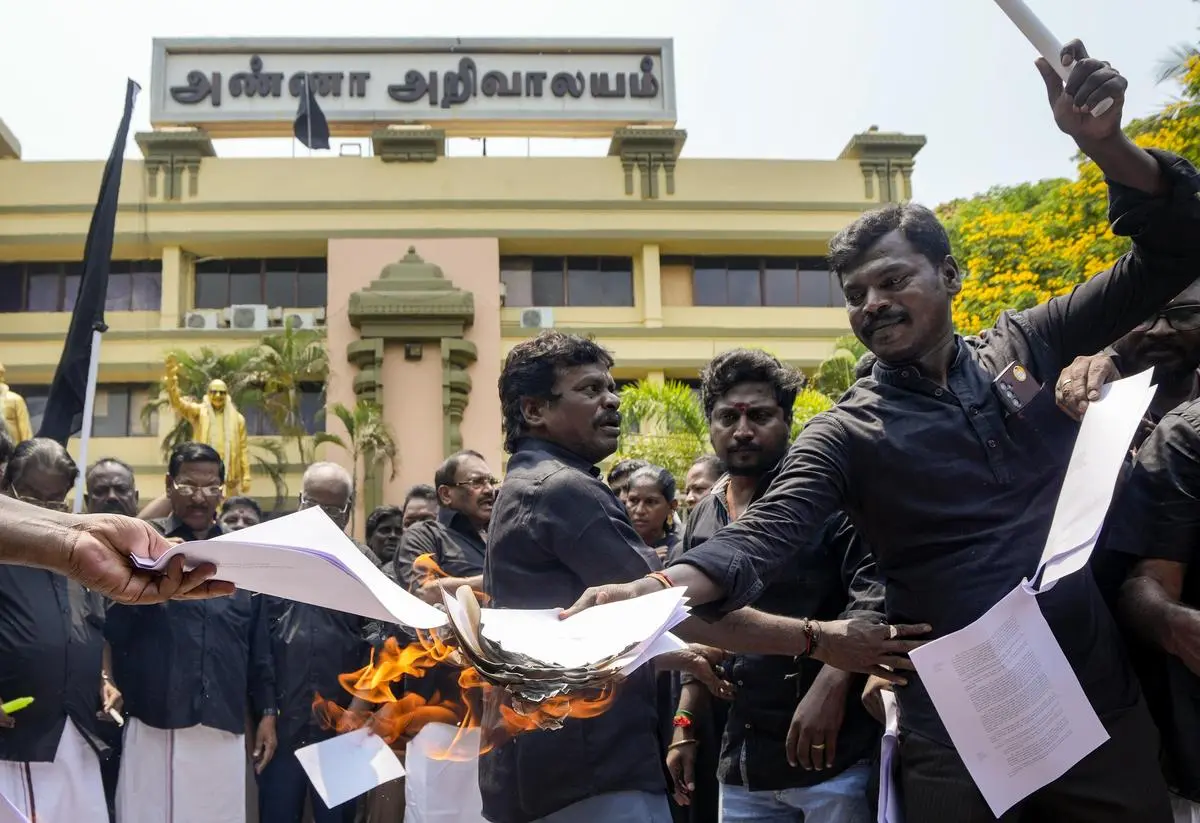
Leaders from multiple parties and Backward Classes organisations are now demanding that Telangana withdraw G.O. No. 7 on fee reimbursement, warning that the order will weaken a scheme they say has enabled access to higher education for 18 years ( The Hindu). The pressure is broad: the meeting in Hyderabad drew representatives from BRS, BJP, BSP, AAP and BC groups, including Rajya Sabha MP R. Krishnaiah and former Speaker S. Madhusudhana Chary (The Hindu).
That matters because the government is not just facing a policy dispute. It is confronting an organized coalition that links students, BC associations and private colleges — three groups that can each create visible pain. Student groups fear disruption to admissions and certificate access; college managements are already under strain from unpaid dues; BC organisations can frame the issue as an attack on social mobility ( The New Indian Express, The Hindu).
Why G.O. 7 is politically dangerous
The reported core of the order is a shift to direct benefit transfer — fee reimbursement credited to students’ accounts rather than colleges — which civil society groups say has already been stayed by the High Court on one clause ( Telangana Today). That design sounds cleaner on paper, but in practice it pushes repayment risk onto students, many of whom cannot front the tuition while waiting for the government transfer. Colleges, meanwhile, still want payment directly because they are already sitting on large arrears.
The numbers explain the stakes. The Hindu reports that participants at Saturday’s round-table said dues have piled up to nearly ₹8,000 crore; earlier wire and education reports put the figure closer to ₹9,000–₹10,000 crore (The Hindu, The New Indian Express,  EdexLive/ANI). Whether the lower or higher estimate is closer, the fiscal fact is the same: the scheme has become a large, recurring liability that the state cannot quietly absorb.
For the Congress government, G.O. 7 may be an attempt to reduce leakages and tighten control over a system that critics say has become unsustainable. But the political cost is immediate. Any perception that the administration is making poor and BC students pay first and wait later will hand the opposition an easy narrative: welfare dilution disguised as reform.
What to watch next
The next decision point is whether the Telangana government defends G.O. 7, amends it, or backs away under pressure. If it does not move quickly, colleges will keep tightening access to hall tickets, certificates and admissions, and the issue will spill into the new academic cycle (The New Indian Express). Watch also for the state’s response to the High Court stay flagged by civil society groups, because that will determine whether this becomes a policy correction or a full-blown political rollback (Telangana Today).
If the government concedes, BC groups will claim credit. If it stands firm, it risks turning a budget-management issue into a larger fight over access to education and the  India government’s credibility on social welfare.