Tehran Mall Fire Highlights Iran Safety Fail
Eight deaths raise concerns over Iran's public safety measures.
Model Diplomat2 min readMiddle East
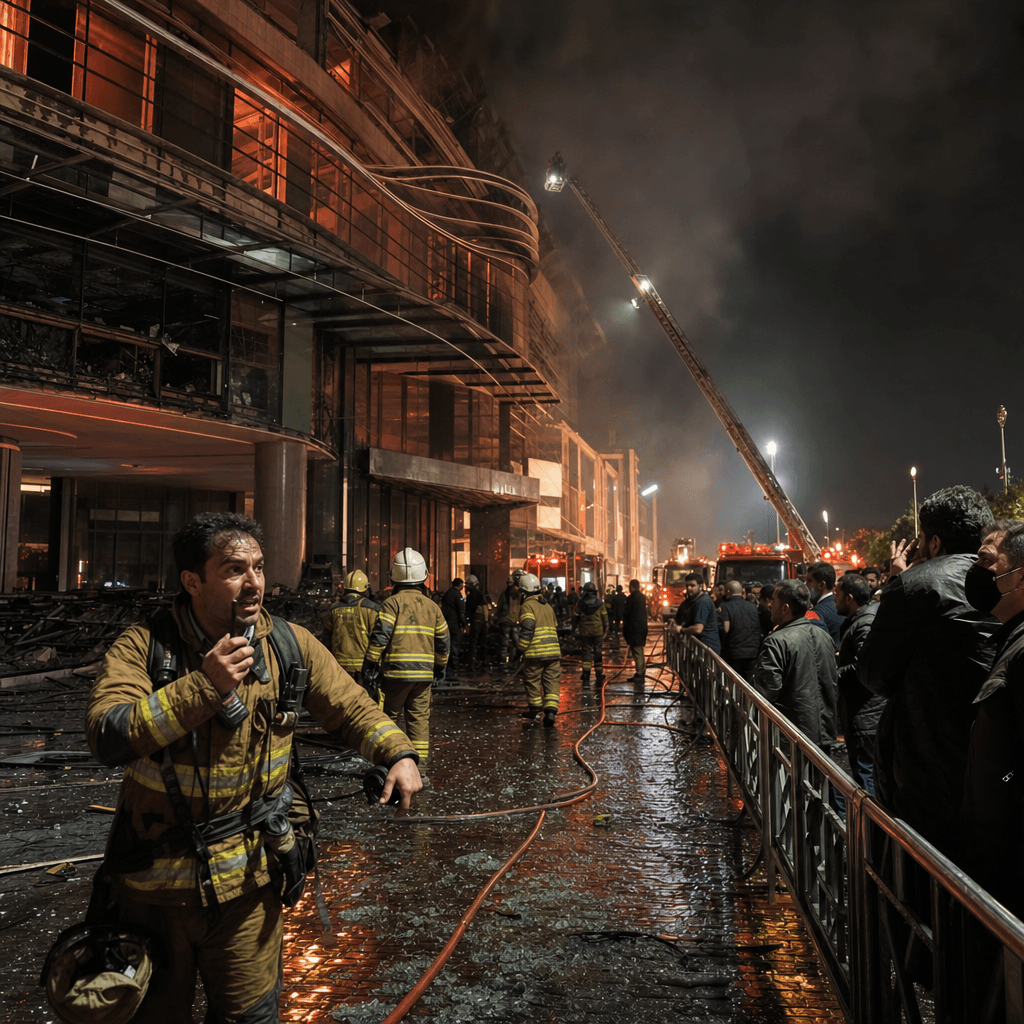
Tehran Shopping Center Fire Exposes Iran’s Safety Gap
Eight deaths at a Tehran-area mall fire deepen pressure on Iranian authorities already coping with wartime damage, poor oversight, and public distrust.
A fire at a shopping center west of Tehran killed eight people, according to Iranian media and Reuters; the cause was still unknown. The power dynamic is straightforward: Iran’s authorities now have to prove competence on basic public safety at the same moment they are trying to project control under military and diplomatic strain. That makes a local fire a political test, not just a rescue story. The broader geopolitical backdrop is in
Global Politics.
Why this lands politically
The immediate losers are the city and provincial officials who will be pressed to explain whether this was an accident, a maintenance failure, or a regulatory lapse. In Iran, those distinctions matter because disasters have repeatedly turned into accountability crises. After a Tehran high-rise fire collapsed in 2017 and killed at least 20 firefighters, Reuters reported that officials had already warned building managers about unsafe conditions. After the Abadan building collapse in 2022 killed at least 11 people,
Reuters said authorities detained the mayor and other officials.
That history matters because it shapes how this fire will be read at home: not as an isolated tragedy, but as another reminder that inspection, enforcement, and emergency response remain weak where they should be routine. If the death toll rises or investigators find code violations, the political cost will fall on the municipalities and ministries responsible for oversight.
The larger context
This also lands in a country already under visible strain. Reuters reported this week that a fragile U.S.-Iran ceasefire remains under pressure after an exchange of fire, while
AP News described destroyed government buildings and police stations in Tehran during the wider conflict. In that environment, even a civilian fire becomes part of a larger story about whether the state can protect people at home while managing external confrontation.
For critics of the government, that is the key opening. The regime can still frame the incident as an unfortunate accident, but it cannot avoid the comparison: it is quick to claim security success and much slower to demonstrate safety competence. That contrast is politically costly.
What to watch next
Watch for three things: the official cause, the casualty count, and whether investigators name owners, contractors, or regulators. The first forensic update will tell you whether Tehran treats this as a routine fire or another case of negligence that needs named culprits. If officials move quickly to arrests, the precedent is Abadan. If they stall, the story becomes broader: not just a blaze, but another measure of state failure.
Discover more

Global Politics
US Seizes Iranian Ship, Tensions Surge
The US seizes the Iranian ship Touska near the Strait of Hormuz, escalating tensions and risking wider conflict in the region.
Global Politics
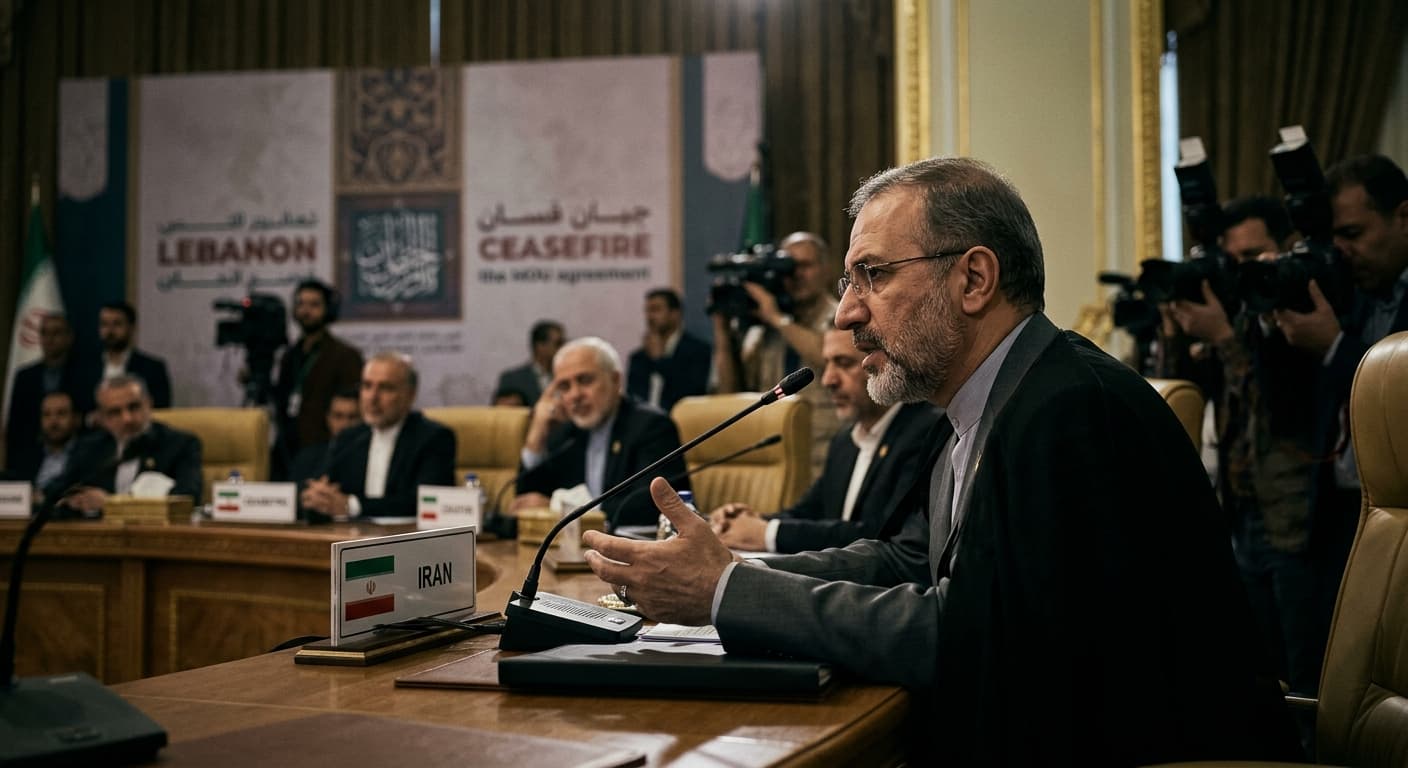
Iran Demands US Enforce Ceasefire
Iran insists the US must enforce a ceasefire in Lebanon to uphold the MoU.
India
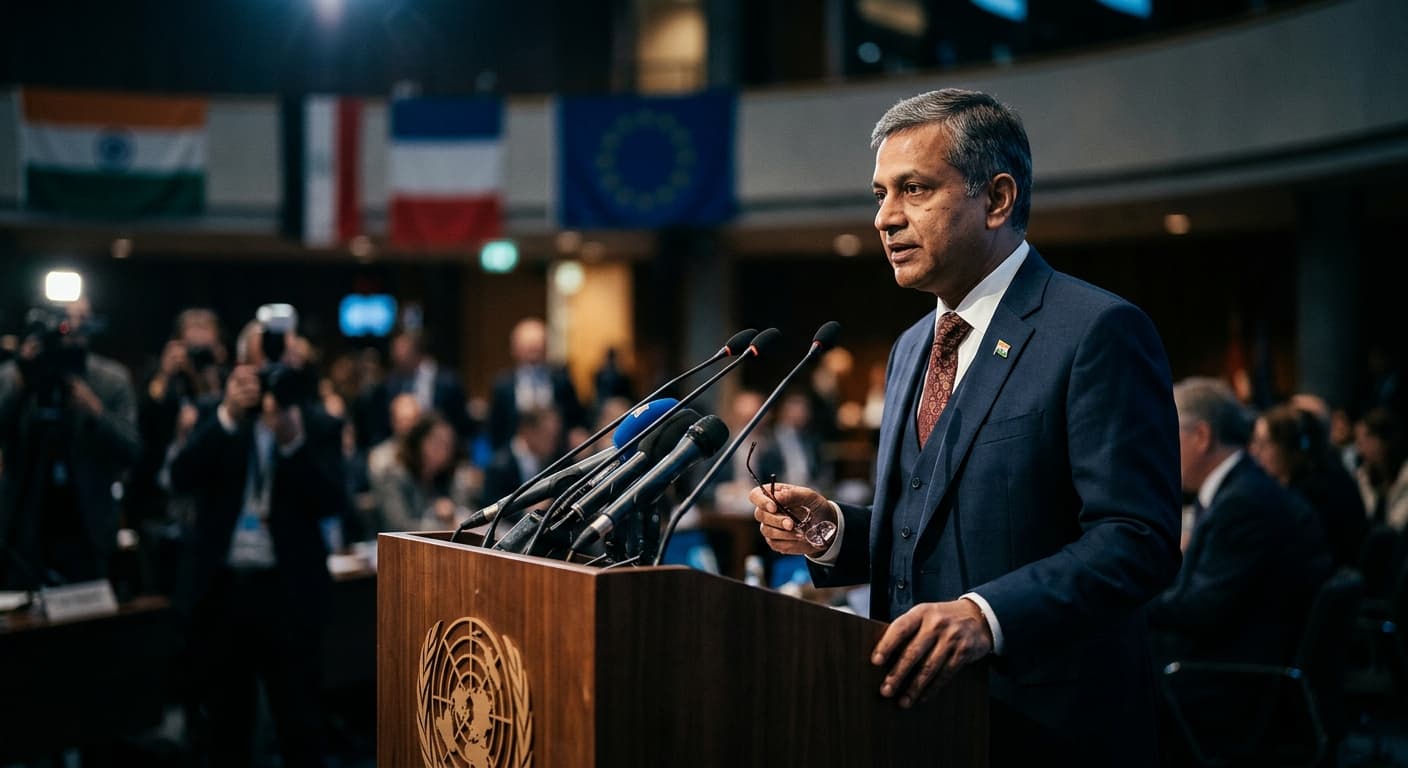
India Takes Vice-Presidency at FATF
India's Vivek Aggarwal becomes FATF vice president, paving the way for future leadership.
Global Politics
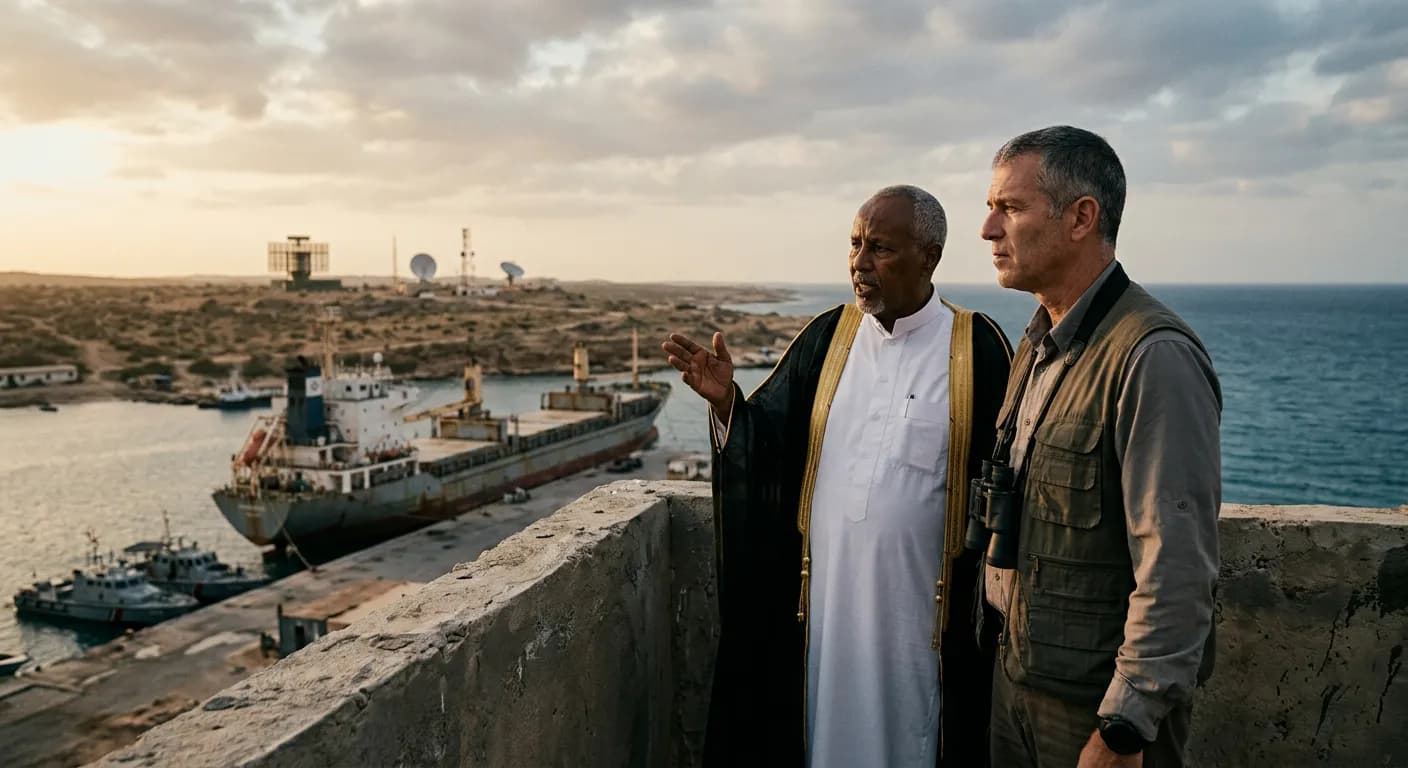
Israel's Red Sea Gambit: Why Somaliland
Israel's partnership with Somaliland aims to counter Houthi threats and enhance Red Sea influence.