Supreme Court Examines Parliament's Power on
Court examines Parliament's power over Election Commission appointments
Model Diplomat3 min readAsia
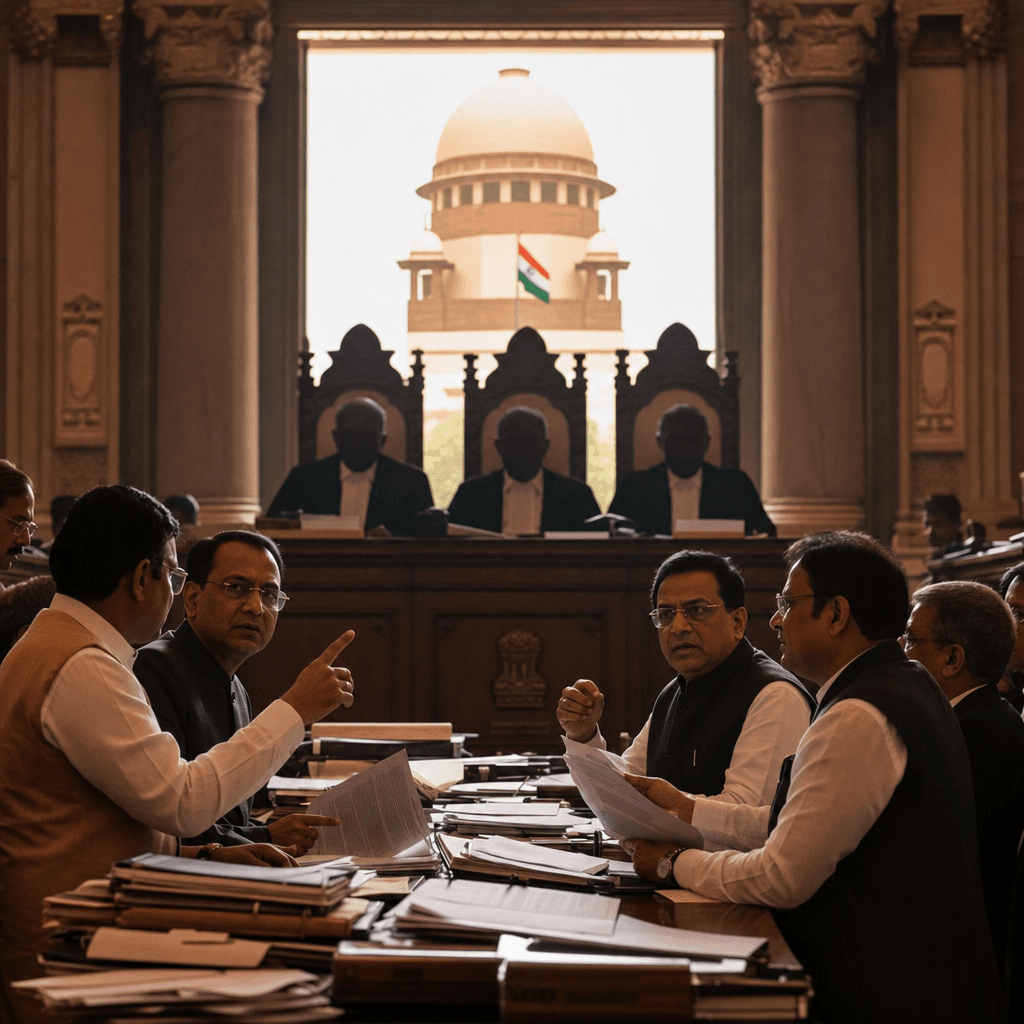
Supreme Court Tests Parliament’s Power Over Poll Chief
The court is weighing whether Parliament can override its 2023 ruling on Election Commission appointments—and who picks the referee.
The Supreme Court has put the real issue on the table: who controls the appointment of India’s election referees. In the hearing reported by NDTV, a bench asked whether it could direct Parliament to enact a law requiring the Chief Justice of India to sit on the committee that chooses the Chief Election Commissioner and Election Commissioners. That question goes to the center of the constitutional fight: the 2023 law moved the CJI out of the process and replaced that judicial role with a Union Cabinet minister nominated by the prime minister.
The leverage is with Parliament — for now
The government’s advantage is simple: the current statute gives the prime minister’s side the deciding weight in the selection panel, as reported by NDTV and
The Hindu. Petitioners, including the Association for Democratic Reforms and Congress leader Jaya Thakur, argue that this effectively lets the executive choose the umpire in elections. That is why this case matters beyond legal doctrine: for
India, control over Election Commission appointments is control over the institutional credibility of the next election cycle.
The court’s own 2023 ruling in Anoop Baranwal had said appointments should be made by a committee of the prime minister, the Leader of the Opposition, and the CJI until Parliament made a law, according to The Hindu. The 2023 Act did make a law — but one that removed the CJI and restored executive primacy. That is the legal tension the bench is now grappling with.
Why this is bigger than one appointment
This is also a test of how far Parliament can go in rewiring a court-crafted safeguard. The bench’s line — that courts cannot direct Parliament to legislate — signals caution about judicial overreach, but it does not resolve whether Parliament can legislate away the substance of a Constitution Bench ruling, as framed in The Hindu. If the court defers, it effectively accepts that the 2023 law supersedes its own interim architecture. If it intervenes, it reasserts that electoral independence is a constitutional principle, not a policy preference.
The beneficiaries of the current setup are obvious: the Union government and any ruling party that wants influence over the Election Commission’s top tier. The losers are opposition parties and petitioners who want a selection process insulated from the executive. The court has already shown some reluctance to freeze appointments midstream, refusing a stay in 2024, as reported by Scroll and
The Hindu. That history suggests the bench is sensitive to institutional disruption, even as it questions the law’s constitutional logic.
What to watch next
Watch for two things: whether the court reads the 2023 Act as a valid legislative correction or as an attempt to dilute Anoop Baranwal without confronting it directly; and whether it signals any compromise formula on the selection committee. The next move will determine whether the Election Commission remains formally independent but politically exposed, or regains a judicially backed buffer against executive control.
Discover more
India
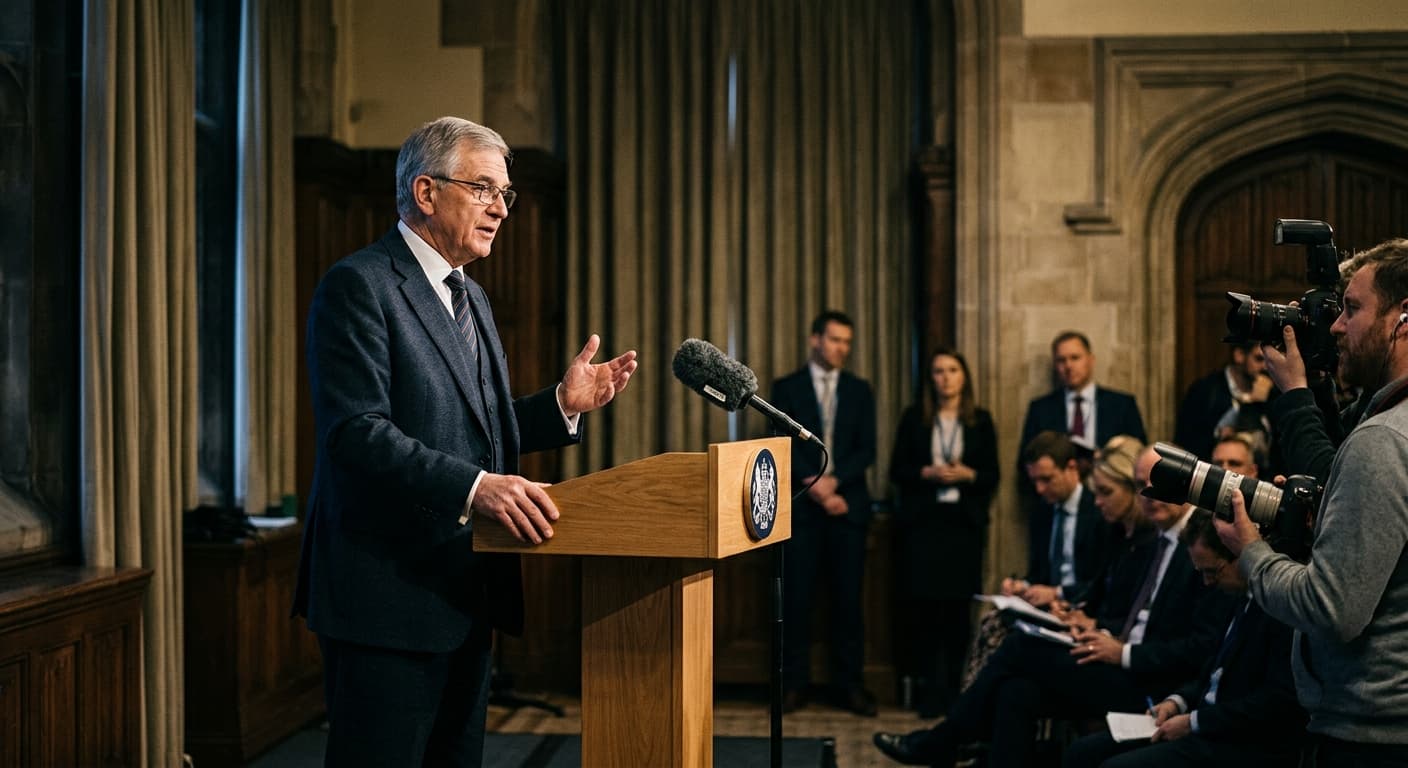
UK Trade Deal Dismisses Investment Concerns
UK trade expert Anton Muscatelli argues investment chapter is unnecessary for FDI growth.
India
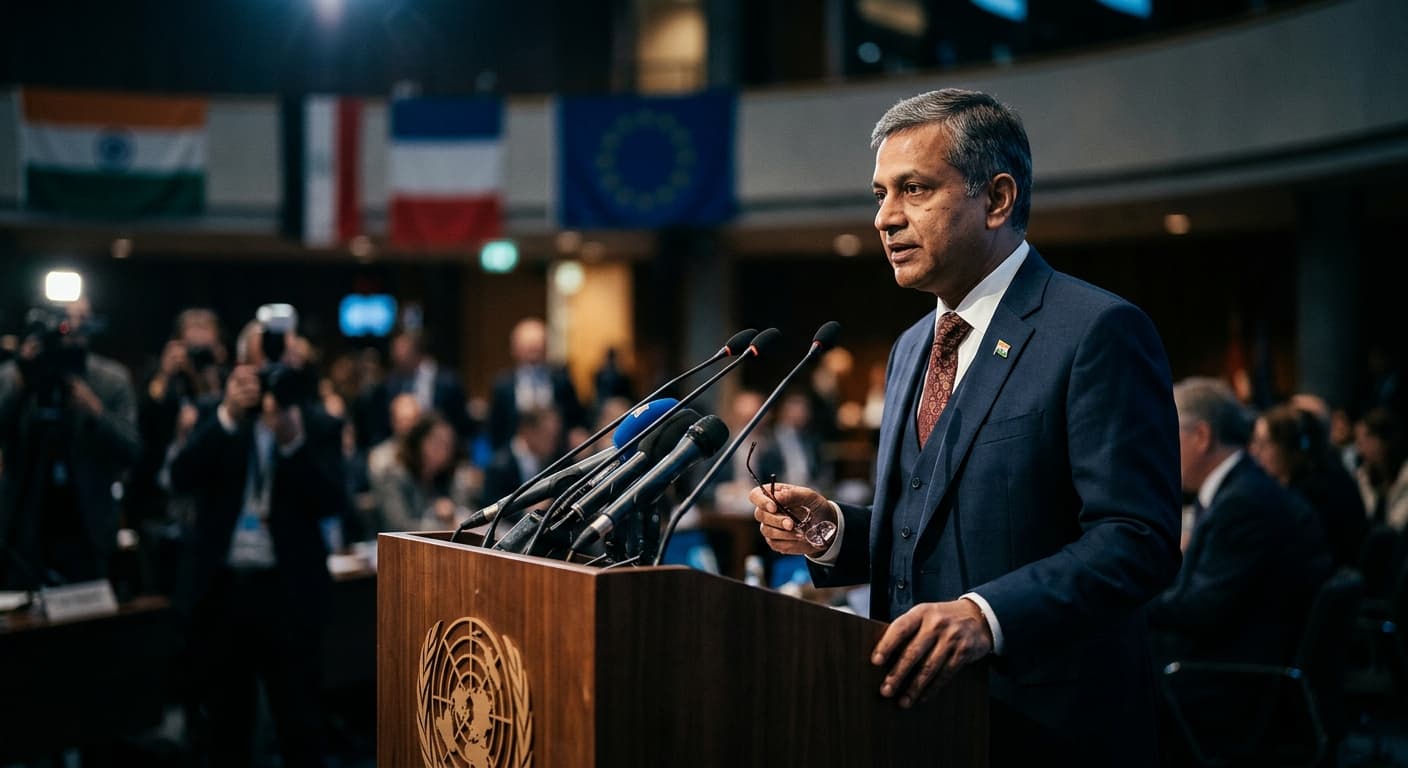
India Takes Vice-Presidency at FATF
India's Vivek Aggarwal becomes FATF vice president, paving the way for future leadership.

India
India Expands Education with 15 New Campuses
India's plan to host 15 foreign university campuses aims to retain students and reduce costs.
Global Politics
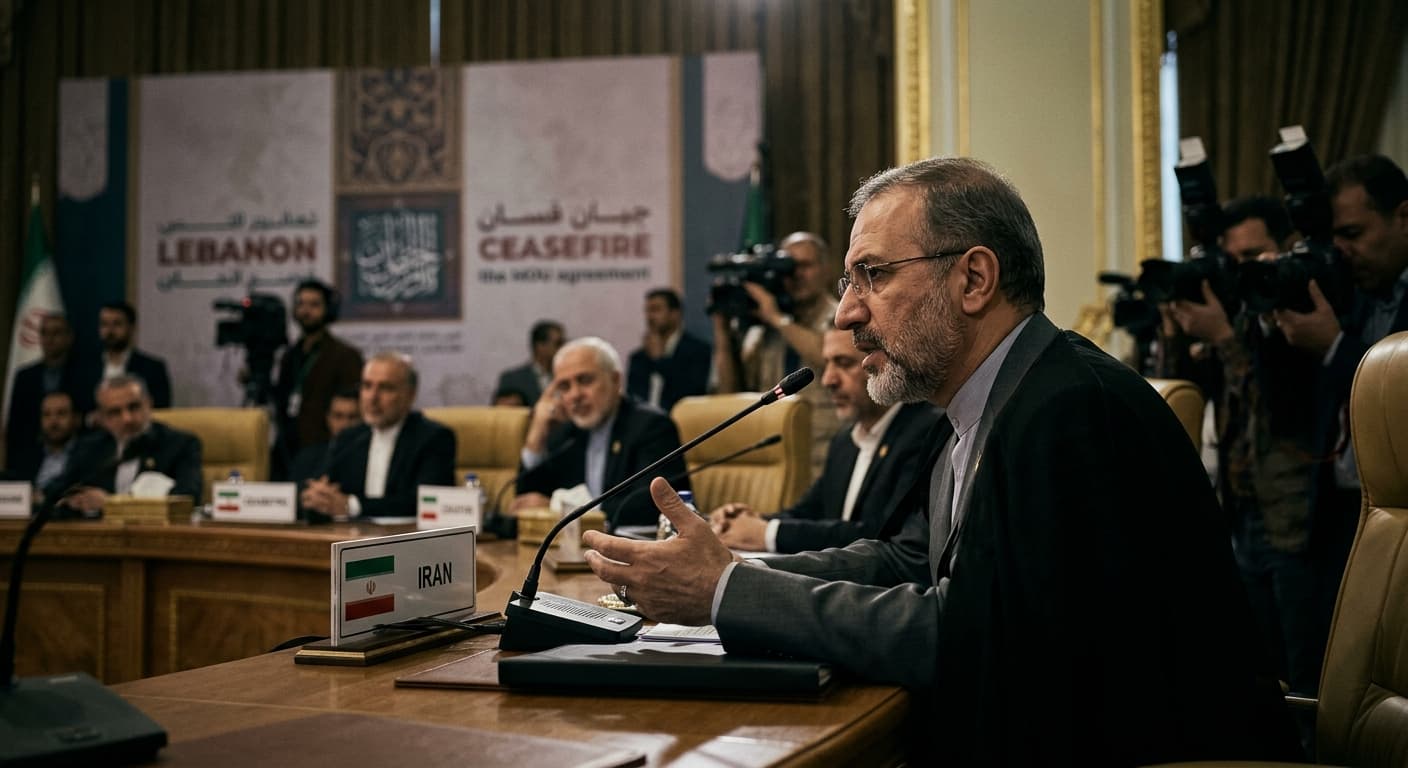
Iran Demands US Enforce Ceasefire
Iran insists the US must enforce a ceasefire in Lebanon to uphold the MoU.