Suozzi Targets Trump’s Anti-Weaponization Fund
Tom Suozzi is trying to block a new Trump-era compensation fund before it can pay out to January 6 rioters, turning a legal fight into a test of presidential control.
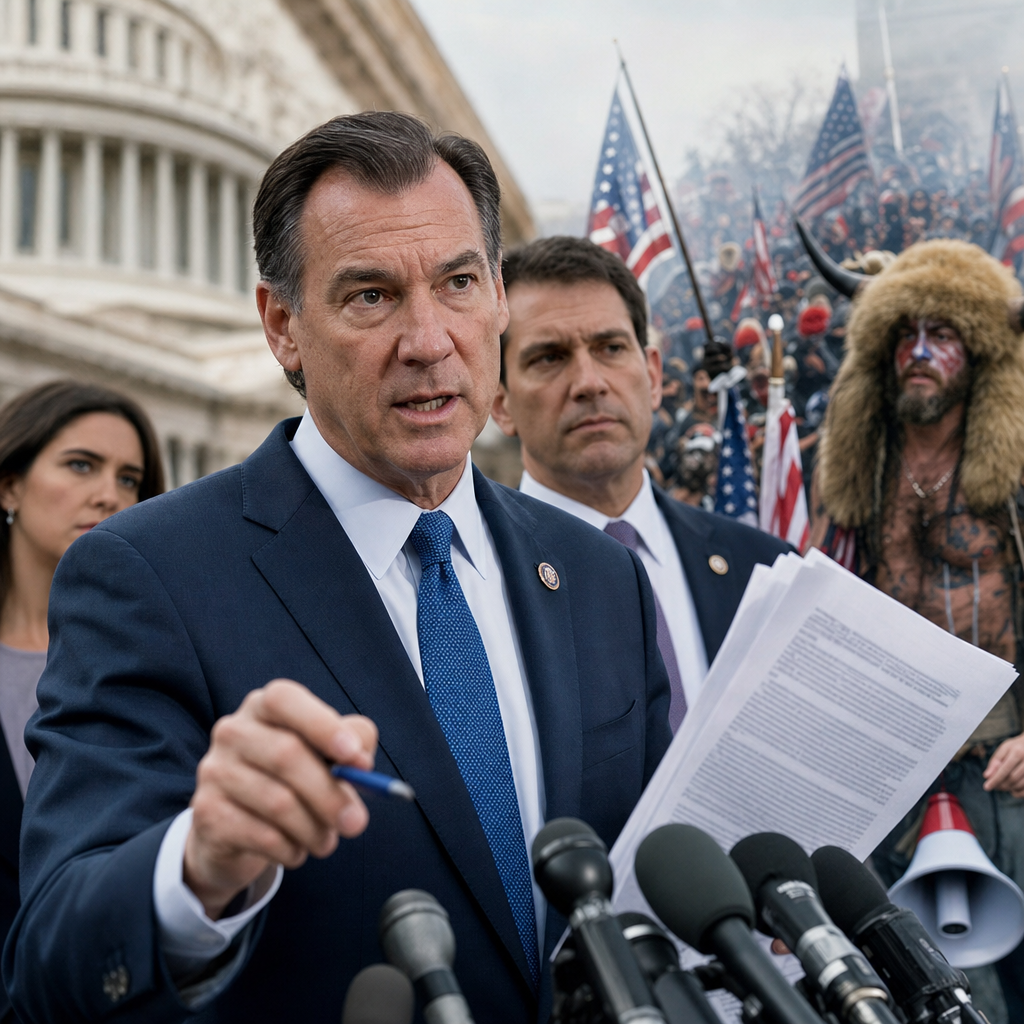
Rep. Tom Suozzi is moving against what the Trump administration calls an “anti-weaponization” fund, arguing the money could end up helping people who attacked police on January 6 and that “our country’s at stake,” according to CNN’s May 21 interview with the New York Democrat ( CNN Politics). The fight is not just about payouts. It is about who gets to define political persecution — Trump and his Justice Department, or Congress and the courts.
The leverage sits with the White House
Trump’s team has already done the key thing: it created the structure first. CNN reported that acting Attorney General Todd Blanche defended the fund as a way to compensate people who were “victims of lawfare and weaponization,” and said applications would be reviewed by a commission whose members are picked by the attorney general and can be fired by the president (CNN Politics,  CNN Politics). That means the administration holds the operational advantage: it controls the gatekeepers, the criteria and the pace.
Blanche also said January 6 rioters’ conduct would be one factor in claim review, but he stopped short of ruling out payouts to people who assaulted police (CNN Politics). That ambiguity is politically useful for Trump. It lets the White House keep the fund broad enough to serve his allies, while claiming it will be administered responsibly. For Democrats, that is exactly the problem: once the fund exists, the administration can shape its use from inside.
Why Suozzi’s attack matters
Suozzi’s move matters because it shows Democrats have shifted from outrage to institutional counterattack. They are not just criticizing the politics of the fund; they are trying to shut off the money before it becomes a precedent. The warning sign is the lawsuit already filed by two Capitol Police officers who defended the building on January 6. The officers are trying to block payouts from the $1.776 billion settlement fund, including to rioters who claim they were victims of politically motivated prosecution ( The Washington Post/AP).
That legal challenge is important because it gives opponents a venue other than Congress. Suozzi can amplify the issue politically, but litigation is where the immediate test will come. If the courts let the fund stand, Trump gains a mechanism to reward loyalists through the machinery of government while calling it compensation. If the challenge gains traction, Democrats get an early check on what they see as a broader project: recasting prosecutions of Trump allies as state abuse rather than accountability.
What to watch next
The next decision point is whether additional members of Congress join Suozzi and whether any court moves to freeze the fund before the commission is appointed. CNN reported that none of the five commissioners had been chosen as of Tuesday, which means the structure is still fluid and vulnerable to outside pressure (CNN Politics). Watch for the first names Trump puts on that panel, and for any new legal filings from January 6 officers or watchdog groups. That will tell you whether this becomes a messaging fight or a real constraint on the White House.
For broader U.S. political dynamics, see  United States and US Politics.