Byron Allen Turns Colbert’s Slot Into a Cost Play
CBS is betting that cheaper, apolitical comedy can hold late-night viewers while Byron Allen uses Colbert’s empty chair to build a lower-risk business.
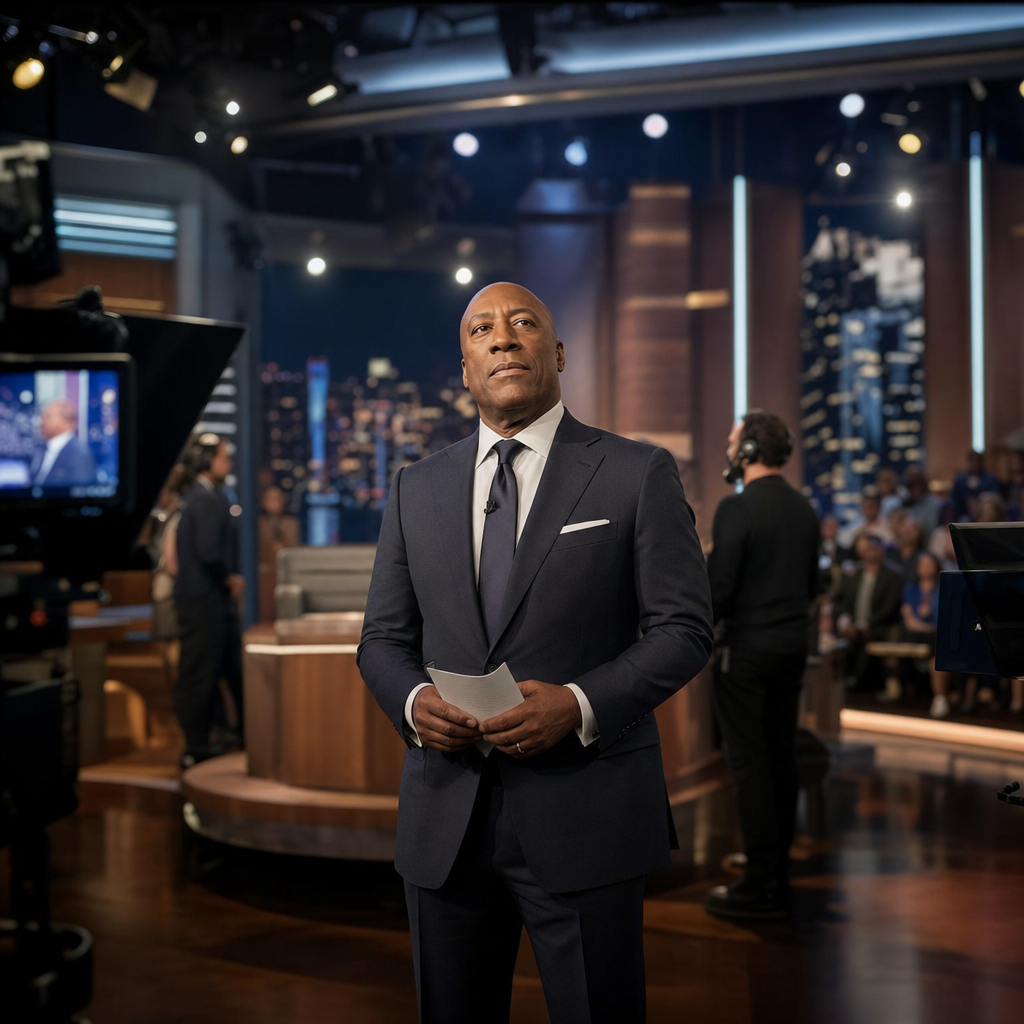
CBS is handing its most visible late-night real estate to Byron Allen’s “Comics Unleashed” and Allen is already defining the lane: no politics, no topical monologues, no Colbert-style combat  CNN. That is the power shift here. CBS gets a cheaper, outsourced hour; Allen gets a national platform at 11:35 p.m.; Stephen Colbert’s staff and brand of politically aggressive late night lose the slot that made them relevant.
CBS is buying down risk, not just changing tone
Allen’s pitch is not merely cultural. It is financial. CBS said in April that “Comics Unleashed with Byron Allen” would replace The Late Show beginning May 22, with two half-hour episodes nightly followed by Funny You Should Ask  CNN. Because it is a time-buy arrangement, Allen pays to use the hour and sells the ad inventory himself. That structure matters: CBS avoids the fixed costs of a major network talk show and shifts production and marketing risk onto Allen.
That is why Allen’s “no politics” line is more than a creative choice. It is a promise to advertisers and affiliates that the show will be repeatable, low-drama, and easy to clear in syndication. As Allen told CNN, “No. No politics. That’s it. You come, you laugh” CNN. In a late-night market where ad dollars are under pressure and streaming has splintered audiences, that predictability is the product.
Colbert’s exit leaves a political void
The strategic problem for CBS is that Colbert’s audience was not just tuning in for jokes; it was tuning in for political identity. Colbert spent years turning The Late Show into a nightly destination for viewers who wanted a sharp anti-Trump counterpoint. When CBS canceled the franchise last July, Paramount called it a “purely financial decision” amid a difficult late-night market  USA Today. But the timing — after Colbert’s criticism of CBS parent Paramount and during merger pressure around Skydance — ensured the move would be read through a political lens CNN.
Allen is not trying to inherit that audience on its own terms. He is trying to keep it on the dial while stripping out the ingredient that defined the slot for a decade. That may work for casual viewers, especially if they want something lighter after a long news cycle. It is less clear it works for the late-night viewers who made Colbert a partisan ritual. For  United States politics, this is another sign that broadcast institutions are retreating from costly, opinionated programming toward cheaper, flatter content.
What to watch next
The first test is May 22, when CBS launches Allen’s version of the hour the day after Colbert’s final show CNN. Watch three things: whether Allen can hold Colbert’s audience, whether advertisers buy the “evergreen comedy” pitch, and whether CBS treats this as a permanent reset or a placeholder while it waits for a better answer.
If the ratings are stable, CBS will have proved a wider point about US politics: the network no longer needs late night to shape the national conversation. If they fall, Colbert’s old slot will look less like a business solution and more like an admission that broadcast television has lost the power to replace a political brand with a neutral one.