Sudan's Peace Framework
Exploring Sudan's new peace plan amid ongoing conflict and crisis
Model Diplomat3 min readSudan

Sudan’s Peace Framework: A Fragile Roadmap Out of War and Crisis
Sudan’s Prime Minister unveils a peace framework focusing on ceasefire, displaced return, and justice — a roadmap amid deep conflict and humanitarian collapse.
On April 17, 2026, Sudan’s Prime Minister publicly presented the Hope Government’s peace framework as the essential strategy for ending months of brutal warfare and humanitarian catastrophe. The plan centers on a comprehensive ceasefire monitored by international and regional actors, secure and organized returns of displaced people supported with humanitarian aid, and a transitional justice process aimed at addressing the conflict’s deep wounds. While ambitious, this roadmap faces steep hurdles—political fragmentation, stalled peace talks, and a fractured international response.
Why Sudan’s Peace Framework Matters
Sudan has been mired in conflict since late 2025, when clashes between the military and paramilitary groups erupted across multiple regions, notably Darfur and Khartoum. The war has uprooted over two million people and caused wide-scale civilian suffering amid shortages of food, medicine, and shelter. The humanitarian crisis is so severe that the UN characterizes it as one of the most dire globally in 2026.
The Prime Minister’s appeal, published by Al Jazeera, lays out a multipronged blueprint: end active hostilities, restore rights and security to displaced citizens, and institute transitional justice mechanisms to hold perpetrators accountable and foster reconciliation. This reflects lessons from Sudan’s own tumultuous past, including the Darfur conflict and the South Sudan independence struggle, where half-measures on peace processes prolonged instability.
The insistence on international and regional oversight is crucial. Neighboring states like Egypt, Ethiopia, and regional blocs such as the African Union and Arab League have vested interests and roles in stabilizing Sudan. Their involvement can lend legitimacy and enforcement capabilities to the ceasefire, which historically has faltered under purely internal arrangements.
Moreover, the plan’s emphasis on displaced populations addresses a painfully neglected issue. Camp conditions deteriorate, and spontaneous returns without security guarantees risk renewed violence. Coordinated humanitarian aid and protection efforts are vital to preventing further cycles of displacement and suffering.
Transitional justice is the thorniest but also the most critical element. Sudan’s history shows the perils of impunity in conflict zones, from genocidal campaigns in Darfur to military coups. The proposed mechanisms could include truth commissions, trials for war crimes, and reparations—all politically sensitive and demanding sustained commitment from Sudan’s fractured leadership.
What to Watch Next
Implementation will test the Hope Government’s capacity and willingness to navigate Sudan’s complex political landscape. Key to success will be securing cooperation or at least non-interference from powerful military factions still engaging in conflict. If they reject the framework, ceasefire enforcement risks collapse.
International players have a pivotal role. Coordinated backing by the United Nations, the African Union, and influential countries—the United States, Egypt, and Gulf states—can pressure armed groups towards negotiation and provide needed resources. Conversely, fragmented or half-hearted support will undercut these efforts.
The humanitarian situation demands urgent attention. Even as peace talks progress, immediate aid delivery to camps and conflict-affected populations will signal goodwill and build momentum. Failure to halt civilian suffering will erode public trust and empower spoilers.
Lastly, the treatment of justice and reconciliation will shape Sudan’s long-term stability. A transparent, inclusive transitional justice process could defuse ethnic and political grievances embedded in this multi-layered conflict. Ignoring accountability risks perpetuating cycles of violence.
Sudan’s Prime Minister’s peace framework is a carefully constructed but delicate path out of a devastating conflict. Whether it can move beyond paper into peace depends on political will domestically and robust, unified international engagement.
For more on the complexities Sudan faces, see our Sudan country profile and broader
Global Politics context.
Discover more

Global Politics
Day 47 of US-Iran Conflict
On day 47 of the US-Iran conflict, Red Cross aid reaches Iran as military strikes continue, underscoring a tangled humanitarian and geopolitical crisis.
US Politics
Escalating Violence
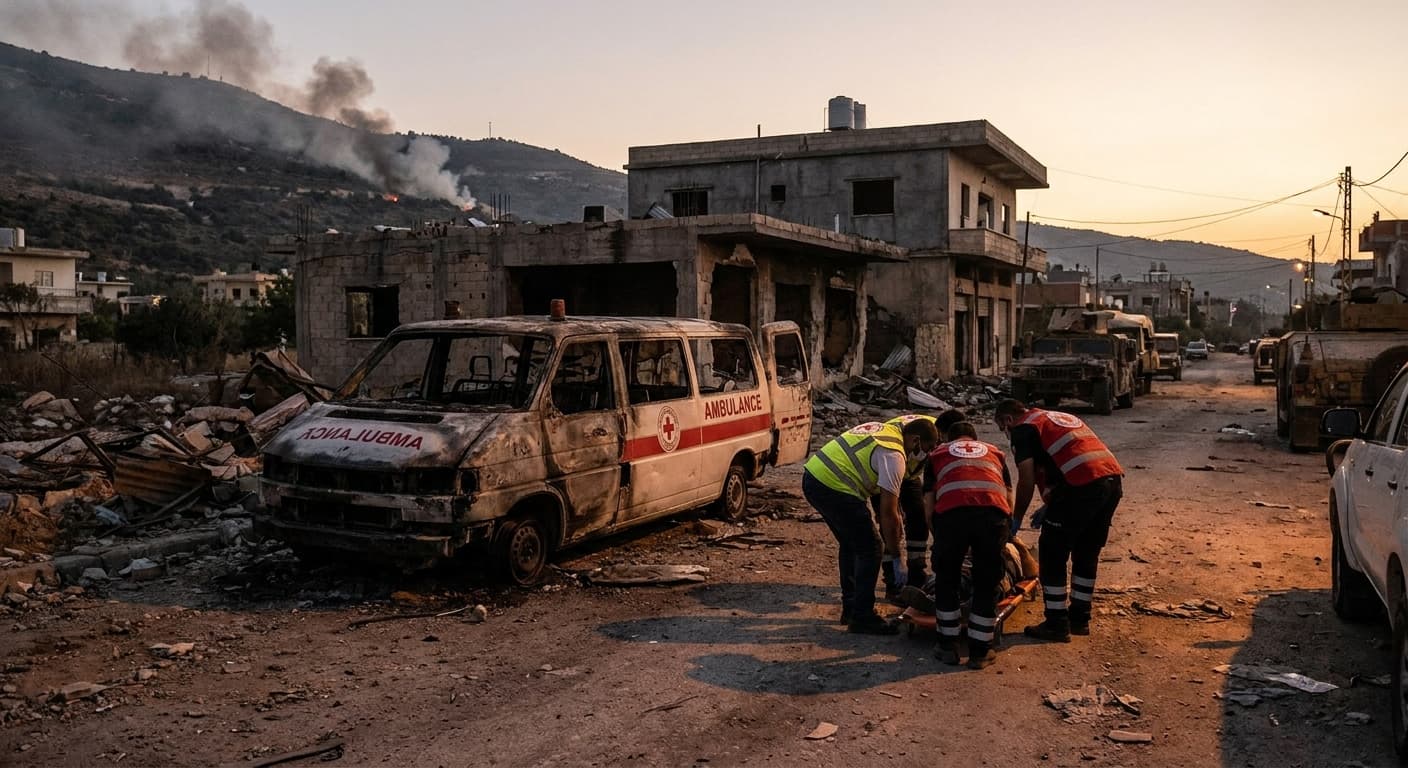
Three paramedic teams in southern Lebanon were struck by Israeli attacks, escalating violence and deepening the humanitarian crisis amid the ongoing conflict.

Conflict & Security
Drone Warfare Killing Aid Workers at Unprec
Over 1,000 humanitarian workers killed in three years as cheap armed drones collapse legal protections. Gaza, Sudan, Ukraine, and DRC see deliberate targeting of aid convoys and hospitals with zero prosecutions.

Global
World Normalises Taliban as Afghan Women Eras
UN data shows Afghan women erased from public life as Russia recognises the Taliban, EU hosts officials in Brussels, and ICC warrants for gender persecution go unenforced.