Sudan's Ongoing War
Exploring the deepening crisis in Sudan amid diplomatic efforts.
Model Diplomat3 min readAfrica

Sudan’s Three-Year War Deepens Humanitarian Crisis Amid Regional Diplomatic Moves
Sudan’s bitter civil conflict enters its fourth year, displacing 14 million people and destabilizing the region as Saudi-U.S.-Iran diplomacy unfolds nearby.
Sudan’s war, sparked by a 2023 power struggle between the Sudanese Armed Forces (SAF) under General Abdel Fattah al-Burhan and the paramilitary Rapid Support Forces (RSF) led by General Mohamed Hamdan Dagalo (Hemedti), remains deadlocked and devastating. After nearly three years of fighting, the country is fractured: the SAF controls the east and central zones including Khartoum, while the RSF holds Darfur and parts of the west, now governing there in a de facto parallel state. Repeated ceasefire efforts by international mediators have foundered, leaving civilians caught in escalating violence and humanitarian collapse.After three years of war, what is the situation like in Sudan?
Humanitarian Fallout and Military Dynamics
The human toll is catastrophic. About 14 million Sudanese—over a quarter of the population—have been displaced internally or across borders, mainly to Chad, South Sudan, and Egypt. The conflict has claimed at least 40,000 lives, with widespread reports of civilian abuses, including sexual violence and attacks on healthcare facilities. The war has devastated Sudan’s healthcare system and aggravated food insecurity, creating famine-like conditions in hotspots. Notably, drone strikes—used increasingly since 2024—have become a major cause of civilian casualties, particularly in Darfur, where organizations like Doctors Without Borders report dozens of deaths and injuries weekly.Drone attacks in Sudan kill two, injure 56, MSF says
The conflict’s military geography underscores a political stalemate: SAF’s grip on Khartoum and eastern Sudan versus RSF’s entrenched control in Darfur. The latter’s parallel administration marks a dangerous fragmentation of national authority, further complicating peace prospects. Complicating this are external actors allegedly supplying arms or funds to either side—especially the UAE's rumored backing of RSF—further entrenching divisions.Explainer: Why is Sudan at war, and what is the impact?
Why This Matters: Regional Stability and Diplomatic Ripples
Sudan’s destabilization has ripple effects beyond its borders at a time when the Middle East and neighboring South Asia are fraught with tense diplomacy. The Quad—a grouping of Saudi Arabia, the U.S., Egypt, and the UAE—has attempted to broker peace but with limited success, reflecting both competing regional interests and difficulties managing proxy involvement. Meanwhile, Pakistan, the U.S., Iran, and Saudi Arabia are also engaged in separate but overlapping diplomatic efforts, highlighting the complex web of alliances and rivalries shaping Middle Eastern and South Asian geopolitics today.
Sudan’s ongoing crisis is a stark reminder that localized conflicts can rapidly become regional flashpoints. The failed ceasefire attempts despite sustained international pressure show how entrenched interests and fragmented power centers complicate peace efforts. For regional heavyweights like Saudi Arabia and the U.S., the Sudan war is both a humanitarian crisis and a test of diplomatic influence in Africa and the Middle East.
What to Watch
With no obvious end in sight, the next six months will be critical:
- Will the Quad or a new coalition manage to enforce a credible ceasefire or meaningful peace talks between SAF and RSF?
- Can humanitarian corridors be secured to alleviate the suffering of millions trapped in conflict zones?
- How will escalating drone warfare impact civilian safety and international humanitarian norms?
- Might Sudan serve as a bellwether for broader regional shifts involving Iran’s influence, Saudi ambitions, and Pakistan-U.S. alignments?
As this multi-dimensional crisis unfolds, Sudan remains a key fault line in both African and Middle Eastern geopolitics, with implications that ripple far from Khartoum’s embattled streets.
For a deeper dive into regional dynamics around Sudan and ongoing diplomacy, see our coverage on Global Politics and the
Middle East. For more on Sudan’s conflict history and current actors, see our
Sudan profile.
This analysis highlights the urgent need to connect humanitarian relief with political solutions in one of the most neglected crises of 2026.
Discover more
Global Politics
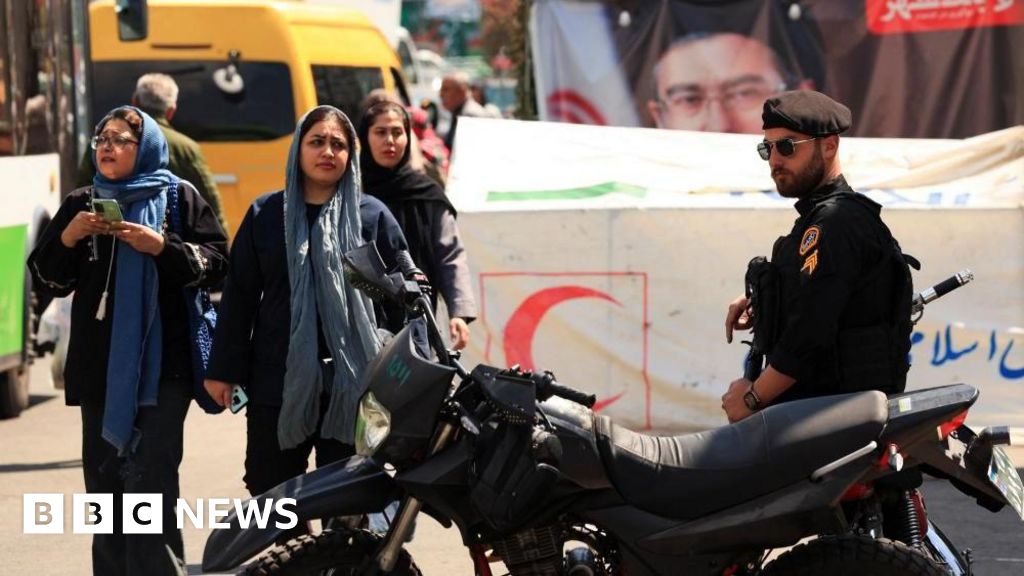
Iran's Fragile Ceasefire
With Iran's ceasefire nearing its end, uncertainty mounts over stalled US-Iran negotiations and the fragile prospects for lasting Middle East stability ahead.
US Politics
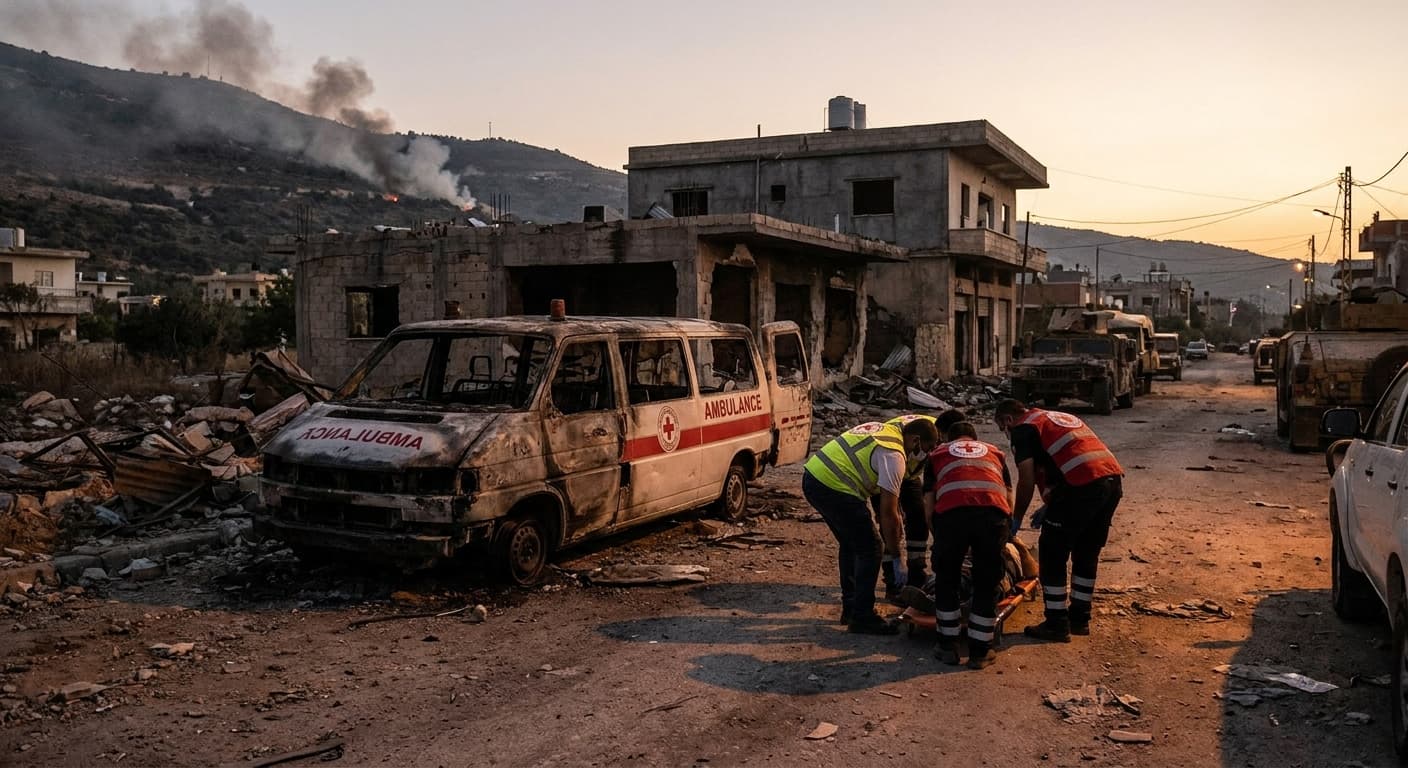
Escalating Violence
Three paramedic teams in southern Lebanon were struck by Israeli attacks, escalating violence and deepening the humanitarian crisis amid the ongoing conflict.

Global Politics
China's New Strategy for Taiwan and Japan
China softened its stance on Taiwan and Japan, eyeing the 2028 election and regional stability as Middle East turmoil reshapes its geopolitical calculations.

Conflict & Security
Drone Warfare Killing Aid Workers at Unprec
Over 1,000 humanitarian workers killed in three years as cheap armed drones collapse legal protections. Gaza, Sudan, Ukraine, and DRC see deliberate targeting of aid convoys and hospitals with zero prosecutions.