Iran's Fragile Ceasefire
Civilians fear renewed violence as US-Iran talks stall.
Model Diplomat3 min readMiddle East
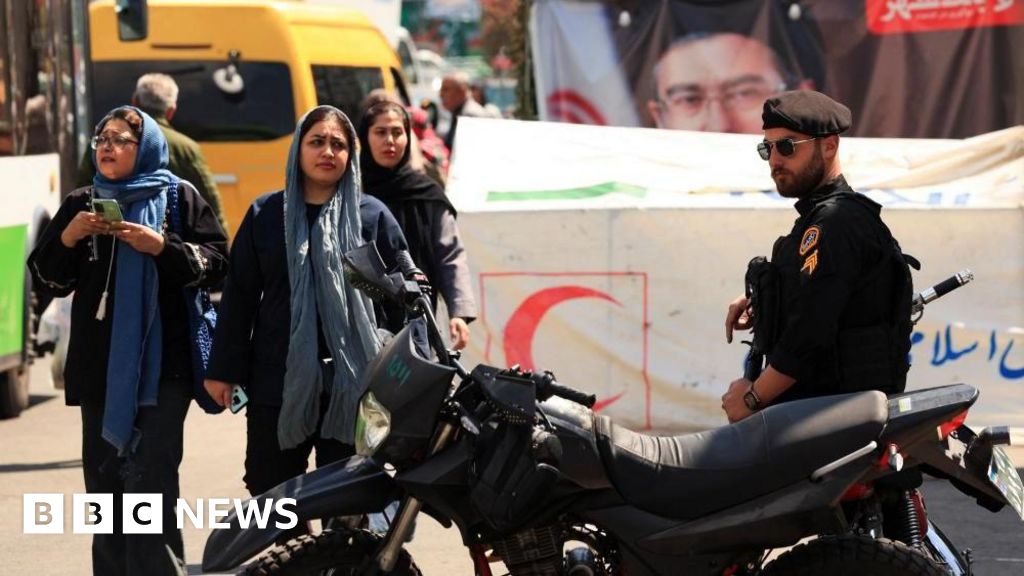
Under fragile ceasefire, Iranians wonder if US deal can be done
As a two-week ceasefire in northwestern Iran nears its end, civilians fear renewed violence amid stalling US-Iran talks and Israeli regional moves.
Iran is caught in a precarious moment. The fragile two-week ceasefire in its northwestern region—reportedly brokered amid broader regional tensions—has offered a tense pause but little relief for civilians. As the truce approaches expiration, uncertainty reigns over whether a longer-lasting peace or a revived nuclear deal with the United States will emerge from the diplomatic fog.
A fragile pause amid escalating regional tensions
The ceasefire that began roughly two weeks ago provides temporary relief from what residents describe as relentless strikes destabilizing daily life. Iran’s northwest, home to a mix of ethnic Kurdish and Azeri populations, has suffered spillover from broader regional conflicts involving Iran, Israel, and proxies. Civilians remain wary, fearing the truce could unravel quickly, bringing renewed military action and deepening economic hardship.
This fragile calm is part of a complex web of conflicts centered around US-Iran relations. After the US withdrew from the 2015 Joint Comprehensive Plan of Action (JCPOA) under the Trump administration, tensions soared, with Iran expanding its nuclear activities and regional influence through militias. The Biden administration has sought to revive the JCPOA, but talks have repeatedly stalled over issues such as sanctions relief, uranium enrichment limits, and ballistic missile programs.
The ceasefire in Iran’s northwest represents a microcosm of larger geopolitical currents. Israeli strikes in the region have intensified recently, aiming to curb Iran’s support for proxies in Lebanon, Syria, and Gaza, but at the cost of inflaming tensions on multiple fronts. Iran’s own responses—whether military or diplomatic—are closely watched as indicators of broader shifts.
Why this matters: a test of diplomacy and regional stability
Iran’s internal mood is one of cautious pessimism. Civilians’ fears about the truce expiring without a diplomatic breakthrough spotlight a key dilemma: can the US and Iran find common ground amid domestic politics hardened by years of conflict and distrust?
A stalled or failed US-Iran deal risks cascading consequences. Economic sanctions restricting Iran’s oil exports and financial transactions have crippled its economy, fueling public discontent and arms expenditures. Renewed hostilities would deepen instability in a region already roiled by proxy wars and fuel global uncertainty around energy markets and security.
For Washington, the calculus is delicate. Re-entering the deal means navigating domestic US political opposition while trying to avoid emboldening Iran’s regional proxies. For Tehran, any deal must balance opening up its economy without compromising what it calls its sovereign defense programs.
The current ceasefire reflects an uneasy balance—an unsteady truce caught between the potential for diplomatic thaw and the risk of military escalation.
What to watch next
The ceasefire's scheduled expiration is just days away. Watch for either its extension or collapse, which will signal whether diplomatic channels are holding or pressure is building for military action.
Parallelly, follow the US-Iran JCPOA talks for signs of progress or breakdown. Terms that address sanctions relief, uranium limits, and regional security are the key sticking points.
Also, monitor Israeli military activity and Iran’s proxy responses, which could either provoke or deter new escalations.
This moment mirrors past fragile pauses in Middle East crises—where diplomacy’s slim thread holds key to preventing wider conflict. Success or failure will shape the region’s strategic trajectory and, by extension, global geopolitical stability.
For further context on Iran and regional dynamics, see our profiles on Iran and
Global Politics.
Source: BBC - Under fragile ceasefire, Iranians wonder if US deal can be done
Discover more

Global Politics
Lebanon Ceasefire Amid US Blockade on Iran
Israel and Lebanon entered a 10-day ceasefire as a U.S. naval blockade on Iran took hold, sharply escalating tensions across an already volatile Middle East.
Global Politics
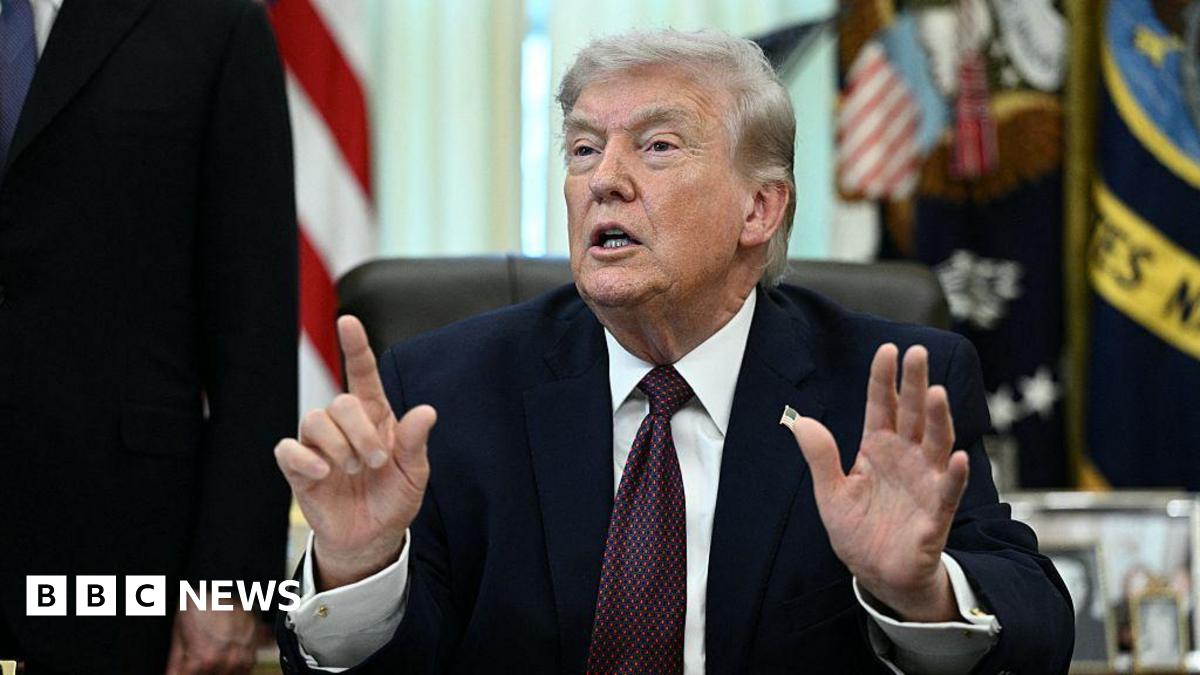
Trump's Bold Move
Trump announced a U.S. exit from Iran with or without a deal, a bold move that heightens tensions across the Middle East and risks serious diplomatic fallout.
Global Politics
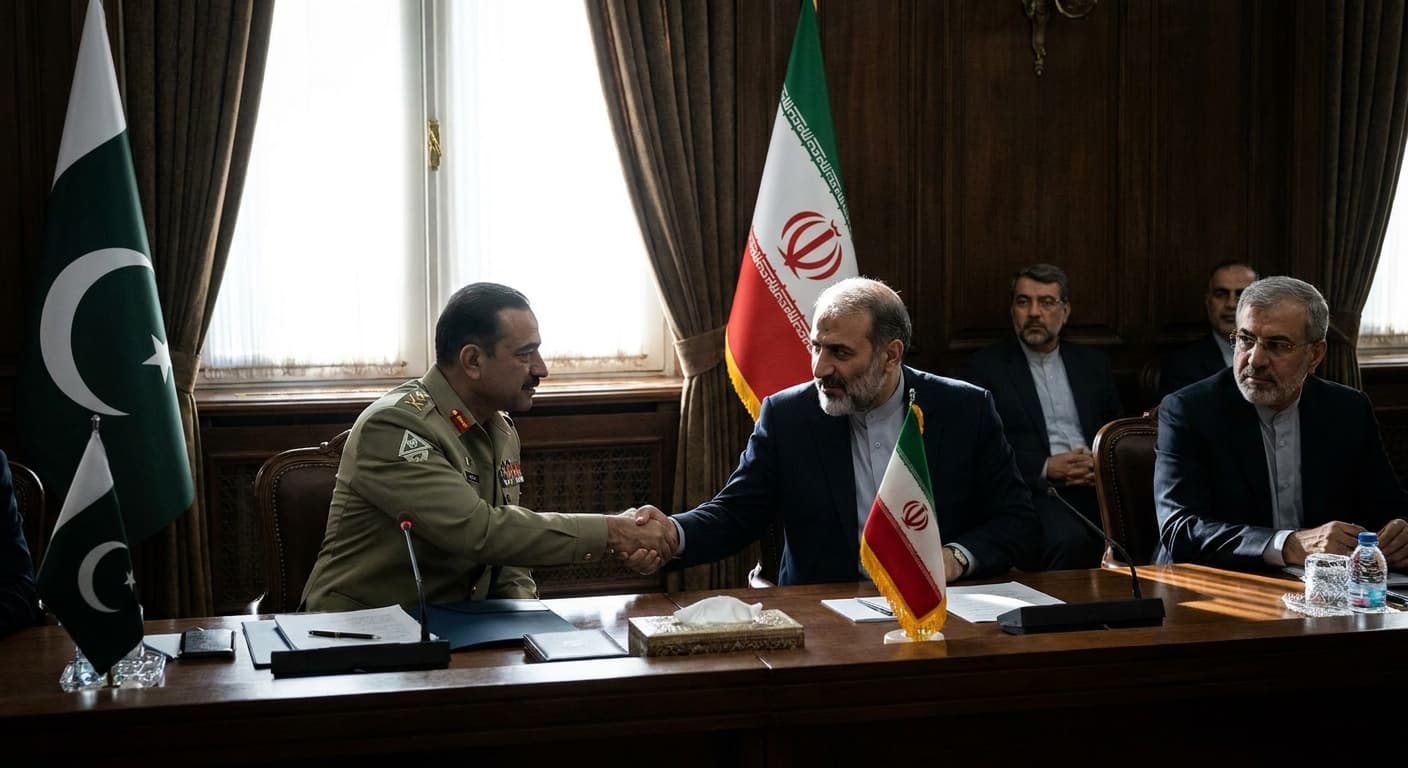
Pakistan Army Chief's Iran Visit Amid Tension
Pakistan army chief General Asim Munir visits Tehran to mediate Middle East tensions and help restart stalled US-Iran negotiations amid rising regional risk.

Economics
Fed's Amex AML order puts correspondent banking on notice
Federal Reserve's Amex AML order requires board-level controls and a 90-day plan; OCC fined the bank $350 million over enterprise-wide deficiencies.