Stellantis Partners to Navigate EU Auto Press
Stellantis shifts strategy to focus on partnerships for growth.
Model Diplomat2 min readEurope

Stellantis Bets on Partners as EU Auto Pressure Mounts
Antonio Filosa is recasting Stellantis around alliances, using Chinese, Indian and tech partners to cut costs, fill idle plants and move faster.
Stellantis is abandoning the lone-wolf model. In a Reuters analysis published Tuesday, the carmaker said its new strategy under CEO Antonio Filosa leans on partnerships to accelerate product development, monetize excess factory capacity and launch 60 new models by 2030, rather than trying to build everything in-house (Reuters). That is a direct break from the Carlos Tavares era, which relied more on internal execution and cost cutting (
Reuters).
The leverage sits with the partner that brings capacity
Stellantis has a capacity problem, and it is turning that weakness into bargaining power. Reuters said the group is only partly using its European plants and wants to turn underused sites into contract-manufacturing platforms for outside brands, including Chinese automakers and Tata Motors’ Jaguar Land Rover unit in the United States (Reuters). The Wall Street Journal reported that Stellantis is deepening that logic through its Leapmotor tie-up, with Chinese models potentially built in Spanish plants, while a separate Dongfeng venture could put vehicles in a Stellantis factory in France (
WSJ).
That matters beyond carmaking. In Global Politics, the same forces now shaping supply chains are also shaping industrial diplomacy: tariffs, local-content rules and geopolitical risk are pushing firms toward local production, even when the partner is a competitor. Stellantis is not just selling cars; it is arbitraging political constraints. Leapmotor gets a route around EU tariff pressure, while Stellantis gets a way to keep factories busy and fixed costs down (
WSJ).
Who gains, who loses
The immediate winners are the partners with something Stellantis needs. Leapmotor gains access to Europe. Dongfeng gets a foothold in a Western industrial base. Tech suppliers such as Qualcomm, Applied Intuition and Wayve gain a larger role in the carmaker’s next-generation software and autonomy stack, Reuters reported (Reuters).
The losers are the old assumptions that scale alone creates advantage. Stellantis’s own brands — Peugeot, Fiat, Jeep and Ram — will still get most investment, Reuters said, but Filosa is clearly betting that brand strength now depends on who you can work with, not just what you can build yourself (Reuters). That is also a warning shot to rival European automakers. Reuters noted Volkswagen was forced to reassure workers that it was not handing excess capacity to Chinese rivals, underscoring how exposed the sector is to Chinese competition and weak demand (
Reuters).
What to watch next
The next decision point is execution: whether Stellantis actually starts building Chinese-designed models in Europe, and whether regulators or unions push back. The relevant date is the 2030 horizon in Stellantis’s plan, but the market will judge much sooner — at the next plant allocation, the next tariff review and the next disclosure of where Leapmotor or Dongfeng vehicles are assembled (Reuters;
WSJ).
Discover more

India
India-South Korea $50B Trade Expansion Plan
India and South Korea target $50 billion in bilateral trade by 2030, focusing on industrial cooperation and strategic alignment amid US pressures.

Conflict & Security
Drone Warfare Killing Aid Workers at Unprec
Over 1,000 humanitarian workers killed in three years as cheap armed drones collapse legal protections. Gaza, Sudan, Ukraine, and DRC see deliberate targeting of aid convoys and hospitals with zero prosecutions.
Global
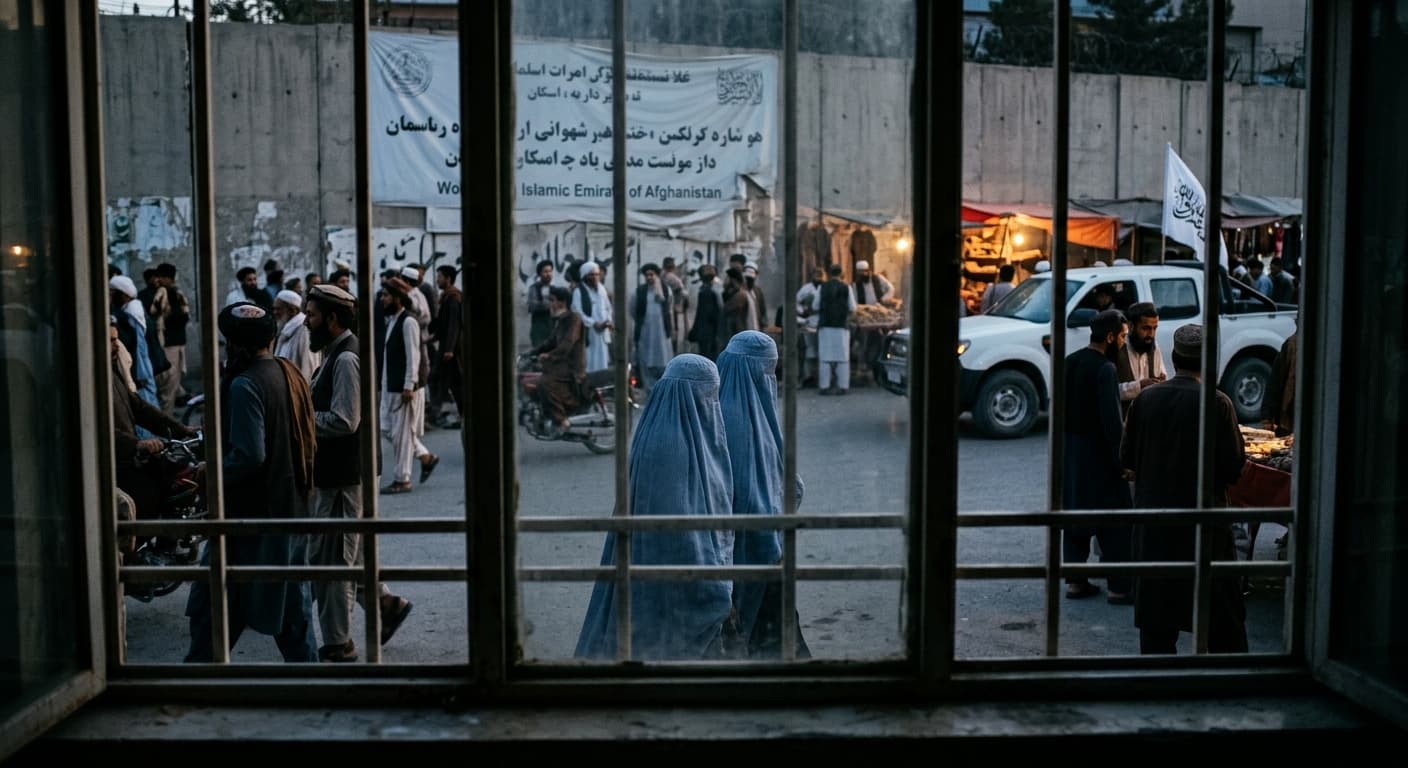
World Normalises Taliban as Afghan Women Eras
UN data shows Afghan women erased from public life as Russia recognises the Taliban, EU hosts officials in Brussels, and ICC warrants for gender persecution go unenforced.
Conflict & Security
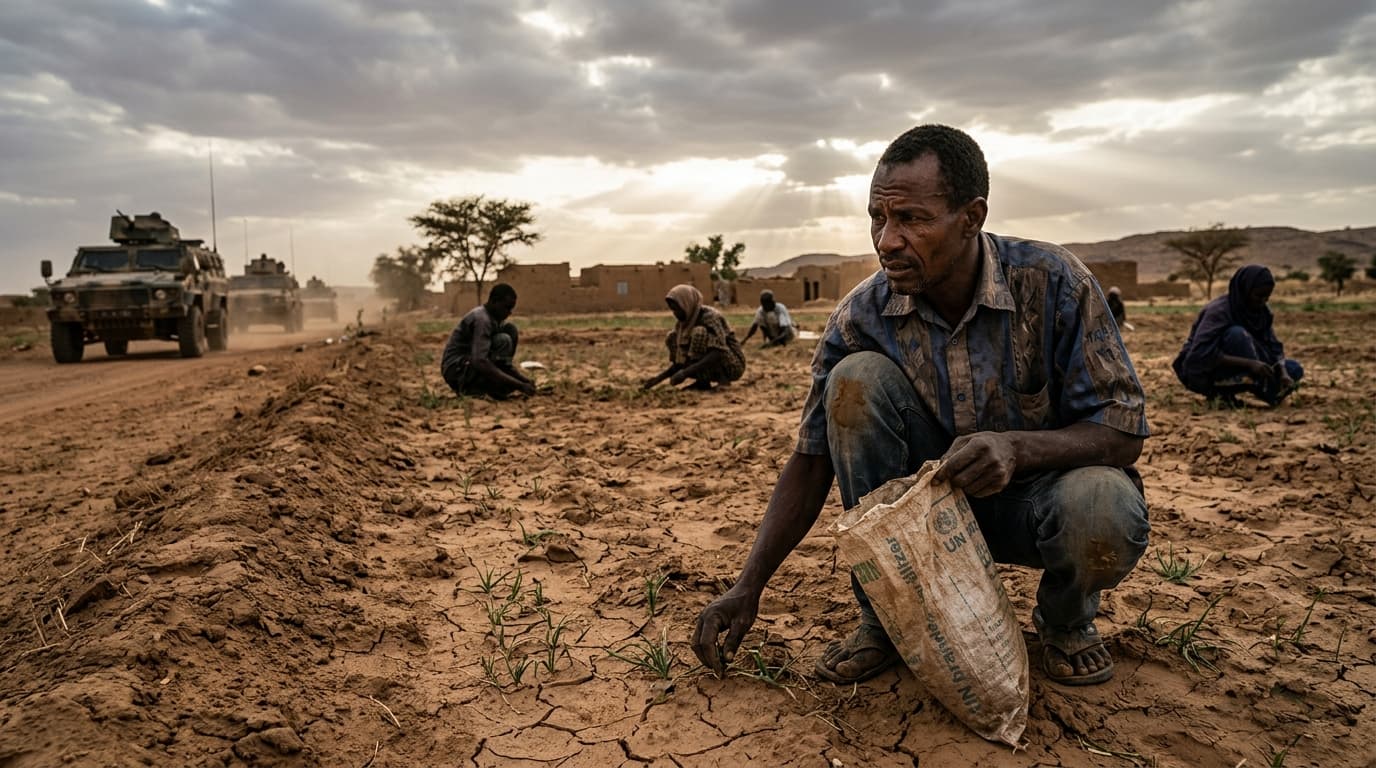
West Africa Food Crisis: Three Shocks in 2026
Conflict, climate extremes, and the Strait of Hormuz closure drive a severe food crisis in West and Central Africa, with fertilizer prices surging 80% and millions displaced.