Modi Should Not ‘Play With Fire’ Over Tamil Nadu Delimitation, Stalin Warns
Tamil Nadu Chief Minister M.K. Stalin sharply warns PM Modi and Union Minister Piyush Goyal over the proposed delimitation exercise, highlighting regional sensitivities ahead of elections.
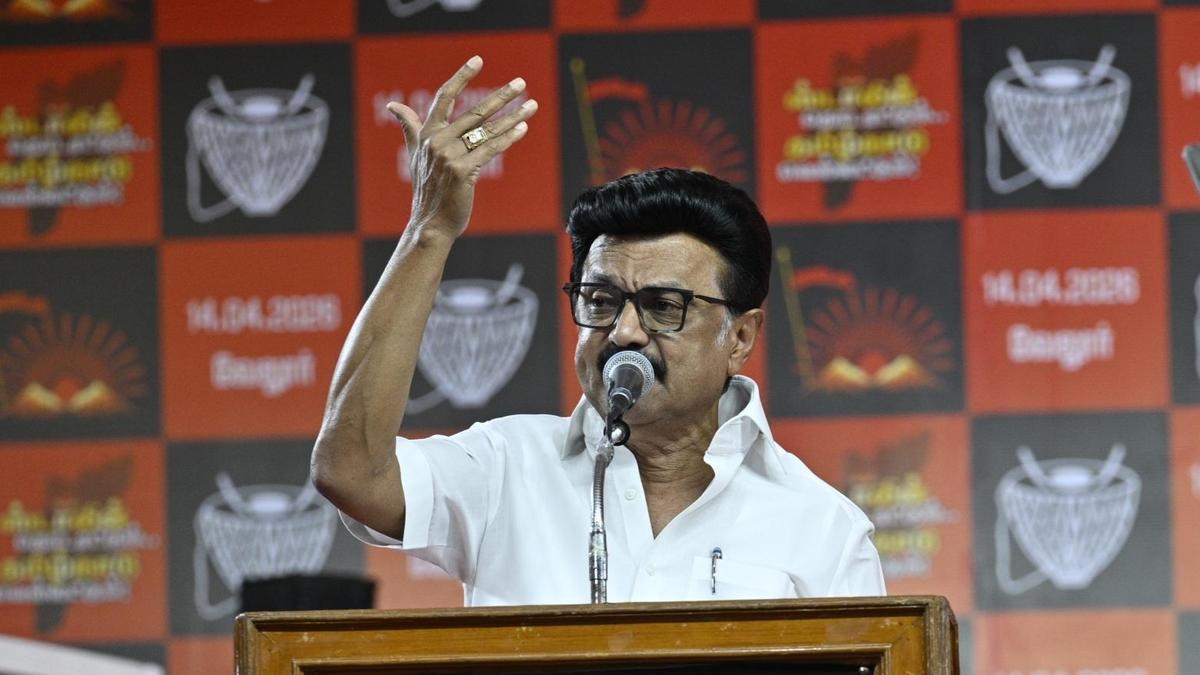
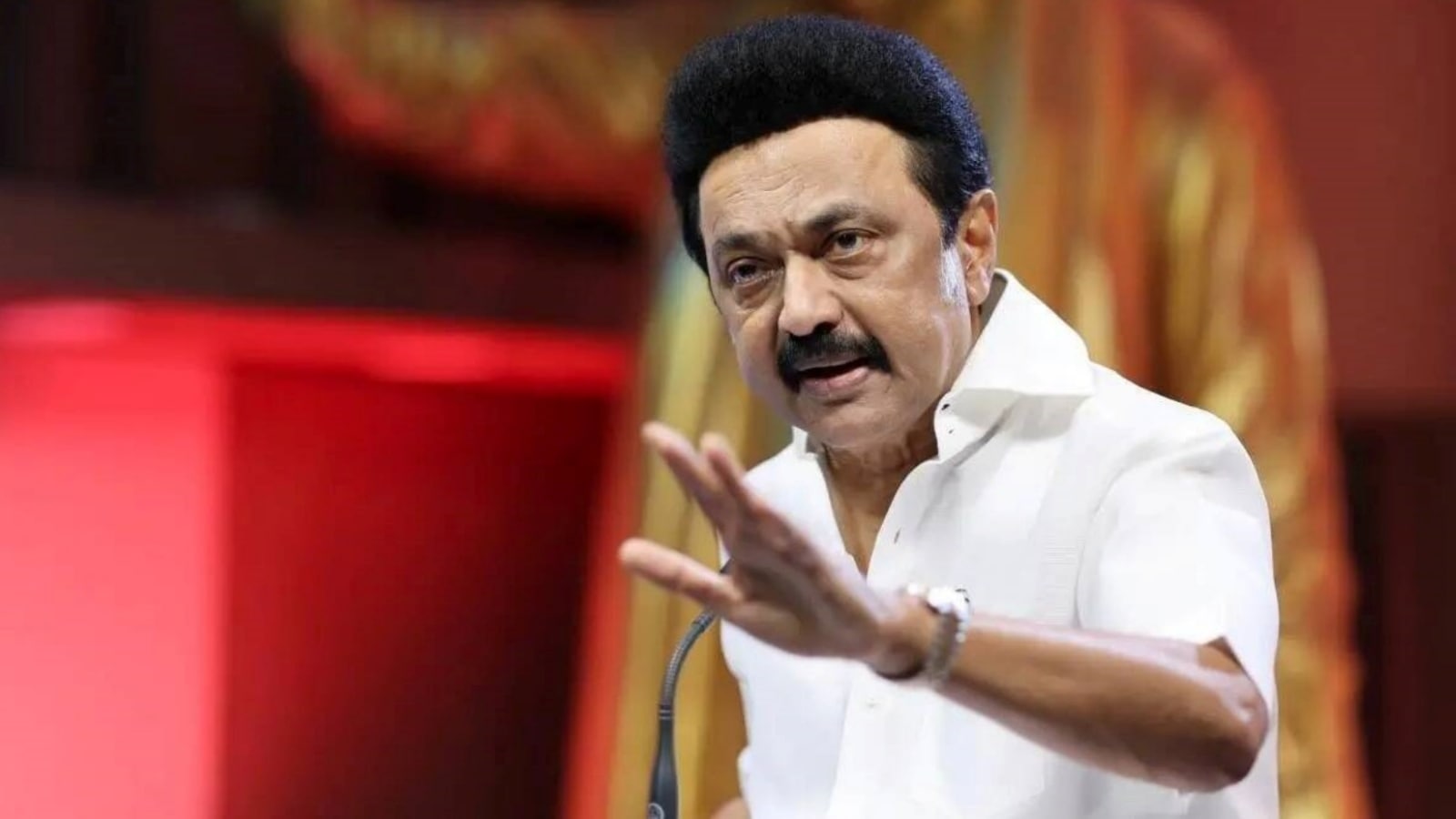
Tamil Nadu Chief Minister and DMK president M.K. Stalin delivered a direct warning to Prime Minister Narendra Modi, cautioning him not to “play with fire” regarding the contentious issue of delimitation in the state. Stalin’s remarks come in the shadow of rising political tension over the proposed redrawing of assembly constituencies — a process that can redraw political boundaries and significantly impact electoral fortunes. Stalin also took aim at Union Minister Piyush Goyal, warning him to “mind his tongue” when speaking about Tamil Nadu and its people, signaling growing impatience within the state’s ruling party over perceived interference from the Centre.
What’s Behind Tamil Nadu’s Delimitation Row?
Delimitation—the redrawing of electoral constituencies based on the latest census—is a routine yet politically explosive process. The last major delimitation in Tamil Nadu happened in 2008 based on the 2001 Census, and any shift affects the delicate electoral arithmetic among parties. The BJP-led central government’s proposal to revisit Tamil Nadu’s delimitation has sparked alarm in Dravidian party circles, notably DMK and AIADMK. They suspect the move could be designed to diminish Tamil Nadu’s political weight or alter constituency boundaries to favor BJP entry into a traditionally difficult region.
Stalin’s “playing with fire” warning suggests fears that the delimitation might be perceived as an encroachment on Tamil political autonomy or a strategic maneuver to weaken the Dravidian political stronghold. The DMK has long positioned itself as the defender of Tamil identity against Delhi’s encroachments, and this issue taps into those deeper regional and linguistic sentiments that have historically fueled Tamil nationalism.
Goyal’s remarks, perceived as insensitive or dismissive towards Tamil Nadu’s unique political culture, have only exacerbated tensions. Stalin’s rebuke not only underscores the seriousness with which the DMK views this episode but also serves as a reminder that Delhi’s handling of Tamil Nadu requires diplomatic finesse, not blunt force.
Why This Matters
Tamil Nadu is India’s fifth-largest state by population and holds substantial electoral clout with 39 Lok Sabha seats. Yet, the BJP has struggled to establish a foothold here, as regional parties dominate. The delimitation exercise could be a tool to reshape electoral boundaries in a way that disrupts entrenched patterns—benefiting the BJP or other allies.
Stalin’s tough stance can be read as a strategic signal ahead of the 2026 state assembly elections and the 2029 general elections. By publicly confronting the Centre, the DMK rallies regional pride and warns against what it sees as an overreach threatening federal balance. The episode also exposes the broader tussle between regional aspirations and the centralizing tendencies of Modi’s government.
This issue echoes past flashpoints where delimitation triggered political upheaval. For example, in Jammu & Kashmir and Uttar Pradesh, delimitation has been a precursor to significant electoral shifts. Tamil Nadu’s response suggests similar stakes are in play: a redrawing of lines is not just administrative but deeply political.
What to Watch Next
- Will the Centre proceed with delimitation despite state opposition, or seek a negotiated solution?
- How will other Tamil parties, especially AIADMK and emerging forces like the BJP’s state unit, position themselves around this issue?
- Could this dispute catalyze a broader resurgence of Tamil Nadu’s regional identity politics ahead of elections?
- Watch for any moves by Modi’s government to balance national integration aspirations with Tamil Nadu’s electoral sensitivities.
In a federal structure, delimitation is a powerful lever. For Modi’s government, handling Tamil Nadu delicately will be crucial to avoid alienating a vital southern state and its influential electorate.
For a deeper dive into Indian federal dynamics and Tamil Nadu politics, see our  India and Global Politics briefs.
 Modi should not play with 'fire', warns Stalin over delimitation issue